2 783 kr
Skickas inom 10-15 vardagar
2 783 kr
Skickas inom 10-15 vardagar
804 kr
Skickas inom 10-15 vardagar
3 514 kr
Skickas inom 3-6 vardagar
1 383 kr
Skickas inom 11-20 vardagar
The first half of the Twentieth Century was a vibrant period for U.S. theatre. As the United States emerged as a significant military, economic, political and cultural power, so its theatre began to distinguish itself from the prevailing European model. The plays and dramatic texts in this anthology demonstrate the vital and volatile relationship between U.S. theatre, its society, and the ways in which that theatre has both supported and challenged prevailing systems of thought and action.
This collection is organized around key thematic perspectives from colonialism to psychoanalysis, viewing the artistic output of this era through the socio-political events and controversies that shaped it. Each play is accompanied by a critical commentary from a leading scholar and a set of archive source materials, including playbills, production shots, reviews, essays, poems, newspaper articles and official documents. These supplements bring to life the rich and diverse theatre cultures that operated in the United States during this period and explore the essential ways that these cultural artifacts engaged with the national debates that surrounded them.
The plays themselves both support and challenge the existing canon of U.S. dramatic literature; a selection that speaks not only to aesthetic innovation, but also to the critical moments of political change and national definition that helped to shape the United States. From Miller, Williams and ONeill to Angelina Grimké, David Belasco and Mae West, this is the ideal collection for any course in U.S. theatre.
942 kr
Läs direkt efter köp
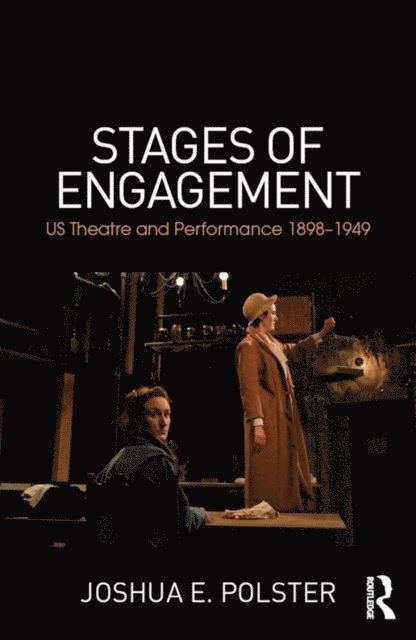
Stages of Engagement is a compelling and wonderfully varied account of the relationship between theatre in the United States and the social, cultural, and political forces that shaped it during one of the most formative periods in the nation’s history.
Joshua E. Polster applies key thematic perspectives – Colonialism, Religion, Race and Ethnicity, Gender and Sexuality, Economic Systems, and Systems of Government – to seminal moments in US history. In doing so he explores the ways in which the theatre has responded to these turning points, through the work of some of its principal dramatists, directors, designers, and theatre companies.
His approach tackles questions such as:
• How did the plays of this period reflect the nation’s concerns and anxieties?
• How did theatre, culture, and politics interconnect as the United States took to the world stage?
• Which critical viewpoints are most useful to us when examining these cultural phenomena?
• How did performances and productions attempt to influence their audiences'' social and civic engagement?
On its own, or in tandem with its companion volume The Routledge Anthology of US Drama 1898–1949, this is the ideal text for any course in US Theatre. By examining each cultural moment from a range of critical perspectives and drawing upon a diverse range of sources, it is designed specifically for today’s interdisciplinary and multicultural curriculum.
942 kr
Läs direkt efter köp
Stages of Engagement is a compelling and wonderfully varied account of the relationship between theatre in the United States and the social, cultural, and political forces that shaped it during one of the most formative periods in the nation’s history.
Joshua E. Polster applies key thematic perspectives – Colonialism, Religion, Race and Ethnicity, Gender and Sexuality, Economic Systems, and Systems of Government – to seminal moments in US history. In doing so he explores the ways in which the theatre has responded to these turning points, through the work of some of its principal dramatists, directors, designers, and theatre companies.
His approach tackles questions such as:
• How did the plays of this period reflect the nation’s concerns and anxieties?
• How did theatre, culture, and politics interconnect as the United States took to the world stage?
• Which critical viewpoints are most useful to us when examining these cultural phenomena?
• How did performances and productions attempt to influence their audiences'' social and civic engagement?
On its own, or in tandem with its companion volume The Routledge Anthology of US Drama 1898–1949, this is the ideal text for any course in US Theatre. By examining each cultural moment from a range of critical perspectives and drawing upon a diverse range of sources, it is designed specifically for today’s interdisciplinary and multicultural curriculum.
2 783 kr
Skickas inom 10-15 vardagar
804 kr
Skickas inom 10-15 vardagar
3 514 kr
Skickas inom 3-6 vardagar
1 383 kr
Skickas inom 11-20 vardagar
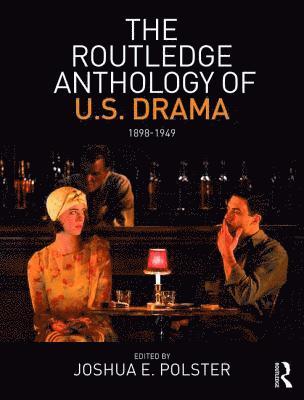
The first half of the Twentieth Century was a vibrant period for U.S. theatre. As the United States emerged as a significant military, economic, political and cultural power, so its theatre began to distinguish itself from the prevailing European model. The plays and dramatic texts in this anthology demonstrate the vital and volatile relationship between U.S. theatre, its society, and the ways in which that theatre has both supported and challenged prevailing systems of thought and action.
This collection is organized around key thematic perspectives from colonialism to psychoanalysis, viewing the artistic output of this era through the socio-political events and controversies that shaped it. Each play is accompanied by a critical commentary from a leading scholar and a set of archive source materials, including playbills, production shots, reviews, essays, poems, newspaper articles and official documents. These supplements bring to life the rich and diverse theatre cultures that operated in the United States during this period and explore the essential ways that these cultural artifacts engaged with the national debates that surrounded them.
The plays themselves both support and challenge the existing canon of U.S. dramatic literature; a selection that speaks not only to aesthetic innovation, but also to the critical moments of political change and national definition that helped to shape the United States. From Miller, Williams and ONeill to Angelina Grimké, David Belasco and Mae West, this is the ideal collection for any course in U.S. theatre.
942 kr
Läs direkt efter köp
Stages of Engagement is a compelling and wonderfully varied account of the relationship between theatre in the United States and the social, cultural, and political forces that shaped it during one of the most formative periods in the nation’s history.
Joshua E. Polster applies key thematic perspectives – Colonialism, Religion, Race and Ethnicity, Gender and Sexuality, Economic Systems, and Systems of Government – to seminal moments in US history. In doing so he explores the ways in which the theatre has responded to these turning points, through the work of some of its principal dramatists, directors, designers, and theatre companies.
His approach tackles questions such as:
• How did the plays of this period reflect the nation’s concerns and anxieties?
• How did theatre, culture, and politics interconnect as the United States took to the world stage?
• Which critical viewpoints are most useful to us when examining these cultural phenomena?
• How did performances and productions attempt to influence their audiences'' social and civic engagement?
On its own, or in tandem with its companion volume The Routledge Anthology of US Drama 1898–1949, this is the ideal text for any course in US Theatre. By examining each cultural moment from a range of critical perspectives and drawing upon a diverse range of sources, it is designed specifically for today’s interdisciplinary and multicultural curriculum.
942 kr
Läs direkt efter köp
Stages of Engagement is a compelling and wonderfully varied account of the relationship between theatre in the United States and the social, cultural, and political forces that shaped it during one of the most formative periods in the nation’s history.
Joshua E. Polster applies key thematic perspectives – Colonialism, Religion, Race and Ethnicity, Gender and Sexuality, Economic Systems, and Systems of Government – to seminal moments in US history. In doing so he explores the ways in which the theatre has responded to these turning points, through the work of some of its principal dramatists, directors, designers, and theatre companies.
His approach tackles questions such as:
• How did the plays of this period reflect the nation’s concerns and anxieties?
• How did theatre, culture, and politics interconnect as the United States took to the world stage?
• Which critical viewpoints are most useful to us when examining these cultural phenomena?
• How did performances and productions attempt to influence their audiences'' social and civic engagement?
On its own, or in tandem with its companion volume The Routledge Anthology of US Drama 1898–1949, this is the ideal text for any course in US Theatre. By examining each cultural moment from a range of critical perspectives and drawing upon a diverse range of sources, it is designed specifically for today’s interdisciplinary and multicultural curriculum.