Josip Glaurdic – författare
Visar alla böcker från författaren Josip Glaurdic. Handla med fri frakt och snabb leverans.
2 produkter
2 produkter
Inbunden, Engelska, 2011
1 236 kr
Skickas inom 5-8 vardagar
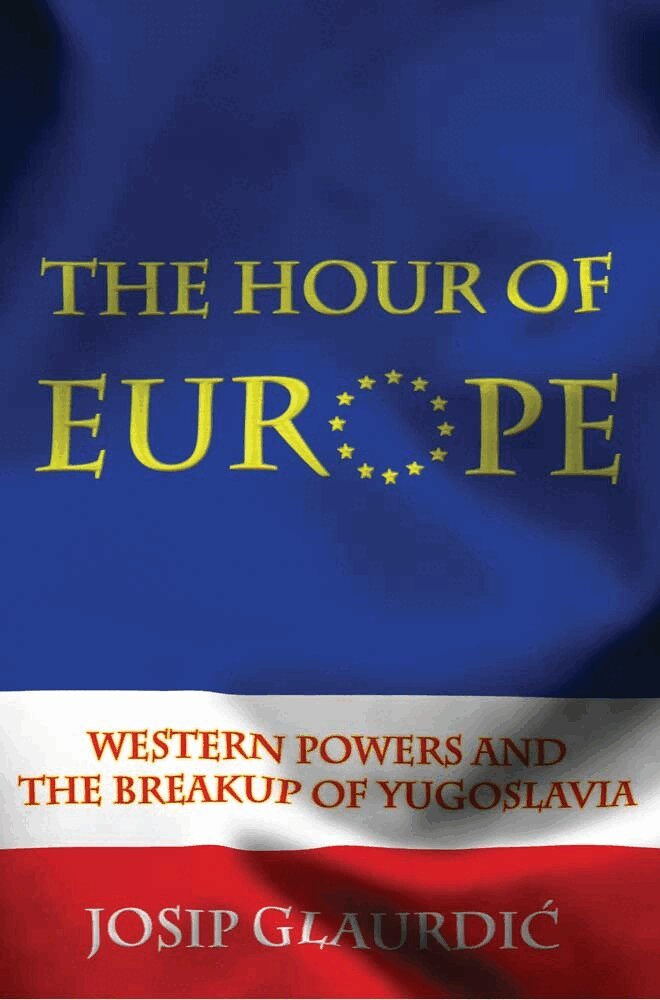
By looking through the prism of the West's involvement in the breakup of Yugoslavia, this book presents a new examination of the end of the Cold War in Europe. Incorporating declassified documents from the CIA, the administration of George H.W. Bush, and the British Foreign Office; evidence generated by The Hague Tribunal; and more than forty personal interviews with former diplomats and policy makers, Glaurdić exposes how the realist policies of the Western powers failed to prop up Yugoslavia's continuing existence as intended, and instead encouraged the Yugoslav Army and the Serbian regime of Slobodan Milošević to pursue violent means. The book also sheds light on the dramatic clash of opinions within the Western alliance regarding how to respond to the crisis. Glaurdić traces the origins of this clash in the Western powers’ different preferences regarding the roles of Germany, Eastern Europe, and foreign and security policy in the future of European integration. With subtlety and acute insight, The Hour of Europe provides a fresh understanding of events that continue to influence the shape of the post–Cold War Balkans and the whole of Europe.
Inbunden, Engelska, 2026
1 839 kr
Kommande
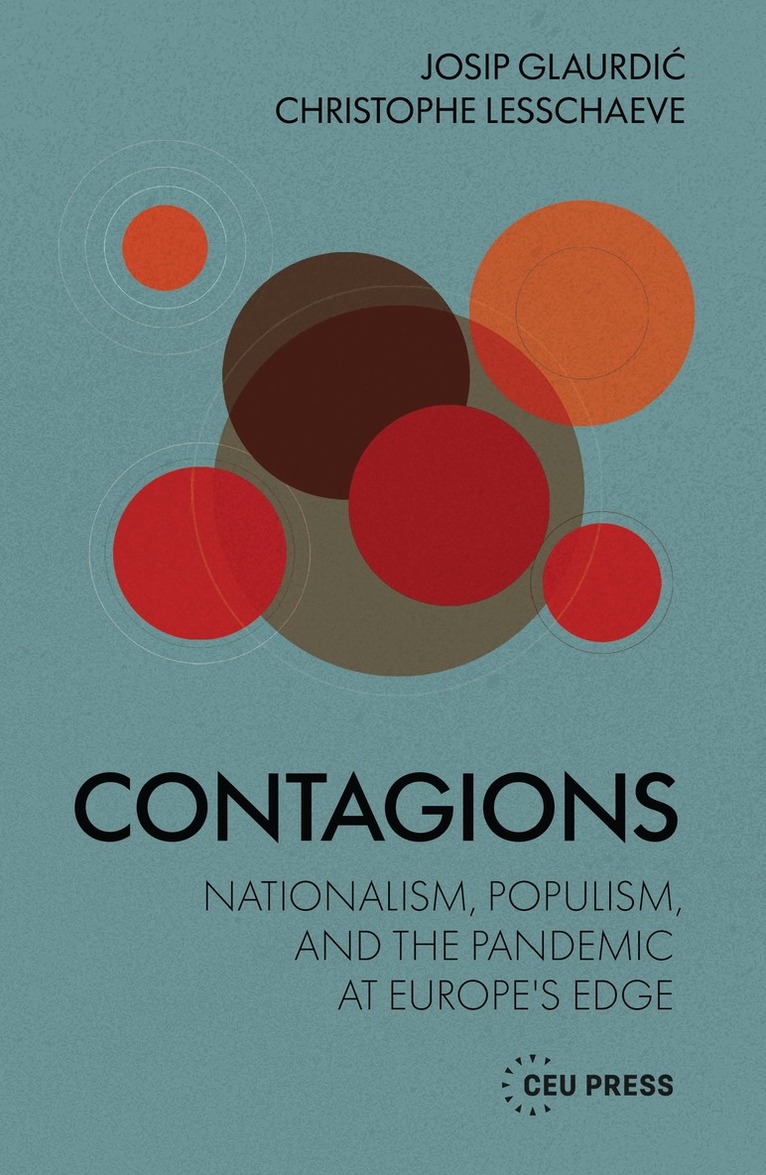
Contagions: Nationalism, Populism, and the Pandemic at Europe’s Edge offers a sweeping account of how COVID-19 collided with the political fault lines of Southeast Europe. Drawing on original surveys and rich comparative analysis, the book reveals how the crisis interacted with the power of nationalism and populism—reshaping trust, compliance, conspiracy beliefs, economic grievances, and even the memory of the pandemic itself. From the early months of surprising effectiveness to the region’s descent into some of the world’s worst mortality outcomes, the study shows how political ideologies acted like contagions of their own, undermining collective resilience. Southeast Europe emerges here not as an anomaly, but as a diagnostic lens onto broader European and global patterns of crisis governance and democratic fragility. Accessible yet deeply grounded in evidence, this book speaks both to scholars and to readers seeking to understand how ideology shapes societies under strain.