Joy Cumming – författare
Visar alla böcker från författaren Joy Cumming. Handla med fri frakt och snabb leverans.
6 produkter
6 produkter
Inbunden, Engelska, 2009
1 577 kr
Skickas inom 10-15 vardagar
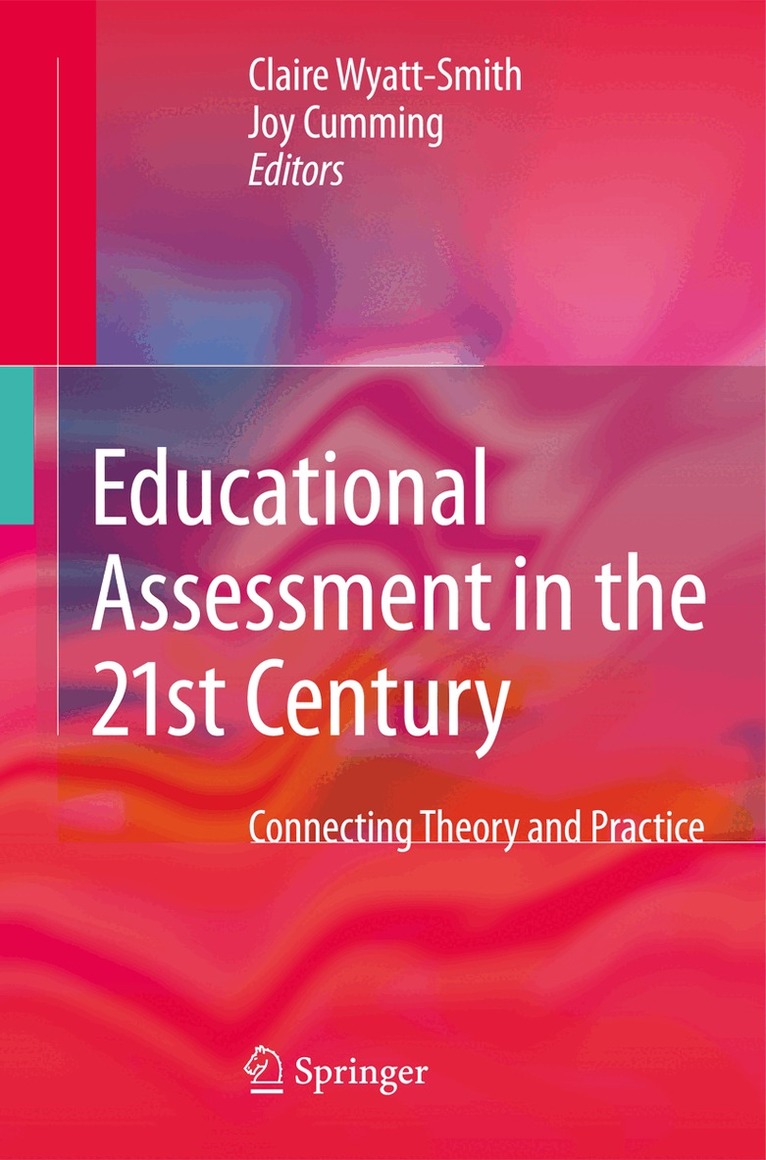
Signs of Change: Assessment Past, Present and Future Another Time, Another Place...Examinations Then and Now In the Temple of Literature in Hanoi, Vietnam, a series of stone stelae records the names of the handful of illustrious examination candidates who, in each century, passed the national examination to become a Doctor of Literature. Beginning in the 11thcentury,theexamswereconductedpersonallybysuccessivekingswhopursued Confucian ideals that found expression in the enormous value placed on the pursuit of wisdom and learning. In the 21st century we are both puzzled and impressed by this tradition. Puzzled by such an explicit commitment to a meritocracy in an essentially feudal society; impressed by this enthusiasm for learning and the pursuit of wisdom at the highest level of society. Yet, there are also important similarities between the 11th and 21st centuries. Then, as now, assessment was associated with excellence, high standards, pr- tige and competition—success for the chosen few; disappointment for the majority. Then, as now, the pursuit of excellence was embedded in a social context that favoured the elite and determined success in terms of the predilections of the p- erful. Then, as now, the purpose of the assessment, the way it was conducted and its impact on society all re ected the social and economic priorities of the day.
E-bok
PDF, Engelska, 20091 922 kr
Läs direkt efter köp
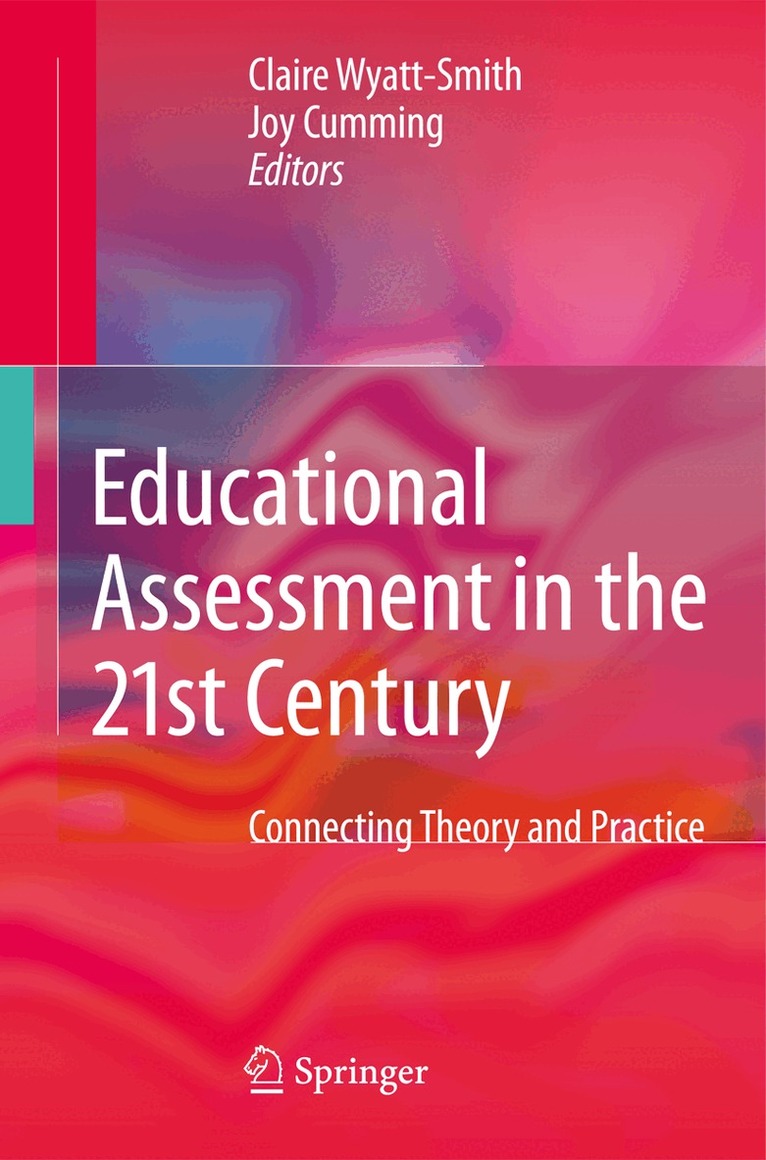
Signs of Change: Assessment Past, Present and Future Another Time, Another Place...Examinations Then and Now In the Temple of Literature in Hanoi, Vietnam, a series of stone stelae records the names of the handful of illustrious examination candidates who, in each century, passed the national examination to become a Doctor of Literature. Beginning in the 11thcentury,theexamswereconductedpersonallybysuccessivekingswhopursued Confucian ideals that found expression in the enormous value placed on the pursuit of wisdom and learning. In the 21st century we are both puzzled and impressed by this tradition. Puzzled by such an explicit commitment to a meritocracy in an essentially feudal society; impressed by this enthusiasm for learning and the pursuit of wisdom at the highest level of society. Yet, there are also important similarities between the 11th and 21st centuries. Then, as now, assessment was associated with excellence, high standards, pr- tige and competition—success for the chosen few; disappointment for the majority. Then, as now, the pursuit of excellence was embedded in a social context that favoured the elite and determined success in terms of the predilections of the p- erful. Then, as now, the purpose of the assessment, the way it was conducted and its impact on society all re ected the social and economic priorities of the day.
Häftad, Engelska, 2010
1 577 kr
Skickas inom 10-15 vardagar
Signs of Change: Assessment Past, Present and Future Another Time, Another Place...Examinations Then and Now In the Temple of Literature in Hanoi, Vietnam, a series of stone stelae records the names of the handful of illustrious examination candidates who, in each century, passed the national examination to become a Doctor of Literature. Beginning in the 11thcentury,theexamswereconductedpersonallybysuccessivekingswhopursued Confucian ideals that found expression in the enormous value placed on the pursuit of wisdom and learning. In the 21st century we are both puzzled and impressed by this tradition. Puzzled by such an explicit commitment to a meritocracy in an essentially feudal society; impressed by this enthusiasm for learning and the pursuit of wisdom at the highest level of society. Yet, there are also important similarities between the 11th and 21st centuries. Then, as now, assessment was associated with excellence, high standards, pr- tige and competition—success for the chosen few; disappointment for the majority. Then, as now, the pursuit of excellence was embedded in a social context that favoured the elite and determined success in terms of the predilections of the p- erful. Then, as now, the purpose of the assessment, the way it was conducted and its impact on society all re ected the social and economic priorities of the day.
Inbunden, Engelska, 2016
1 515 kr
Skickas inom 10-15 vardagar
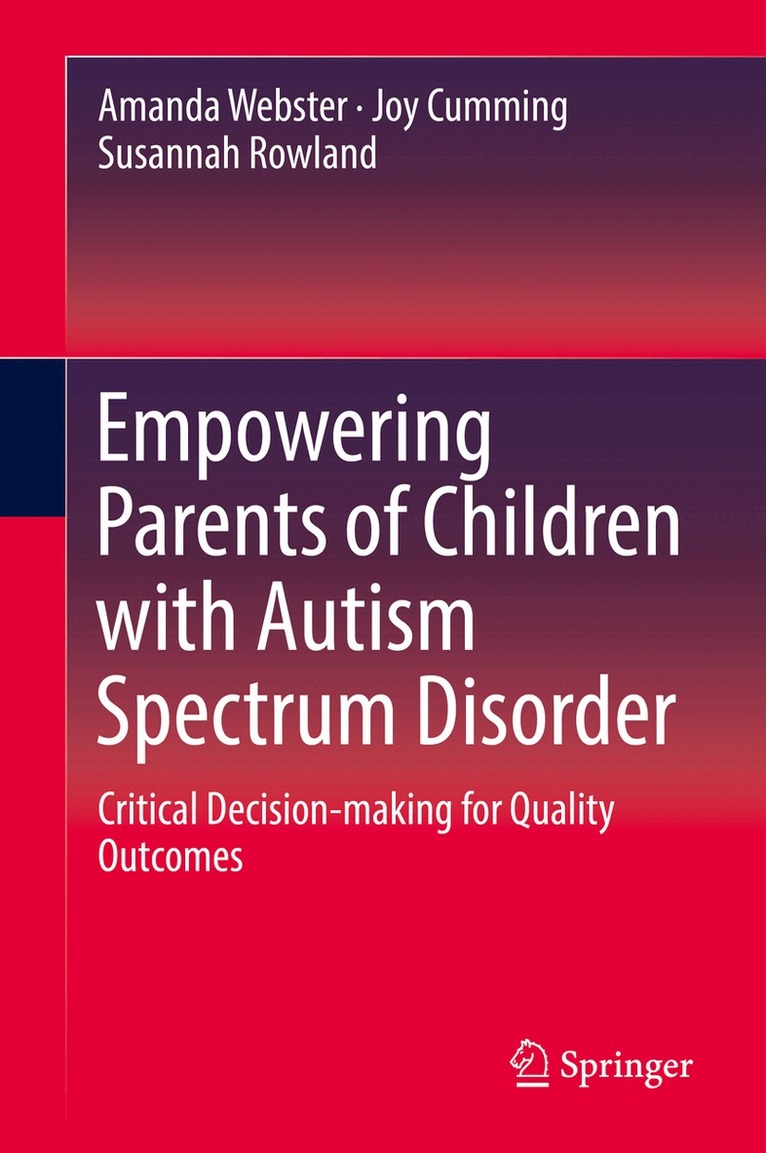
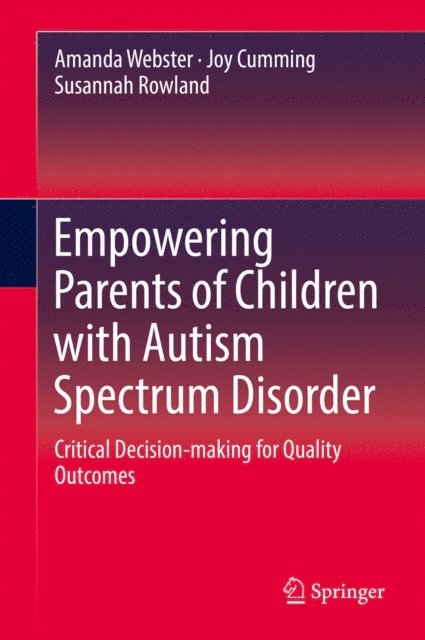
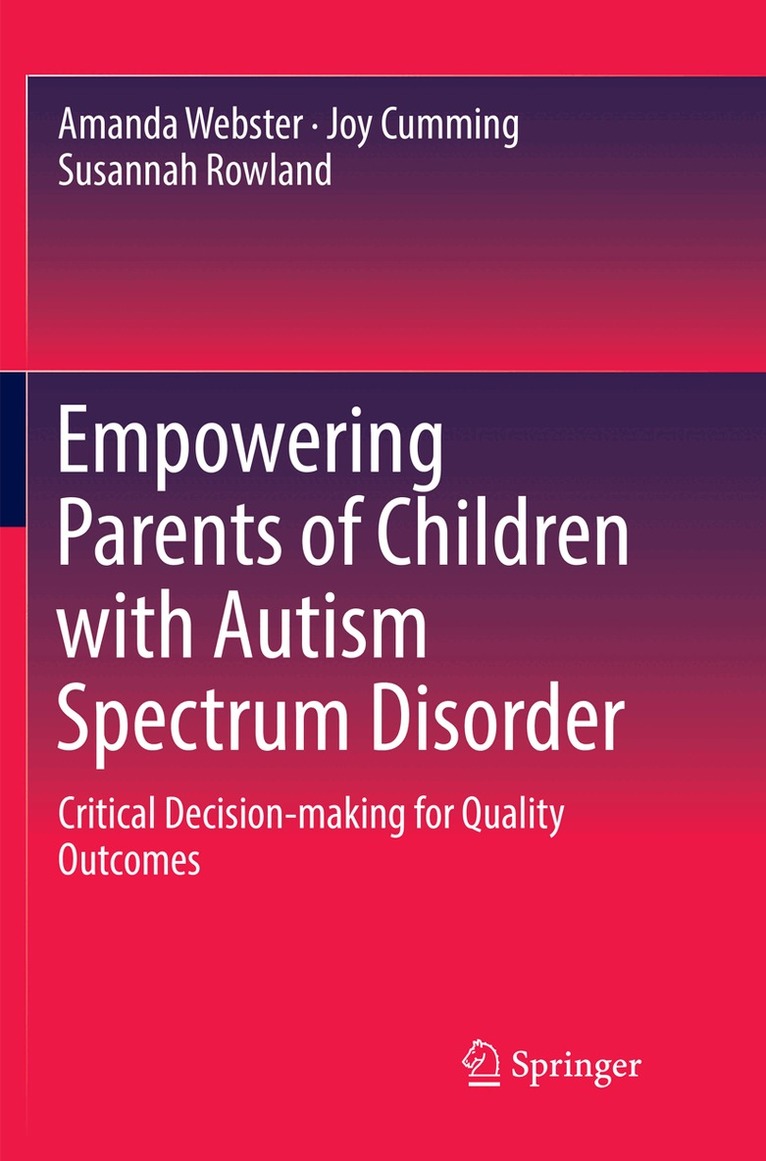
This book presents an international research-based framework that has empowered parents of children with autism spectrum disorder (ASD) to become critical decision makers to actively guide their child’s learning and self-advocacy. Parents can use this framework to identify their child’s vision and dreams, and to work with educators and service providers to establish specific learning goals and to implement effective interventions and programs that enable their child to achieve those goals and realise their vision for the future.The book begins by reviewing available research on evidence-based practice for children with ASD and outlining the Cycle of Learning decision-making framework for parents and professionals. Throughout the remainder of the book, case studies are presented to illustrate the ways in which different parents have successfully utilised this framework to develop effective plans for their child and to advocate for learning and education programs for both their child and other children with ASD in school and community settings. In addition, it highlights concrete examples of how parents have used the framework to empower their children with ASD to develop their self-awareness and self-determination, and to be able to self-advocate as they move through adolescence and into adult life.
E-bok
Engelska, 20161 838 kr
Läs direkt efter köp
This book presents an international research-based framework that has empowered parents of children with autism spectrum disorder (ASD) to become critical decision makers to actively guide their child’s learning and self-advocacy. Parents can use this framework to identify their child’s vision and dreams, and to work with educators and service providers to establish specific learning goals and to implement effective interventions and programs that enable their child to achieve those goals and realise their vision for the future.The book begins by reviewing available research on evidence-based practice for children with ASD and outlining the Cycle of Learning decision-making framework for parents and professionals. Throughout the remainder of the book, case studies are presented to illustrate the ways in which different parents have successfully utilised this framework to develop effective plans for their child and to advocate for learning and education programs for both their child and other children with ASD in school and community settings. In addition, it highlights concrete examples of how parents have used the framework to empower their children with ASD to develop their self-awareness and self-determination, and to be able to self-advocate as they move through adolescence and into adult life.
Häftad, Engelska, 2018
1 472 kr
Skickas inom 10-15 vardagar
This book presents an international research-based framework that has empowered parents of children with autism spectrum disorder (ASD) to become critical decision makers to actively guide their child’s learning and self-advocacy. Parents can use this framework to identify their child’s vision and dreams, and to work with educators and service providers to establish specific learning goals and to implement effective interventions and programs that enable their child to achieve those goals and realise their vision for the future.The book begins by reviewing available research on evidence-based practice for children with ASD and outlining the Cycle of Learning decision-making framework for parents and professionals. Throughout the remainder of the book, case studies are presented to illustrate the ways in which different parents have successfully utilised this framework to develop effective plans for their child and to advocate for learning and education programs for both their child and other children with ASD in school and community settings. In addition, it highlights concrete examples of how parents have used the framework to empower their children with ASD to develop their self-awareness and self-determination, and to be able to self-advocate as they move through adolescence and into adult life.