Joyce A. Quinn – författare
Visar alla böcker från författaren Joyce A. Quinn. Handla med fri frakt och snabb leverans.
5 produkter
5 produkter
E-bok
PDF, Engelska, 2008856 kr
Läs direkt efter köp
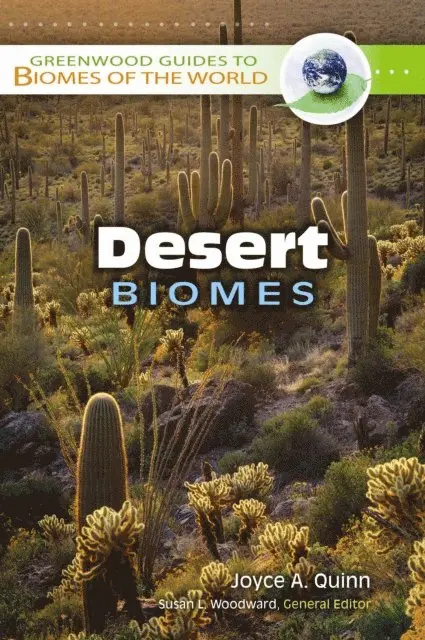
This volume in the Greenwood Guides to Biomes of the World focuses on deserts, the seemingly desolate—but actually quite lively—regions that are home to some of the most interesting and beautiful flora and fauna in the world. Desert Biomes examines three different types of biomes: warm/hot deserts (such as the Mojave and Sahara deserts), cold deserts (such as Patagonia in South America), and the West Coast Fog Desert biomes, which occur on certain regions of the western edge of major continents. The volumes examines how these biomes are unique in terms of their vegetation, geographical distribution, soil, challenges posed by the environment, adaptation of the plants and animals to the environment, and conservation efforts. Maps, photos, diagrams, drawings, and tables accompany the text, as do sidebars that highlight habitats, species, and ecological relationships. The volume includes a bibliography of accessible resources for further research.
E-bok
PDF, Engelska, 2008923 kr
Läs direkt efter köp
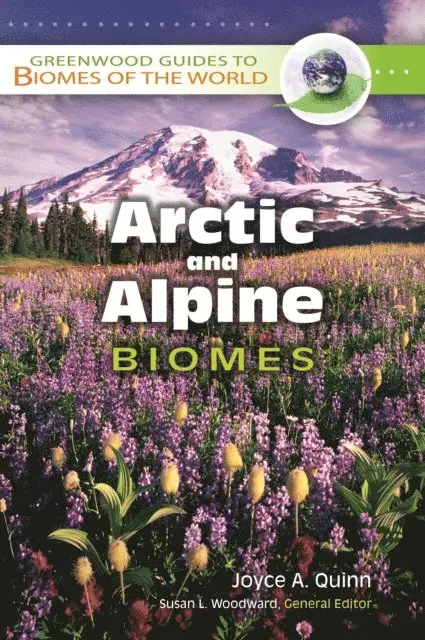
This volume in the Greenwood Guides to Biomes of the World: series covers the biomes at high altitudes and near the poles, including the arctic tundra biomes, the Mid-Latitude Alpine Tundra Biome (found in the mountain ranges of North America, Asia, and South America), and the tropical alpine tundra biome (for example, Hawaii).
E-bok
PDF, Engelska, 20112 229 kr
Läs direkt efter köp
This two-volume set provides a one-stop resource on invasive plants, animals, fungi, and microorganisms that are threatening native ecosystems, agriculture, economies, and human health in the United States.Kudzu vine and field bindweed. Eurasian collared-doves, Burmese pythons, and black rats. The northern snakehead and the gypsy moth. All of these are examples of invasive species that have taken over or are threatening certain ecosystems—places where these organisms never naturally occurred. This two-volume work contains 168 entries on plants, animals, fungi, and microorganisms that are invasive in the United States, providing a complete examination of the variety of organisms, pathways, distribution patterns, and impacts of non-native species introduced to this country.Encyclopedia of Invasive Species: From Africanized Honey Bees to Zebra Mussels begins with a background essay that illuminates the complexities of dealing with invasive animals and plants. Each entry provides information on the origins and invasion history of the species in question as well as a general description of the biology and ecology of each organism. Impacts—actual and potential, as well as management strategies—are addressed. Every species is depicted via photographs as well as maps that show its place of origin and invaded regions in the United States. This unique work presents fascinating scientific information as well as valuable insights about how seemingly minor events can drastically alter our environment.
2 484 kr
Läs direkt efter köp
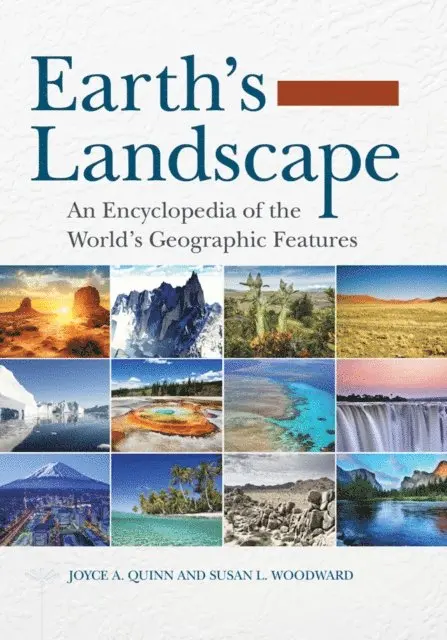
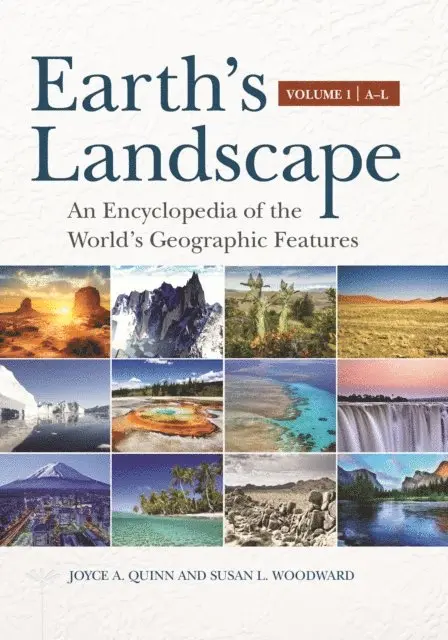
This unusual encyclopedia brings together in-depth information on more than 450 natural geographic features from around the world and offers an array of creative tools to promote critical thinking and classroom discussion.With Earth undergoing rapid environmental change, students and the general public alike should be knowledgeable about the world's geographic features. This authoritative, two-volume reference enables readers do just that. It describes continents and oceans; individual mountains, islands, caves, and rivers; and ecological entities such as wildlife refuges and national parks. Each entry provides a geographic overview of the feature's significance, location, description, geologic history, biota, protected areas, and environmental issues. But the coverage goes even deeper so that entries also discuss the cultural importance of each natural place, covering everything from indigenous beliefs to traditional folklore to contemporary legends.The encyclopedia stands apart from other works not only in the depth of its coverage but also in its range. It discusses lesser known as well as prominent geographical features and offers critical thinking aids that will help students see how the natural world relates to their daily lives. Teaching and learning tools include an appendix called "Opposing Viewpoints" that allows students to understand landforms involved in current conflicts and disputes as well as an "Activities/Discussion Questions" appendix.
2 539 kr
Läs direkt efter köp
This unusual encyclopedia brings together in-depth information on more than 450 natural geographic features from around the world and offers an array of creative tools to promote critical thinking and classroom discussion.With Earth undergoing rapid environmental change, students and the general public alike should be knowledgeable about the world's geographic features. This authoritative, two-volume reference enables readers do just that. It describes continents and oceans; individual mountains, islands, caves, and rivers; and ecological entities such as wildlife refuges and national parks. Each entry provides a geographic overview of the feature's significance, location, description, geologic history, biota, protected areas, and environmental issues. But the coverage goes even deeper so that entries also discuss the cultural importance of each natural place, covering everything from indigenous beliefs to traditional folklore to contemporary legends.The encyclopedia stands apart from other works not only in the depth of its coverage but also in its range. It discusses lesser known as well as prominent geographical features and offers critical thinking aids that will help students see how the natural world relates to their daily lives. Teaching and learning tools include an appendix called "Opposing Viewpoints" that allows students to understand landforms involved in current conflicts and disputes as well as an "Activities/Discussion Questions" appendix.