J.P. Telotte – författare
Visar alla böcker från författaren J.P. Telotte. Handla med fri frakt och snabb leverans.
10 produkter
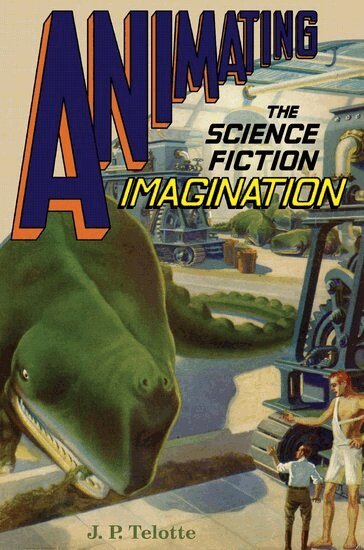
Animating the Science Fiction Imagination
Av J.P. Telotte
Inbunden, 2017
2215 kr
Lägg i varukorg
Long before flying saucers, robot monsters, and alien menaces invaded our movie screens in the 1950s, there was already a significant but overlooked body of cinematic science fiction. Through analyses of early twentieth-century animations, comic strips, and advertising, Animating the Science …
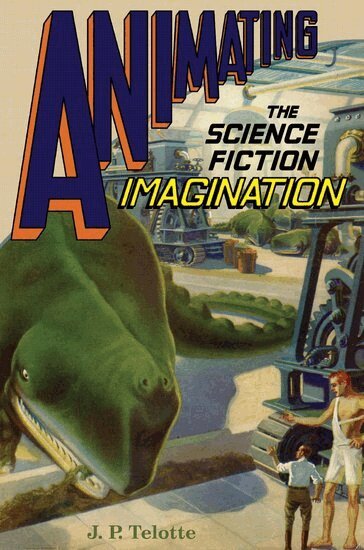
Animating the Science Fiction Imagination
Av J.P. Telotte
Häftad, 2017
520 kr
Lägg i varukorg
Long before flying saucers, robot monsters, and alien menaces invaded our movie screens in the 1950s, there was already a significant but overlooked body of cinematic science fiction. Through analyses of early twentieth-century animations, comic strips, and advertising, Animating the Science …
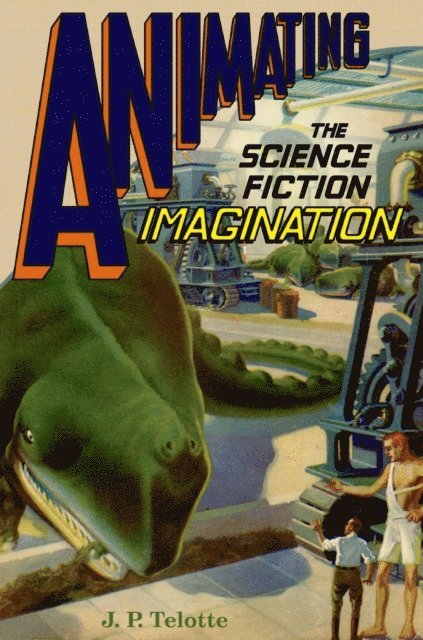
Animating the Science Fiction Imagination
Av J.P. Telotte
E-bok, 2017
462 kr
Lägg i varukorg
Long before flying saucers, robot monsters, and alien menaces invaded our movie screens in the 1950s, there was already a significant but overlooked body of cinematic science fiction. Through analyses of early twentieth-century animations, comic strips, and advertising, Animating the Science …
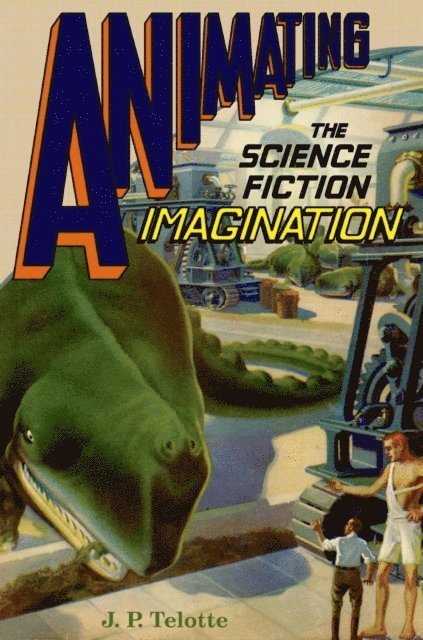
Animating the Science Fiction Imagination
Av J.P. Telotte
E-bok, 2017
462 kr
Lägg i varukorg
Long before flying saucers, robot monsters, and alien menaces invaded our movie screens in the 1950s, there was already a significant but overlooked body of cinematic science fiction. Through analyses of early twentieth-century animations, comic strips, and advertising, Animating the Science …
Animating Space
From Mickey to WALL-E
Av J.P. Telotte
E-bok, 2010
568 kr
Lägg i varukorg
Animators work within a strictly defined, limited space that requires difficult artistic decisions. The blank frame presents a dilemma for all animators, and the decision of what to include and leave out raises important questions about artistry, authorship, and cultural influence. In Animating …
Essential Science Fiction Television Reader
Av J.P. Telotte
E-bok, 2008
197 kr
Lägg i varukorg
"A richly detailed and critically penetrating overview . . . from the plucky adventures of Captain Video to the postmodern paradoxes of The X-Files and Lost." —Rob Latham, coeditor of Science Fiction Studies Exploring such hits as The Twilight Zone, Star Trek, Battlestar Galactica, and Lost, among …
Animating Space
From Mickey to WALL-E
Av J.P. Telotte
E-bok, 2010
568 kr
Lägg i varukorg
Animators work within a strictly defined, limited space that requires difficult artistic decisions. The blank frame presents a dilemma for all animators, and the decision of what to include and leave out raises important questions about artistry, authorship, and cultural influence. In Animating …
Essential Science Fiction Television Reader
Av J.P. Telotte
E-bok, 2008
612 kr
Lägg i varukorg
Once confined solely to literature and film, science fiction has emerged to become a firmly established, and wildly popular, television genre over the last half century. The Essential Science Fiction Television Reader provides insight into and analyses of the most important programs in the history …
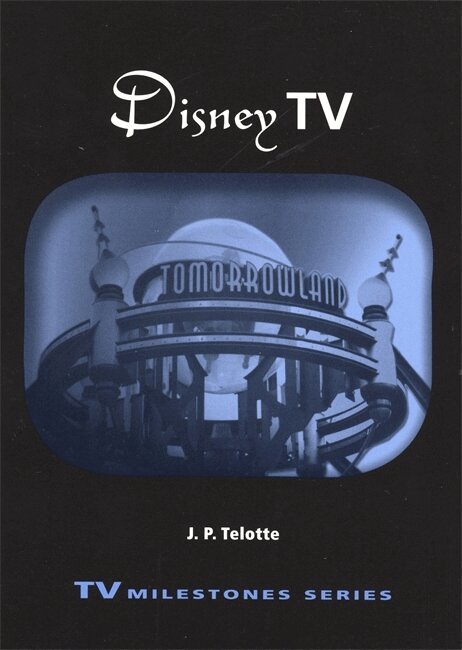
Disney TV
Av J.P. Telotte
Häftad, 2004
293 kr
Lägg i varukorg
The year 2004 marks the 50th anniversary of the Walt Disney Company's network television series Disneyland/The Wonderful World of Color. The series, part of Walt Disney's quest to re-create American entertainment, premiered October 27, 1954, on ABC and was the longest-lived program in television …
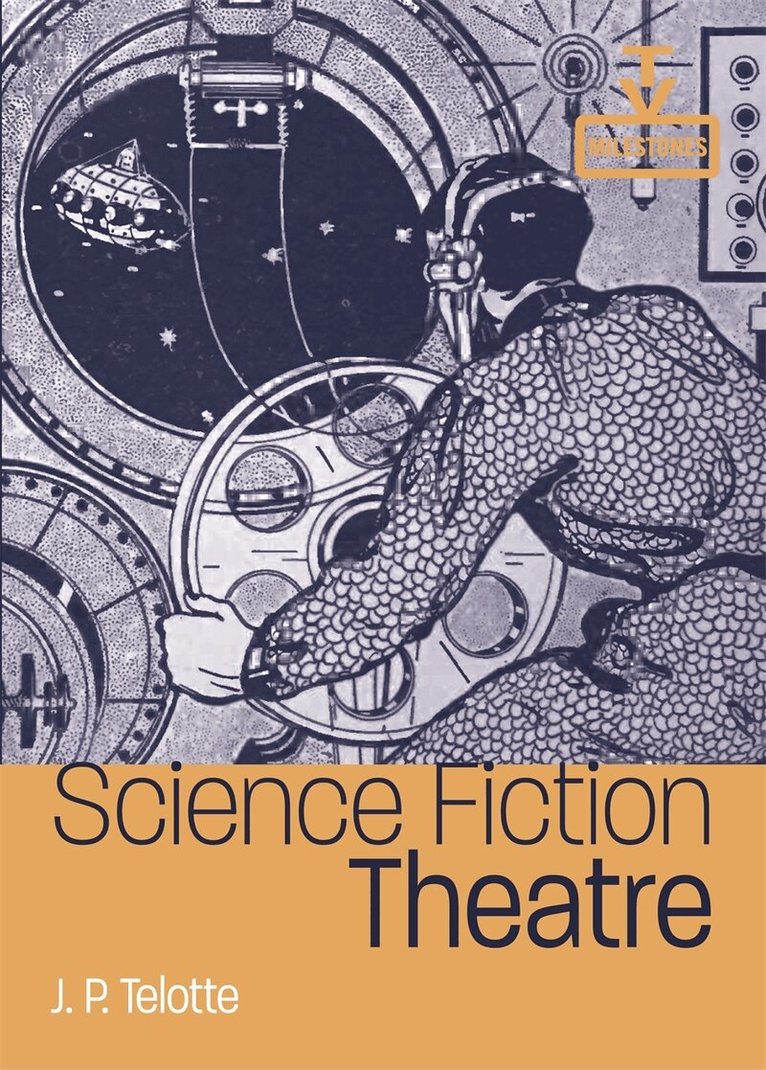
Science Fiction Theatre
Av J.P. Telotte
Häftad, 2024
274 kr
Lägg i varukorg
In the wake of the juvenile space operas of the early 1950s, a groundbreaking series debuted and paved the way for one of viewers' favorite genres today: adult-oriented science fiction. Science Fiction Theatre aired with a fresh anthology-style narrative from the vision of veteran producer Ivan …