Jr. Denton, Robert E. – författare
Visar alla böcker från författaren Jr. Denton, Robert E.. Handla med fri frakt och snabb leverans.
5 produkter
5 produkter
1 039 kr
Skickas inom 10-15 vardagar
This important text is the first to examine the Clinton presidency from a communication perspective. Experts in communication and presidential studies analyze the rhetoric, images, issues, and communication strategies employed by the President, the First Lady, and the administration. From the feel-good town meetings of the campaign to the exuberant days of the inauguration, from the health care crisis to the Whitewater scandal and the Republican congressional landslide, this volume attempts to separate image from reality and spin from actuality in the media presidency of William Jefferson Clinton.
502 kr
Skickas inom 10-15 vardagar
This important text is the first to examine the Clinton presidency from a communication perspective. Experts in communication and presidential studies analyze the rhetoric, images, issues, and communication strategies employed by the President, the First Lady, and the administration. From the feel-good town meetings of the campaign to the exuberant days of the inauguration, from the health care crisis to the Whitewater scandal and the Republican congressional landslide, this volume attempts to separate image from reality and spin from actuality in the media presidency of William Jefferson Clinton.
1 039 kr
Skickas inom 10-15 vardagar
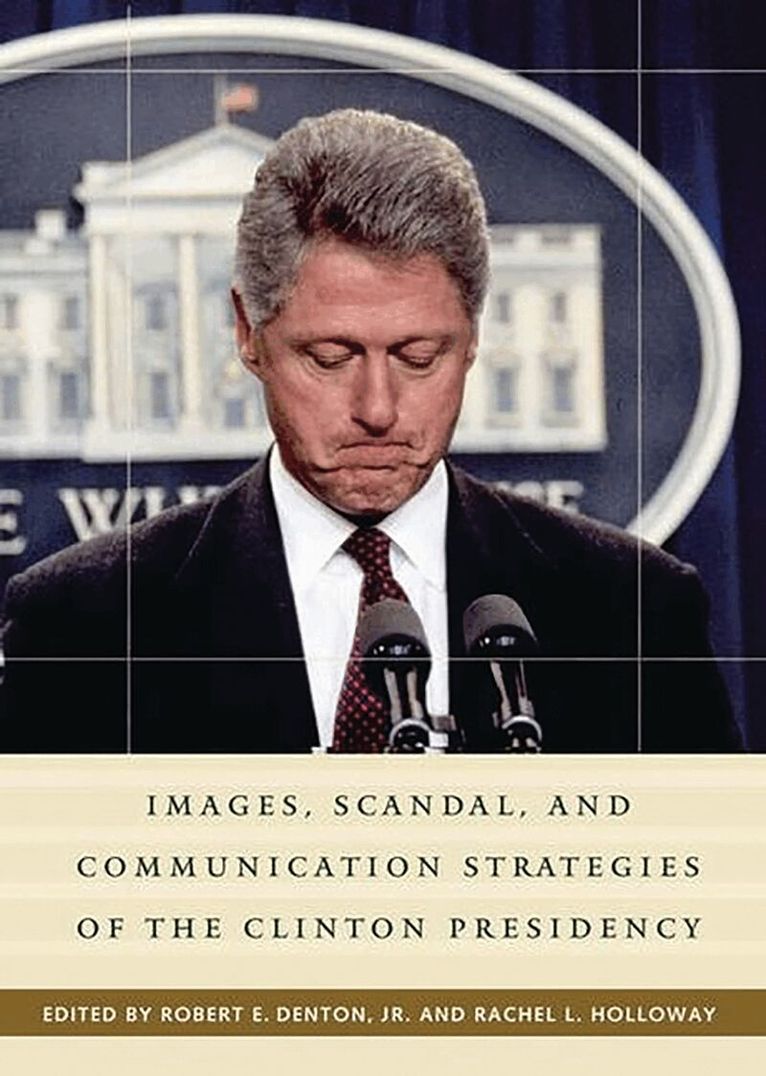
Denton, Holloway, and their contributors present analyses of communication strategies used in the Clinton administration, with a special focus on President Clinton's responses to the Lewinsky scandal and impeachment.Chapters explore the Clinton administration's attempts to control his image through rhetorical and media strategies, his appeal to women voters, the changing image of Hillary Rodham Clinton, and Clinton's discourse on race. The second half of the book focuses on Clinton's responses to the Lewinsky scandal, media coverage and polling during the scandal, and Clinton's impact on the symbolic nature of the American presidency. This book will be of particular interest to scholars, students, and other researchers involved with communication, political science, political sociology, political communication, and scandal.
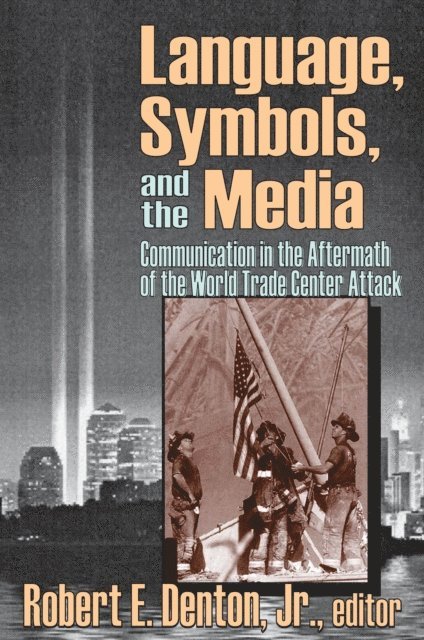
Language, Symbols, and the Media
Communication in the Aftermath of the World Trade Center Attack
Inbunden, Engelska, 2017
2 113 kr
Skickas inom 10-15 vardagar
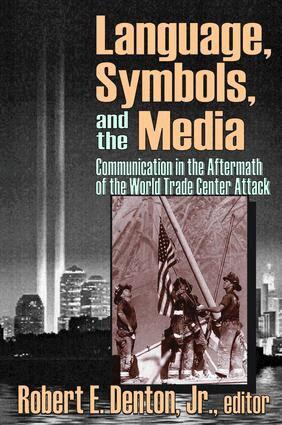
The terrorist attacks of September 11, 2001 created a new political landscape and a new era of warfare. Language, Symbols, and the Media, now in paperback, offers insights into the impact and influence of 9/11 upon our cultural, social, and political life. The book opens with an introductory chapter on communications, media language, and visual symbolism in the immediate wake of the attacks. The second chapter considers the challenge to religious pluralism, analyzing the grounds for the immediate backlash against Islam. Chapter 3 reviews several crucial historical and contemporary Supreme Court rulings relevant to the limitations of free speech in times of war and national crises. The consideration of First Amendment rights is continued in chapter 4, which places the Patriot Act in historical context by comparing the legislation and its interpretation of it to other legislation passed in response to past American crises. The immediate aftermath of the attacks witnessed many calls for an end to "the age of irony" and a return to "traditional values." Chapter 5 considers some contrarian responses and analyzes the impact of irony as a rhetorical device in American culture. The unifying role of sport in the post-9/11 healing process in America is examined in chapter 6. Chapter 7 examines the reactions and responses of young adults to the events of 9/11 one year later. Chapter 8 demonstrates how politicians received a public "makeover" of their careers. Chapter 9 explores the impact of 9/11 on the rhetoric of advertising, while chapter 10 focuses more closely on how it affected the tourism industry. A concluding chapter examines several instances of media self-censorship and its implications for the policymaking process during times of crisis. This volume will be of interest to cultural studies specialists, sociologists, journalists, political scientists, historians, as well as general readers.

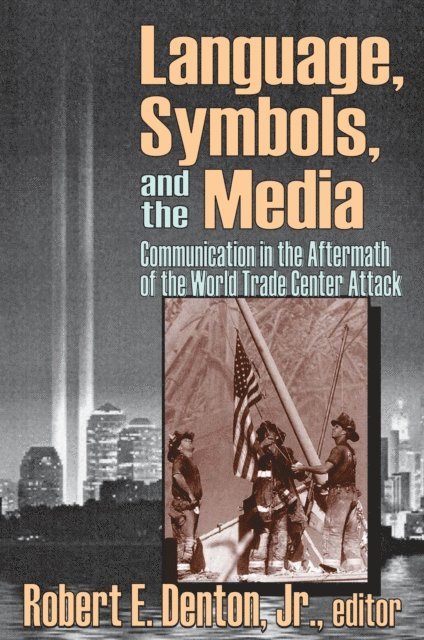
Language, Symbols, and the Media
Communication in the Aftermath of the World Trade Center Attack
Häftad, Engelska, 2006
673 kr
Skickas inom 10-15 vardagar
The terrorist attacks of September 11, 2001 created a new political landscape and a new era of warfare. Language, Symbols, and the Media, now in paperback, offers insights into the impact and influence of 9/11 upon our cultural, social, and political life. The book opens with an introductory chapter on communications, media language, and visual symbolism in the immediate wake of the attacks. The second chapter considers the challenge to religious pluralism, analyzing the grounds for the immediate backlash against Islam. Chapter 3 reviews several crucial historical and contemporary Supreme Court rulings relevant to the limitations of free speech in times of war and national crises. The consideration of First Amendment rights is continued in chapter 4, which places the Patriot Act in historical context by comparing the legislation and its interpretation of it to other legislation passed in response to past American crises. The immediate aftermath of the attacks witnessed many calls for an end to "the age of irony" and a return to "traditional values." Chapter 5 considers some contrarian responses and analyzes the impact of irony as a rhetorical device in American culture. The unifying role of sport in the post-9/11 healing process in America is examined in chapter 6. Chapter 7 examines the reactions and responses of young adults to the events of 9/11 one year later. Chapter 8 demonstrates how politicians received a public "makeover" of their careers. Chapter 9 explores the impact of 9/11 on the rhetoric of advertising, while chapter 10 focuses more closely on how it affected the tourism industry. A concluding chapter examines several instances of media self-censorship and its implications for the policymaking process during times of crisis. This volume will be of interest to cultural studies specialists, sociologists, journalists, political scientists, historians, as well as general readers.