J.R.L. Allen – författare
Visar alla böcker från författaren J.R.L. Allen. Handla med fri frakt och snabb leverans.
9 produkter
9 produkter
Inbunden, Engelska, 1994
1 090 kr
Skickas inom 10-15 vardagar
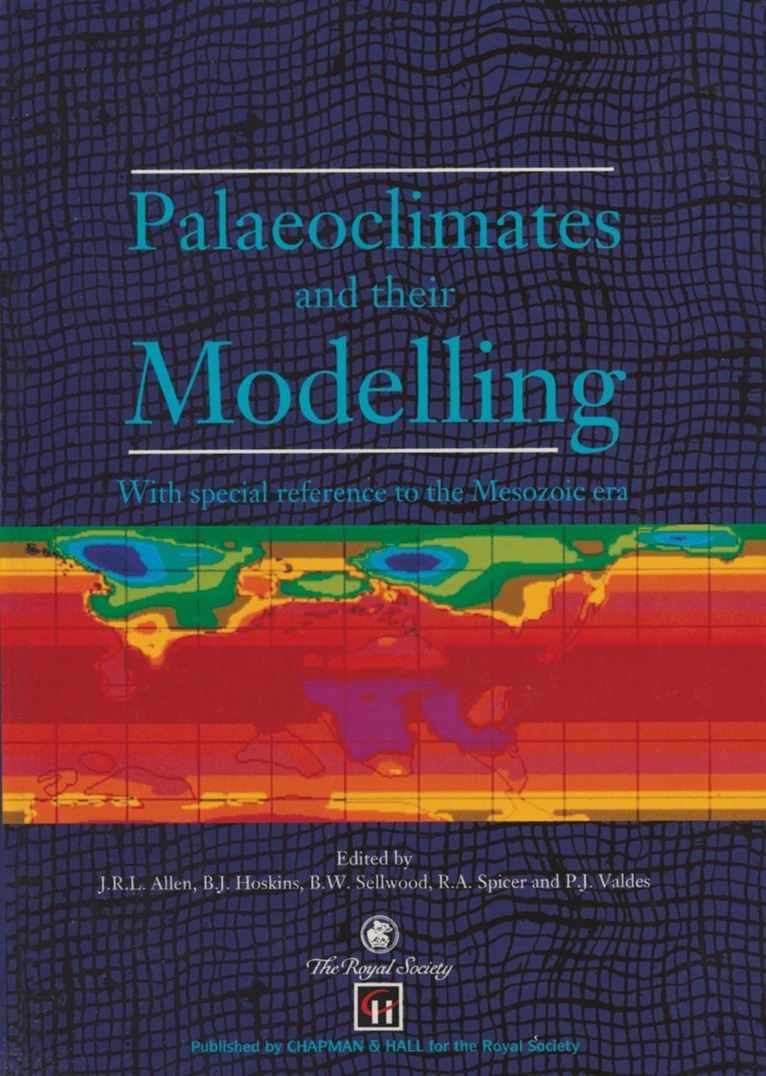
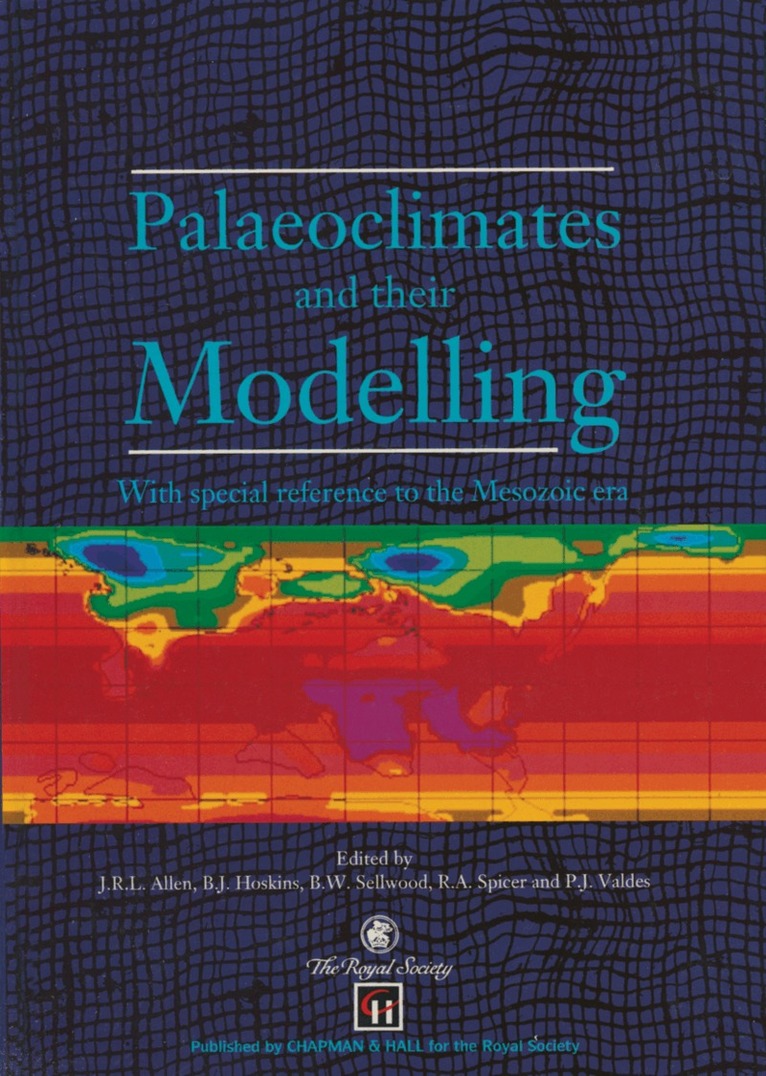
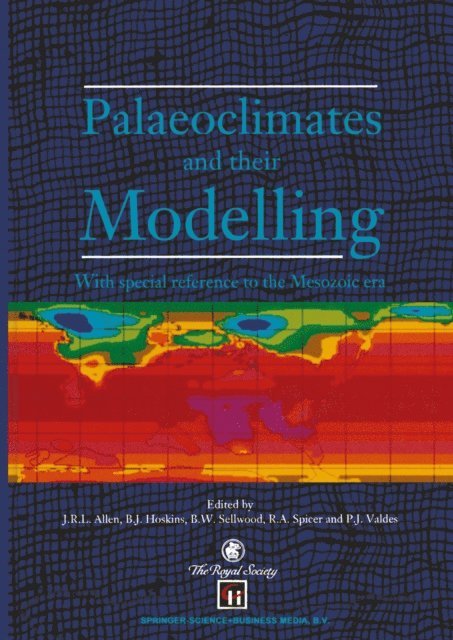
The climate of the Earth has undergone many changes and for those times when geologic data are widespread and abundant the Mesozoic appears to have been one of the warmest intervals. This was a time during which the single continent Pangea disintegrated into continental units similar to those of today, a time when there were no significant polar ice caps and sea level was generally much higher than at the present time, and a time when dinosaurs apparently dominated terrestrial faunas and the flowering plants evolved. Understanding this alien world, ancestral to ours, is intrinsically interesting, intellectually challenging, and offers opportunities for more effective targeting of sites where commercially important geological resources may be found. It also provides critical insights into the operation of coupled Earth systems (biospheric, atmospheric, hydrospheric and geospheric) under extreme 'greenhouse' conditions, and therefore may have relevance to possible future global change. Our intention in organizing this Discussion Meeting was to bring together those who gather and interpret geologic data with those who model global climates from first principles. The community of workers who study the Quaternary have made significant advances by integrating and comparing palaeodata and climate model experiments. Although we have focused not on the Quaternary 'icehouse' but on the Mesozoic 'hothouse' climate we are well aware that approaches used in the study of the Quaternary may have relevance to earlier times.
Del 432 - BAR British Series
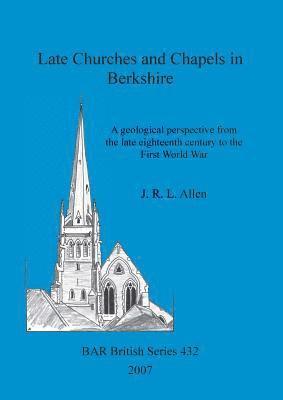
Late Churches and Chapels in Berkshire
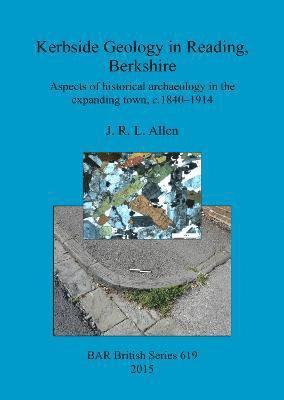
A geological perspective from the late eighteenth century to the First World War
Häftad, Engelska, 2007
376 kr
Skickas inom 3-6 vardagar
Häftad, Engelska, 2008
376 kr
Skickas inom 3-6 vardagar
Häftad, Engelska, 2013
376 kr
Skickas inom 3-6 vardagar
Häftad, Engelska, 2015
376 kr
Skickas inom 3-6 vardagar
E-bok
PDF, Engelska, 20121 100 kr
Läs direkt efter köp
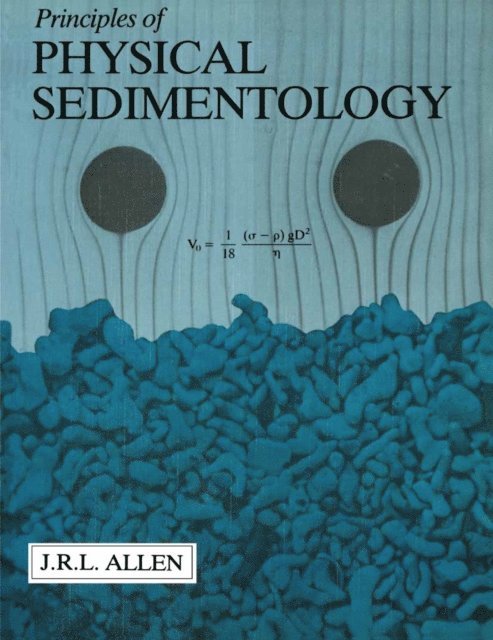
apparatus is generally not required for the making of My aim in this book is simple. It is to set out in a logical useful sedimentological experiments. Most of the equip way what I believe is the minimum that the senior undergraduate and beginning postgraduate student in ment needed for those I describe can be found in the kit the Earth sciences should nowadays know of general chen, bathroom or general laboratory , and the materials most often required - sand, clay and flow-marking physics, in order to be able to understand (rather than form merely a descriptive knowledge of) the smaller substances - are cheaply and widely available. As described, the experiments are for the most part purely scale mechanically formed features of detrital sedi ments. In a sense, this new book is a second edition of qualitative, but many can with only little modification my earlier Physical processes of sedimentation (1970), be made the subject of a rewarding quantitative exer which continues to attract readers and purchasers, inas cise. The reader is urged to tryout these experiments much as time has not caused me to change significantly and to think up additional ones. Experimentation the essence of my philosophy about the subject. Time should be as natural an activity and mode of enquiry for has, however, brought many welcome new practitioners a physical sedimentologist as the wielding of spade and hammer.
Häftad, Engelska, 2017
376 kr
Skickas
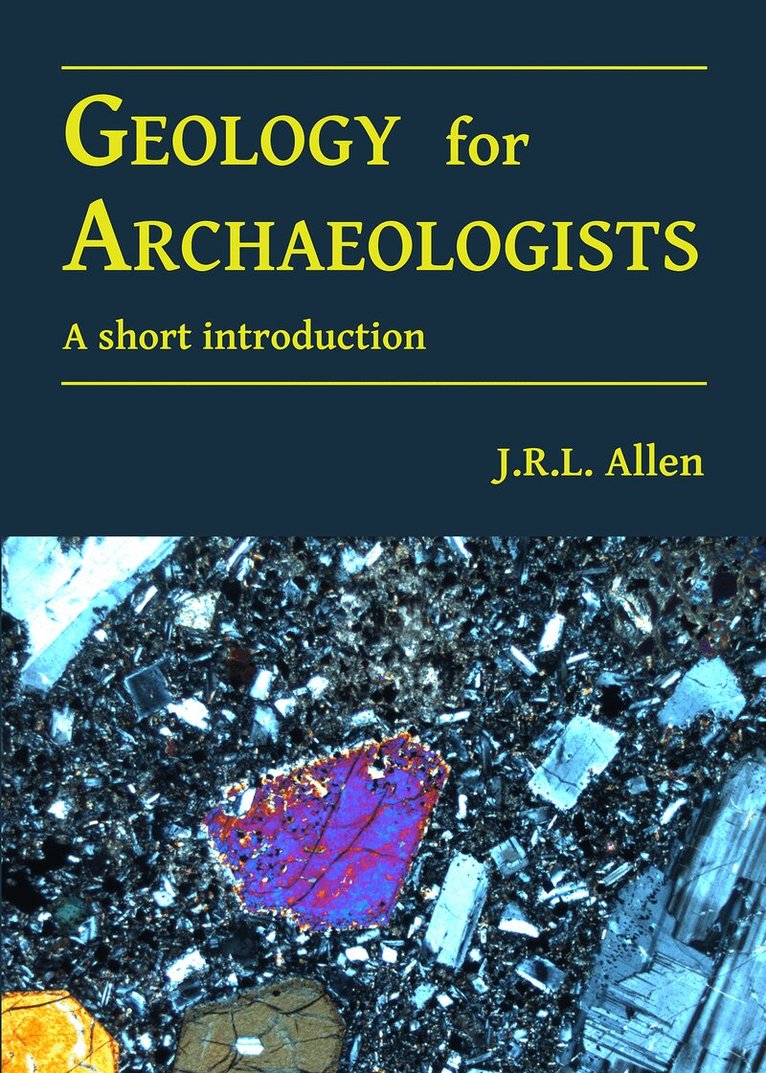
This short introduction aims to provide archaeologists of all backgrounds with a grounding in the principles, materials, and methods of geology. Sections include coverage of main rock-forming minerals and classes of rocks. Geological maps and structures are introduced, and the elements of geological stratigraphy and dating are explained and related to archaeological experience. Fluvial and coastal environments are important archaeological landscapes and their formation processes, sediments and topography are outlined. Stone for building, implement-making, tool-making, and making mortar are all discussed, followed by an introduction to clays and ceramics. A final chapter introduces metallurgical landscapes: metalliferous ores, mining and smelting, and metal-making industries. Each chapter ends with a short reading list, and many have selected case-histories in illustration of the points made. Included is a glossary of technical terms.
Häftad, Engelska, 2013
1 091 kr
Skickas inom 10-15 vardagar
The climate of the Earth has undergone many changes and for those times when geologic data are widespread and abundant the Mesozoic appears to have been one of the warmest intervals. This was a time during which the single continent Pangea disintegrated into continental units similar to those of today, a time when there were no significant polar ice caps and sea level was generally much higher than at the present time, and a time when dinosaurs apparently dominated terrestrial faunas and the flowering plants evolved. Understanding this alien world, ancestral to ours, is intrinsically interesting, intellectually challenging, and offers opportunities for more effective targeting of sites where commercially important geological resources may be found. It also provides critical insights into the operation of coupled Earth systems (biospheric, atmospheric, hydrospheric and geospheric) under extreme 'greenhouse' conditions, and therefore may have relevance to possible future global change. Our intention in organizing this Discussion Meeting was to bring together those who gather and interpret geologic data with those who model global climates from first principles. The community of workers who study the Quaternary have made significant advances by integrating and comparing palaeodata and climate model experiments. Although we have focused not on the Quaternary 'icehouse' but on the Mesozoic 'hothouse' climate we are well aware that approaches used in the study of the Quaternary may have relevance to earlier times.
E-bok
PDF, Engelska, 20121 367 kr
Läs direkt efter köp
The climate of the Earth has undergone many changes and for those times when geologic data are widespread and abundant the Mesozoic appears to have been one of the warmest intervals. This was a time during which the single continent Pangea disintegrated into continental units similar to those of today, a time when there were no significant polar ice caps and sea level was generally much higher than at the present time, and a time when dinosaurs apparently dominated terrestrial faunas and the flowering plants evolved. Understanding this alien world, ancestral to ours, is intrinsically interesting, intellectually challenging, and offers opportunities for more effective targeting of sites where commercially important geological resources may be found. It also provides critical insights into the operation of coupled Earth systems (biospheric, atmospheric, hydrospheric and geospheric) under extreme ''greenhouse'' conditions, and therefore may have relevance to possible future global change. Our intention in organizing this Discussion Meeting was to bring together those who gather and interpret geologic data with those who model global climates from first principles. The community of workers who study the Quaternary have made significant advances by integrating and comparing palaeodata and climate model experiments. Although we have focused not on the Quaternary ''icehouse'' but on the Mesozoic ''hothouse'' climate we are well aware that approaches used in the study of the Quaternary may have relevance to earlier times.