Judith A. Teichman – författare
Visar alla böcker från författaren Judith A. Teichman. Handla med fri frakt och snabb leverans.
6 produkter
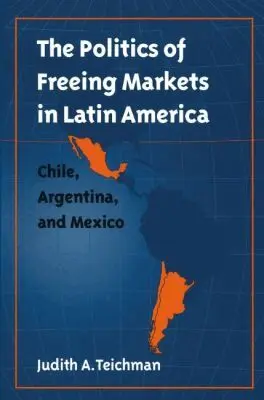
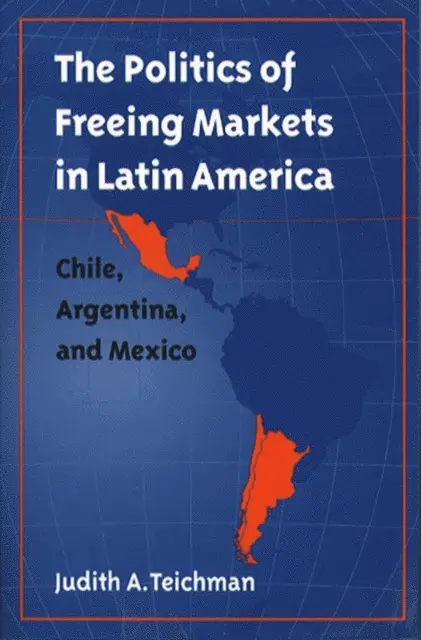
Politics of Freeing Markets in Latin America
Chile, Argentina, and Mexico
Häftad, 2001
529 kr
Lägg i varukorg
In the 1980s and 1990s, nations throughout Latin America experienced the dual transformations of market liberalizing reforms and democratization. Since then, perhaps no issue has been more controversial among those who study the region than the exact nature of the relationship between these two …
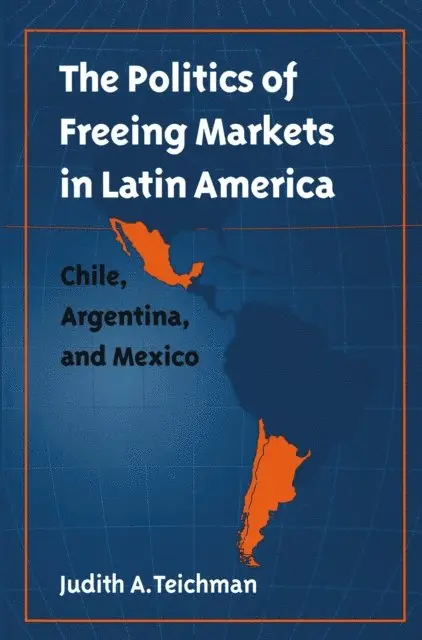
Politics of Freeing Markets in Latin America
Chile, Argentina, and Mexico
E-bok, 2003
535 kr
Lägg i varukorg
In the 1980s and 1990s, nations throughout Latin America experienced the dual transformations of market liberalizing reforms and democratization. Since then, perhaps no issue has been more controversial among those who study the region than the exact nature of the relationship between these two …
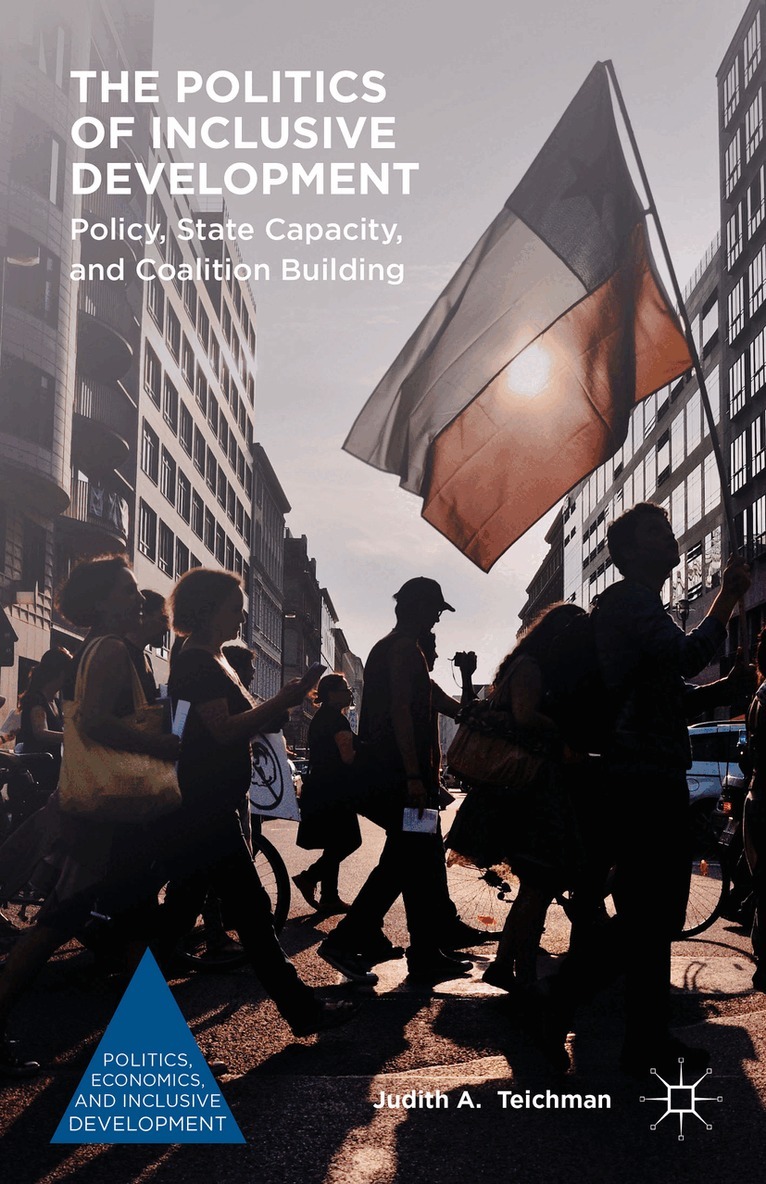
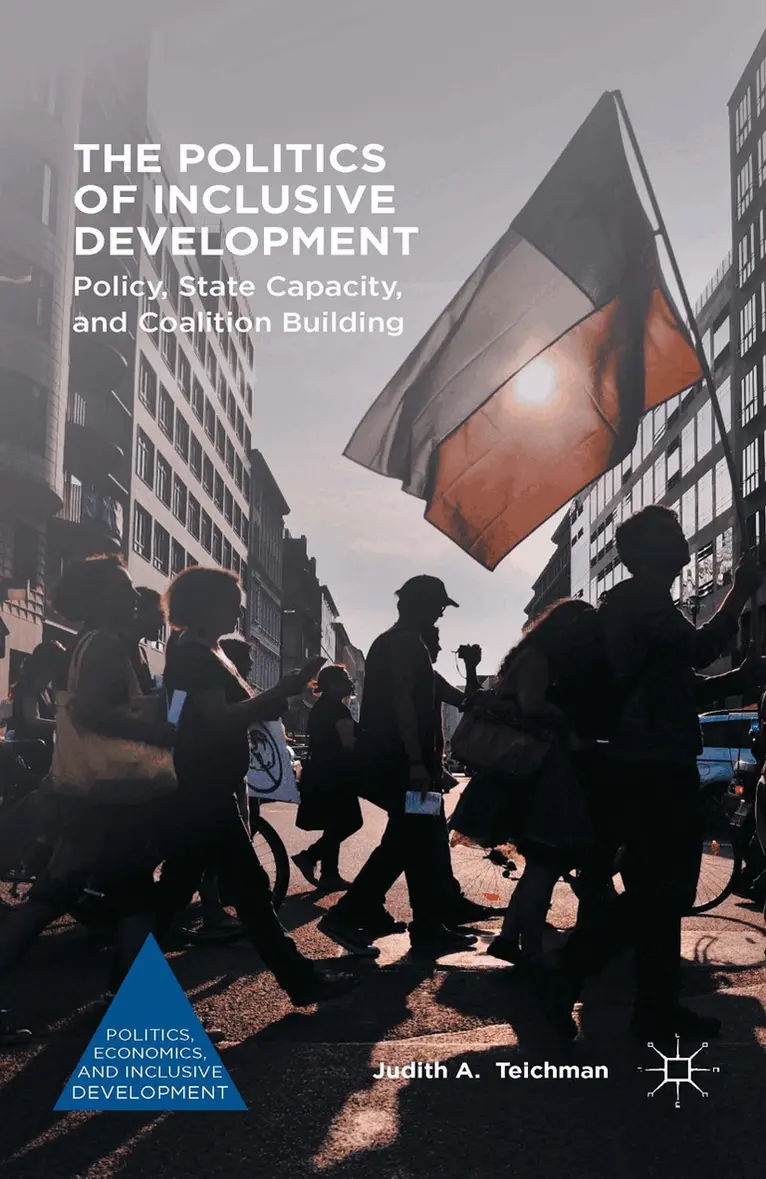
Politics of Inclusive Development
Policy, State Capacity, and Coalition Building
Inbunden, 2016
1096 kr
Lägg i varukorg
This book investigates the political conditions and policies most likely to bring about progress toward inclusive development, drawing on in-depth analyses of four cases studies with distinct development trajectories (Mexico, Indonesia, Chile and South Korea). While exclusion and differential …
Politics of Inclusive Development
Policy, State Capacity, and Coalition Building
E-bok, 2016
932 kr
Lägg i varukorg
This book investigates the political conditions and policies most likely to bring about progress toward inclusive development, drawing on in-depth analyses of four cases studies with distinct development trajectories (Mexico, Indonesia, Chile and South Korea). While exclusion and differential …
Politics of Inclusive Development
Policy, State Capacity, and Coalition Building
Häftad, 2016
715 kr
Lägg i varukorg
This book investigates the political conditions and policies most likely to bring about progress toward inclusive development, drawing on in-depth analyses of four cases studies with distinct development trajectories (Mexico, Indonesia, Chile and South Korea). While exclusion and differential …
Politics of Freeing Markets in Latin America
Chile, Argentina, and Mexico
E-bok, 2003
520 kr
Lägg i varukorg
In the 1980s and 1990s, nations throughout Latin America experienced the dual transformations of market liberalizing reforms and democratization. Since then, perhaps no issue has been more controversial among those who study the region than the exact nature of the relationship between these two …