
Bartolomé de Cárdenas, known as "el Bermejo" (fl 1468-1495), was the most interesting painter of his generation in a time of great artistic and cultural as well as historic change in Spain. Originally from Cordoba, Bermejo appears to have received training directly in Northern Europe in the new technique of oil glazes. During his fascinating career he sometimes drew on the local "art scene" producing altarpieces of astounding quality. This monograph will examine Bermejo's career in the various cities in the Crown of Aragon where he worked: Valencia, Daroca, Zaragoza, and Barcelona.
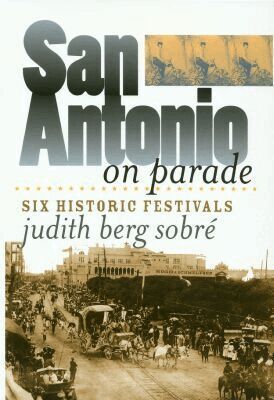
Cities, like people, may be best known by the way they party. For nearly a century and a half. San Antonio has partied well. In this look at late-nineteenth-century festivals in San Antonio, Judith Berg Sobre brings an art historian's sensibility to accounts of the pageantry, parades, and festive events that typified a city welcoming settlers into a community that valued their individuality even while it taught them a new identity. Six historic festivals provide windows into the culture of this polyglot city the Fourth of July, Juneteenth, Diez y Sets Columbus Day, the German Volksfests, and the Battle of the Flowers. The festivals allow their sponsors to showcase the language, foods, costumes, and dances of their homeland while still identifying themselves as patriotic supporters of their new country. Sobre describes the festivals vividly, and the result is a delightful picture of a city and an era at play - a city and an era that would soon find less reason to play and less ability to nurture and celebrate diversity.
Bartolomé de Cárdenas, known as "el Bermejo" (fl 1468-1495), was the most interesting painter of his generation in a time of great artistic and cultural as well as historic change in Spain. Originally from Cordoba, Bermejo appears to have received training directly in Northern Europe in the new technique of oil glazes. During his fascinating career he sometimes drew on the local "art scene" producing altarpieces of astounding quality. This monograph will examine Bermejo's career in the various cities in the Crown of Aragon where he worked: Valencia, Daroca, Zaragoza, and Barcelona.
Cities, like people, may be best known by the way they party. For nearly a century and a half. San Antonio has partied well. In this look at late-nineteenth-century festivals in San Antonio, Judith Berg Sobre brings an art historian's sensibility to accounts of the pageantry, parades, and festive events that typified a city welcoming settlers into a community that valued their individuality even while it taught them a new identity. Six historic festivals provide windows into the culture of this polyglot city the Fourth of July, Juneteenth, Diez y Sets Columbus Day, the German Volksfests, and the Battle of the Flowers. The festivals allow their sponsors to showcase the language, foods, costumes, and dances of their homeland while still identifying themselves as patriotic supporters of their new country. Sobre describes the festivals vividly, and the result is a delightful picture of a city and an era at play - a city and an era that would soon find less reason to play and less ability to nurture and celebrate diversity.