Judith Ehlert – författare
Visar alla böcker från författaren Judith Ehlert. Handla med fri frakt och snabb leverans.
5 produkter
5 produkter
Inbunden, Engelska, 2013
2 253 kr
Skickas inom 10-15 vardagar
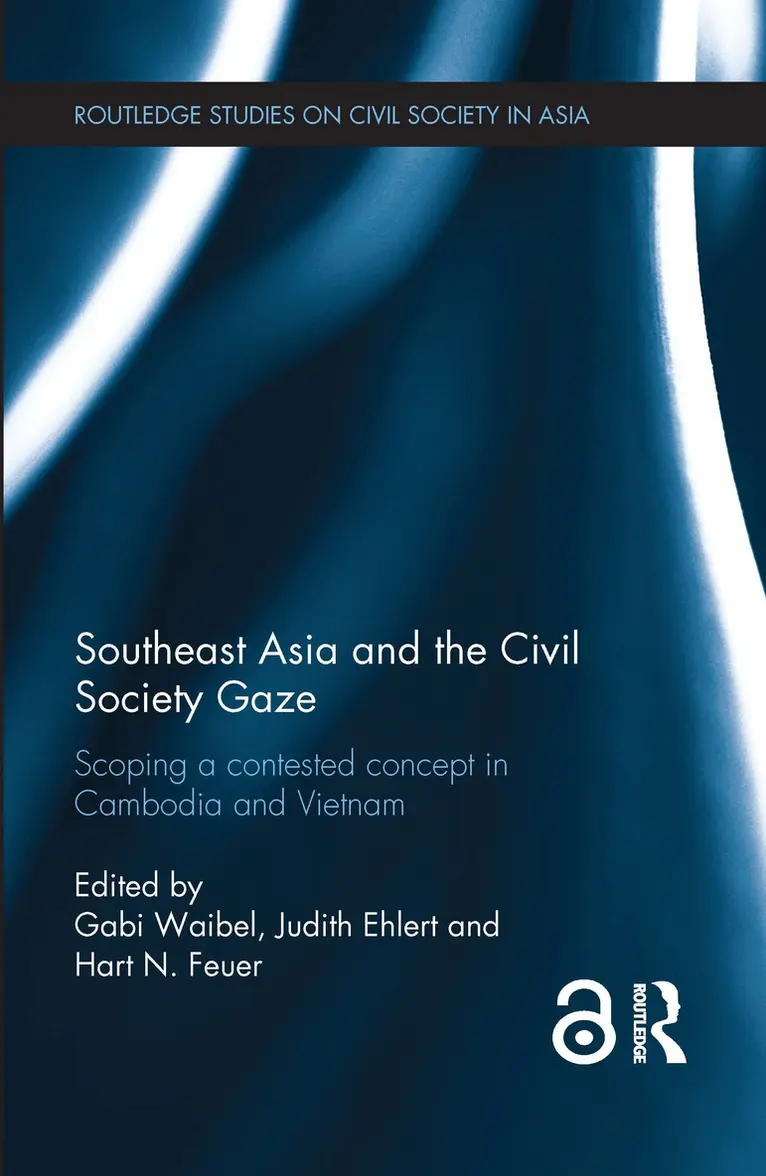
As developing countries with recent histories of isolation and extreme poverty, followed by restoration and reform, both Cambodia and Vietnam have seen new opportunities and demands for non-state actors to engage in and manage the effects of rapid socio-economic transformation. This book examines how in both countries, civil society actors and the state manage their relationship to one another in an environment that is continuously shaped and (re)constructed by changing legislation, collaboration and negotiation, advocacy and protest, and social control. Further, it explores the countries’ divergent experiences whilst also uncovering the underlying basis and drivers of civil society activity that are shared by Cambodia and Vietnam. Crucially, this book engages with the contested nature of civil society and how it is socially constructed through research and development activities, by looking at contemporary discourses and manifestations of civil society in the two countries, including national and community-level organisations, associations, and networks that operate in a variety of sectors, such as gender, the environment and health. Drawing on extensive fieldwork conducted in Cambodia and Vietnam, this book will be of huge interest to students and scholars of Southeast Asian studies, Southeast Asian politics, development studies and civil society.
Häftad, Engelska, 2020
637 kr
Skickas inom 5-8 vardagar
Inbunden, Engelska, 2020
695 kr
Skickas inom 5-8 vardagar
Häftad, Engelska, 2017
748 kr
Skickas inom 10-15 vardagar
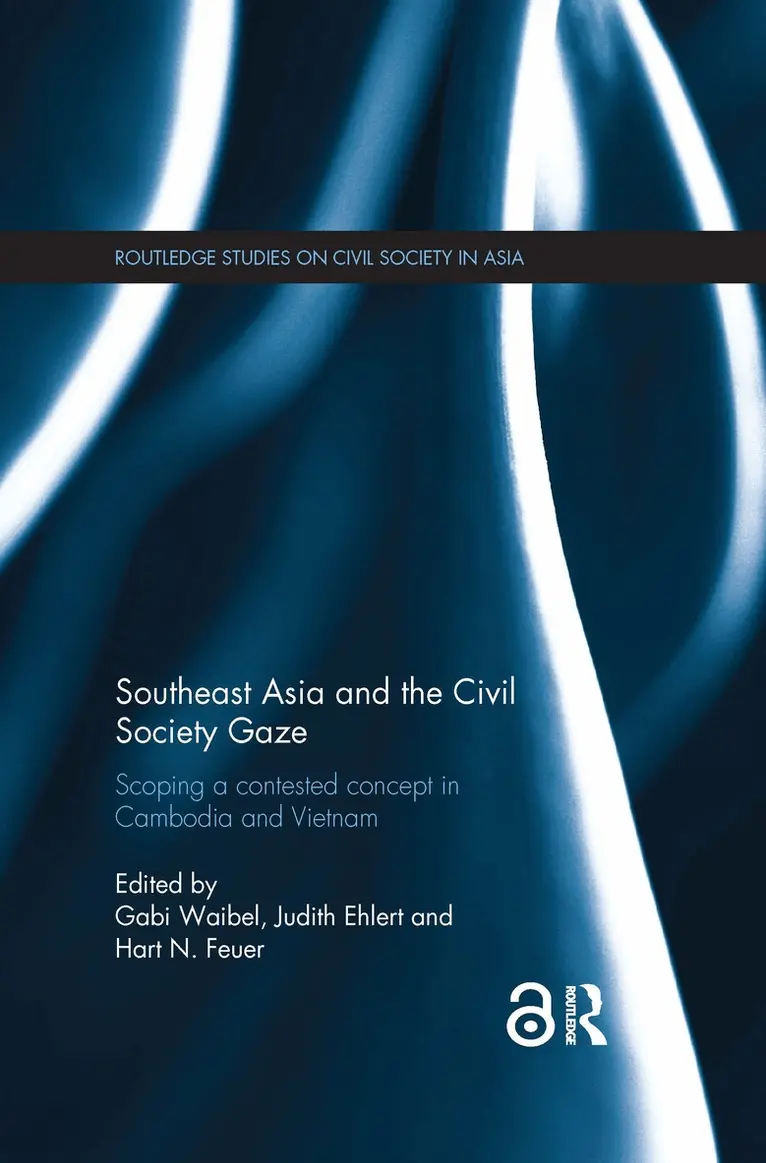
As developing countries with recent histories of isolation and extreme poverty, followed by restoration and reform, both Cambodia and Vietnam have seen new opportunities and demands for non-state actors to engage in and manage the effects of rapid socio-economic transformation. This book examines how in both countries, civil society actors and the state manage their relationship to one another in an environment that is continuously shaped and (re)constructed by changing legislation, collaboration and negotiation, advocacy and protest, and social control. Further, it explores the countries’ divergent experiences whilst also uncovering the underlying basis and drivers of civil society activity that are shared by Cambodia and Vietnam. Crucially, this book engages with the contested nature of civil society and how it is socially constructed through research and development activities, by looking at contemporary discourses and manifestations of civil society in the two countries, including national and community-level organisations, associations, and networks that operate in a variety of sectors, such as gender, the environment and health. Drawing on extensive fieldwork conducted in Cambodia and Vietnam, this book will be of huge interest to students and scholars of Southeast Asian studies, Southeast Asian politics, development studies and civil society.
Inbunden, Engelska, 2019
565 kr
Skickas inom 10-15 vardagar
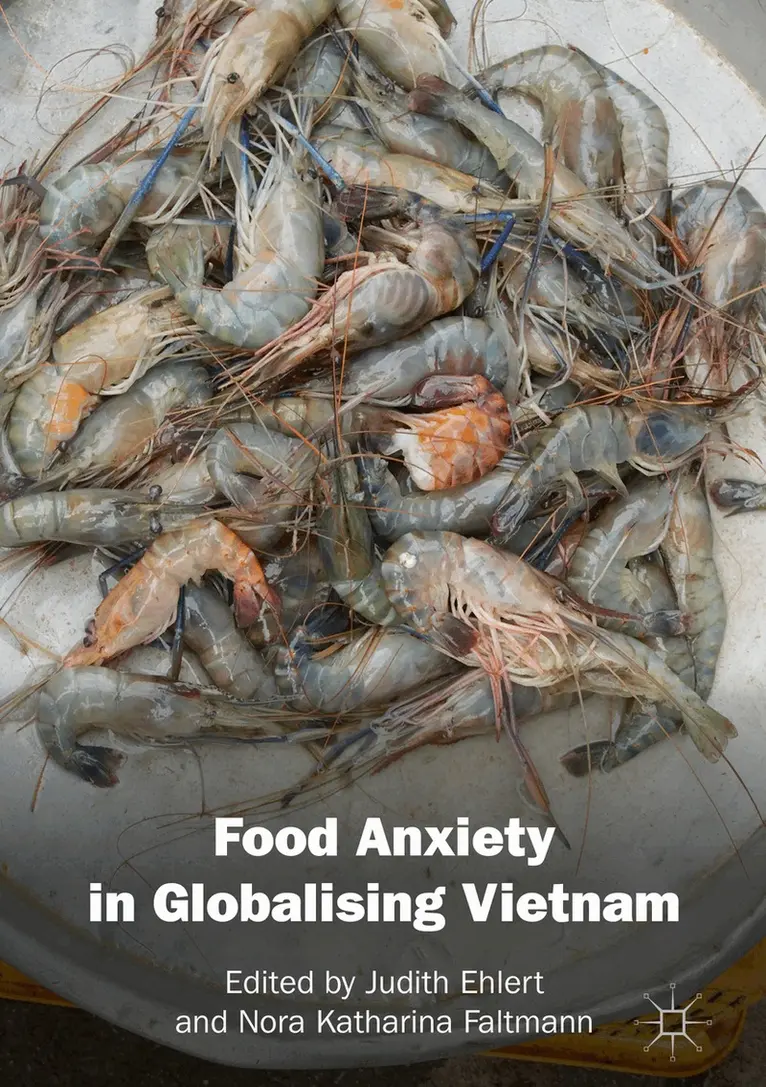
This open access book approaches the anxieties inherent in food consumption and production in Vietnam. The country’s rapid and recent economic integration into global agro-food systems and consumer markets spurred a new quality of food safety concerns, health issues and distrust in food distribution networks that have become increasingly obscured. This edited volume further puts the eating body centre stage by following how gendered body norms, food taboos, power structures and social differentiation shape people’s ambivalent relations with food. It uncovers Vietnam’s trajectories of agricultural modernisation against which consumers and producers manoeuvre amongst food self-sufficiency, security and abundance.Food Anxiety in Globalising Vietnam is explicitly about ‘dangerous’ food – regarding its materiality and meaning. It provides social science perspectives on anxieties related to food and surrounding discourses that travel between the local and the global, the individual and society and into the body. Therefore, the book’s lens of food anxiety matters for social theory and for understanding the embeddedness and discontinuities of food globalizations in Vietnam and beyond. Due to its rich empirical base, methodological approaches and thematic foci, it will appeal to scholars, practitioners and students alike.