Judith Fletcher - Böcker
Visar alla böcker från författaren Judith Fletcher. Handla med fri frakt och snabb leverans.
6 produkter
6 produkter
1 500 kr
Skickas inom 5-8 vardagar
Myths of the Underworld in Contemporary Culture: The Backward Gaze examines a series of twentieth and twenty-first century fictional works that adapt Greco-Roman myths of the catabasis, the heroic journey to the underworld. Covering a range of genres - including novels, comics, and children's culture, by authors such as Elena Ferrante, Salman Rushdie, Neil Gaiman, A. S. Byatt, Toni Morrison, and Anne Patchett - it reveals how an enduring fascination with life after death, and fantasies of accessing the world of the dead while we are still alive, manifest themselves in myriad and varied re-imaginings of the ancient descent myth. The volume begins with a detailed overview of the use of the myth by ancient authors such as Homer, Aristophanes, Vergil, and Ovid, before exploring the ways in which the narrative of a return trip to Hades by Odysseus, Aeneas, Orpheus, and Persephone can be manipulated by contemporary storytellers to fit themes of social marginality and alterity, postmodern rebellion, the position of female authors in the literary canon, and the dislocation endured by refugees, exiles, and diasporic populations. It also argues that citations of classical underworld stories can disrupt and challenge the literary canon by using media - such as comic books, children's culture, or rock music - not conventionally associated with high culture.
910 kr
Skickas inom 11-20 vardagar
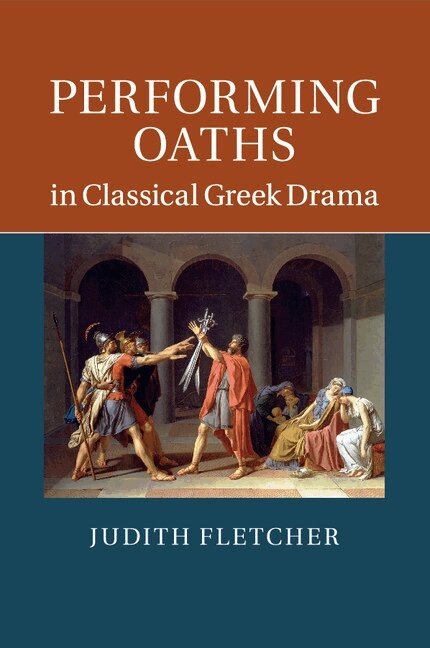
Oaths were ubiquitous rituals in ancient Athenian legal, commercial, civic and international spheres. Their importance is reflected by the fact that much of surviving Greek drama features a formal oath sworn before the audience. This is the first comprehensive study of that phenomenon. The book explores how the oath can mark or structure a dramatic plot, at times compelling characters like Euripides' Hippolytus to act contrary to their best interests. It demonstrates how dramatic oaths resonate with oath rituals familiar to the Athenian audiences. Aristophanes' Lysistrata and her accomplices, for example, swear an oath that blends protocols of international treaties with priestesses' vows of sexual abstinence. By employing the principles of speech act theory, this book examines how the performative power of the dramatic oath can mirror the status quo, but also disturb categories of gender, social status and civic identity in ways that redistribute and confound social authority.
493 kr
Skickas inom 7-10 vardagar
Oaths were ubiquitous rituals in ancient Athenian legal, commercial, civic and international spheres. Their importance is reflected by the fact that much of surviving Greek drama features a formal oath sworn before the audience. This is the first comprehensive study of that phenomenon. The book explores how the oath can mark or structure a dramatic plot, at times compelling characters like Euripides' Hippolytus to act contrary to their best interests. It demonstrates how dramatic oaths resonate with oath rituals familiar to the Athenian audiences. Aristophanes' Lysistrata and her accomplices, for example, swear an oath that blends protocols of international treaties with priestesses' vows of sexual abstinence. By employing the principles of speech act theory, this book examines how the performative power of the dramatic oath can mirror the status quo, but also disturb categories of gender, social status and civic identity in ways that redistribute and confound social authority.
269 kr
Skickas inom 10-15 vardagar
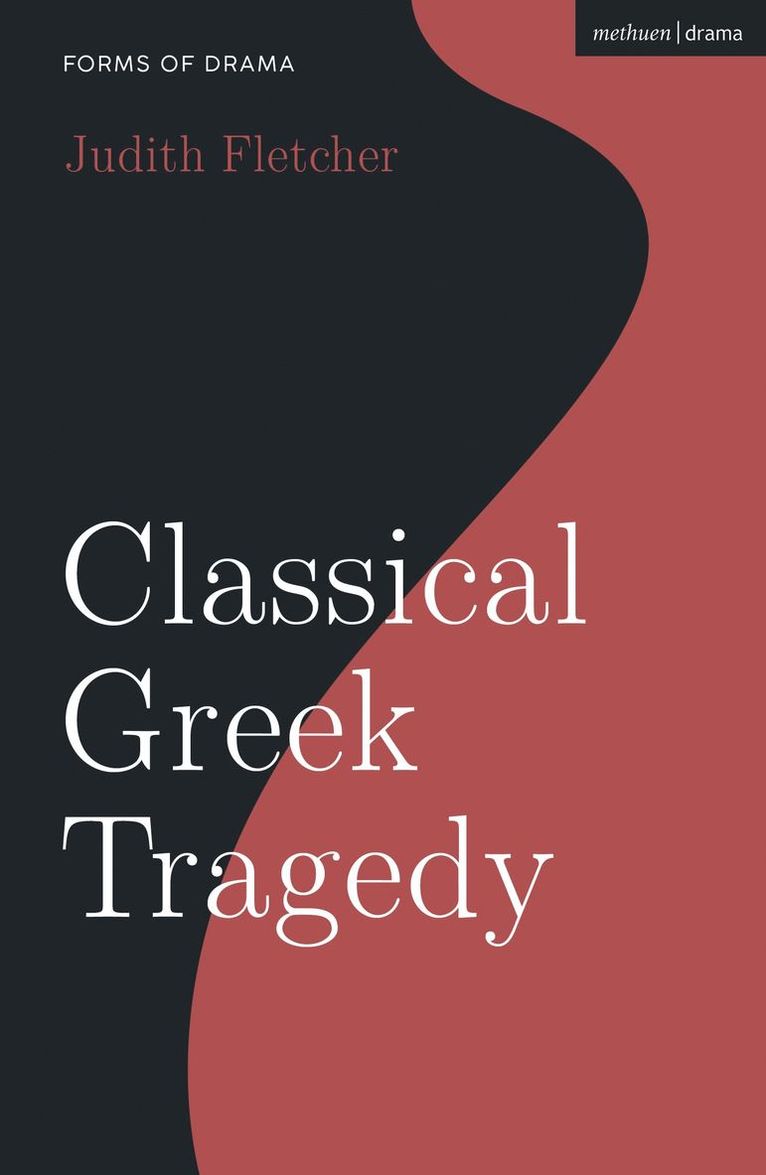
Classical Greek Tragedy offers a comprehensive survey of the development of classical Greek tragedy combined with close readings of exemplary texts. Reconstructing how audiences in fifth-century BCE Athens created meaning from the performance of tragedy at the dramatic festivals sponsored by the city-state and its wealthiest citizens, it considers the context of Athenian political and legal structures, gender ideology, religious beliefs, and other social forces that contributed to spectators’ reception of the drama. In doing so it focuses on the relationship between performers and watchers, not only Athenian male citizens, but also women and audiences throughout the ancient Mediterranean world.This book traces the historical development of these dynamics through three representative tragedies that span a 50 year period: Aeschylus’ Seven Against Thebes, Sophocles’ Oedipus Tyrannus, and Euripides’ Helen. Topics include the role of the chorus; the tragic hero; recurring mythical characters and subject matter; Aristotelian assessments of the components of tragedy; developments in the architecture of the theater and their impact on the interactions of characters, and the spaces they occupy. Unifying these discussions is the observation that the genre articulates a reality beyond the visible stage action that intersects with the characters’ existence in the present moment and resonates with the audience’s religious beliefs and collective psychology. Human voices within the performance space articulate powerful forces from an invisible dimension that are activated by oaths, hymns, curses and prayers, and respond in the form of oracles and prophecies, forms of discourse which were profoundly meaningful to those who watched the original productions of tragedy.
853 kr
Skickas inom 10-15 vardagar
Classical Greek Tragedy offers a comprehensive survey of the development of classical Greek tragedy combined with close readings of exemplary texts. Reconstructing how audiences in fifth-century BCE Athens created meaning from the performance of tragedy at the dramatic festivals sponsored by the city-state and its wealthiest citizens, it considers the context of Athenian political and legal structures, gender ideology, religious beliefs, and other social forces that contributed to spectators’ reception of the drama. In doing so it focuses on the relationship between performers and watchers, not only Athenian male citizens, but also women and audiences throughout the ancient Mediterranean world.This book traces the historical development of these dynamics through three representative tragedies that span a 50 year period: Aeschylus’ Seven Against Thebes, Sophocles’ Oedipus Tyrannus, and Euripides’ Helen. Topics include the role of the chorus; the tragic hero; recurring mythical characters and subject matter; Aristotelian assessments of the components of tragedy; developments in the architecture of the theater and their impact on the interactions of characters, and the spaces they occupy. Unifying these discussions is the observation that the genre articulates a reality beyond the visible stage action that intersects with the characters’ existence in the present moment and resonates with the audience’s religious beliefs and collective psychology. Human voices within the performance space articulate powerful forces from an invisible dimension that are activated by oaths, hymns, curses and prayers, and respond in the form of oracles and prophecies, forms of discourse which were profoundly meaningful to those who watched the original productions of tragedy.
1 897 kr
Skickas inom 7-10 vardagar
The importance of oaths to ancient Greek culture can hardly be overstated, especially in the political and judicial fields; but they have never been the object of a comprehensive, systematic study.This volume derives from a research project on the oath in ancient Greece, and comprises seventeen chapters by experts in law, in political and social history, in literary criticism, and in cross-cultural studies, exploring the subject from a broad spectrum of positions. Topics covered include the nature of ancient Greek oaths; the functions they performed within communities and in relations between them; their exploitation in literary texts and at critical moments in history; and connections between Greek oath phenomena and those of other cultures with which Greek came into contact, from the Hittites to the Romans.