Judith Herrin – författare
Visar alla böcker från författaren Judith Herrin. Handla med fri frakt och snabb leverans.
27 produkter
Byzantium
The Surprising Life of a Medieval Empire
Häftad, 2008
5,0 utav 5 stjärnor. Totalt antal röster: (1)
171 kr
Lägg i varukorg
For a thousand years an extraordinary empire made possible Europe’s transition to the modern world: Byzantium. An audacious and resilient but now little known society, it combined orthodox Christianity with paganism, classical Greek learning with Roman power, to produce a great and creative …
Ravenna
Capital of Empire, Crucible of Europe
Häftad, 2021
214 kr
Lägg i varukorg
'Magisterial - an outstanding book that shines a bright light one of the most important, interesting and under-studied cities in European history. A masterpiece.' Peter Frankopan'A wonderful new history of the Mediterranean from the fifth to eighth centuries through a lens focussed on Ravenna, …
Ravenna
Capital of Empire, Crucible of Europe
E-bok, 2020
147 kr
Lägg i varukorg
'Magisterial - an outstanding book that shines a bright light one of the most important, interesting and under-studied cities in European history. A masterpiece.' Peter Frankopan'A wonderful new history of the Mediterranean from the fifth to eighth centuries through a lens focussed on Ravenna, …
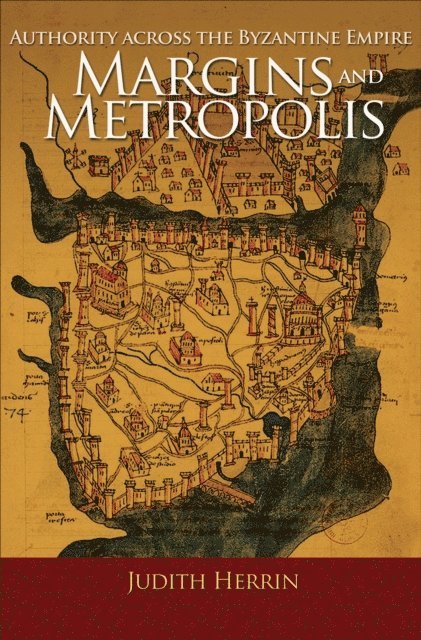
Margins and Metropolis
Authority across the Byzantine Empire
Häftad, 2015
316 kr
Lägg i varukorg
This volume explores the political, cultural, and ecclesiastical forces that linked the metropolis of Byzantium to the margins of its far-flung empire. Focusing on the provincial region of Hellas and Peloponnesos in central and southern Greece, Judith Herrin shows how the prestige of Constantinople …
Formation of Christendom
Häftad, 2021
221 kr
Lägg i varukorg
A groundbreaking history of how the Christian “West” emerged from the ancient Mediterranean worldIn this acclaimed history of Early Christendom, Judith Herrin shows how—from the sack of Rome in 410 to the coronation of Charlemagne in 800—the Christian “West” grew out of an ancient Mediterranean …
Byzantium
The Surprising Life of a Medieval Empire
E-bok, 2008
5,0 utav 5 stjärnor. Totalt antal röster: (1)
108 kr
Lägg i varukorg
For a thousand years an extraordinary empire made possible Europe’s transition to the modern world: Byzantium. An audacious and resilient but now little known society, it combined orthodox Christianity with paganism, classical Greek learning with Roman power, to produce a great and creative …
Ravenna
Capital of Empire, Crucible of Europe
Ljudbok, 2020
206 kr
Lägg i varukorg
Brought to you by Penguin. In 402 AD, after invading tribes broke through the Alpine frontiers of Italy and threatened the imperial government in Milan, the young Emperor Honorius made the momentous decision to move his capital to a small, easy defendable city in the Po estuary - Ravenna. From then …
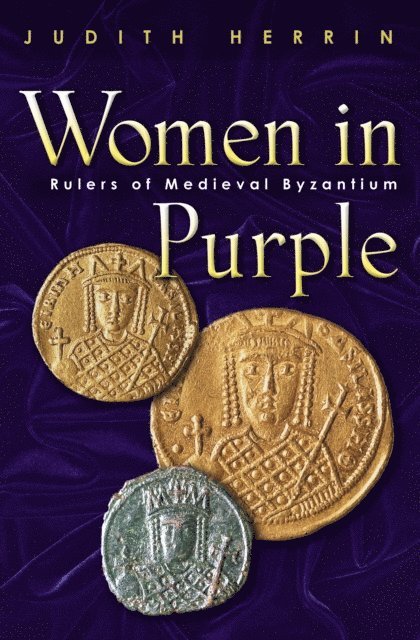
Women in Purple
Rulers of Medieval Byzantium
Häftad, 2004
378 kr
Lägg i varukorg
In the eighth and ninth centuries, three Byzantine empresses - Irene, Euphrosyne, and Theodora - changed history. Their efforts restored the veneration of icons, saving Byzantium from a symbolic and decorative art and ensuring its influence for centuries to come. This book shows how these women …
Margins and Metropolis
Authority across the Byzantine Empire
Inbunden, 2013
757 kr
Lägg i varukorg
This volume explores the political, cultural, and ecclesiastical forces that linked the metropolis of Byzantium to the margins of its far-flung empire. Focusing on the provincial region of Hellas and Peloponnesos in central and southern Greece, Judith Herrin shows how the prestige of Constantinople …
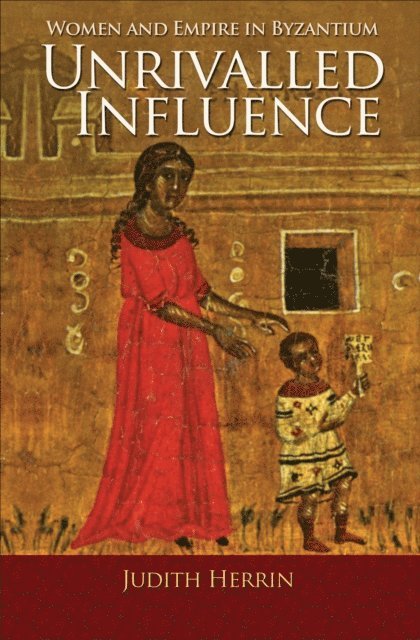
Unrivalled Influence
Women and Empire in Byzantium
Inbunden, 2013
589 kr
Lägg i varukorg
Unrivalled Influence explores the exceptional roles that women played in the vibrant cultural and political life of medieval Byzantium. Written by one of the world's foremost historians of the Byzantine millennium, this landmark book evokes the complex and exotic world of Byzantium's women, from …
Unrivalled Influence
Women and Empire in Byzantium
Häftad, 2015
307 kr
Lägg i varukorg
Unrivalled Influence explores the exceptional roles that women played in the vibrant cultural and political life of medieval Byzantium. Written by one of the world's foremost historians of the Byzantine millennium, this landmark book evokes the complex and exotic world of Byzantium's women, from …
Formation of Christendom
E-bok, 2021
286 kr
Lägg i varukorg
A groundbreaking history of how the Christian “West” emerged from the ancient Mediterranean world In this acclaimed history of Early Christendom, Judith Herrin shows how—from the sack of Rome in 410 to the coronation of Charlemagne in 800—the Christian “West” grew out of an ancient Mediterranean …
Before West and East
The Byzantine Empire in World History
Inbunden, 2027
271 kr
Kommande
A revelatory new history of Byzantium that shows it was a center of global power for a thousand years, dominating the medieval world and shaping the emergence of the Latin West and the Muslim EastThe seeds of contemporary Western culture are rightly identified with Greece, Rome, and Christianity. …
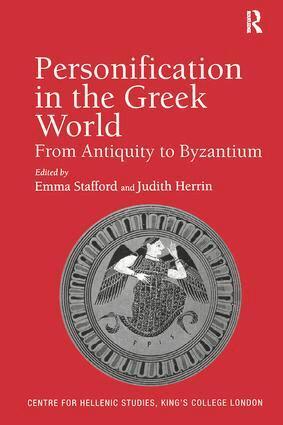
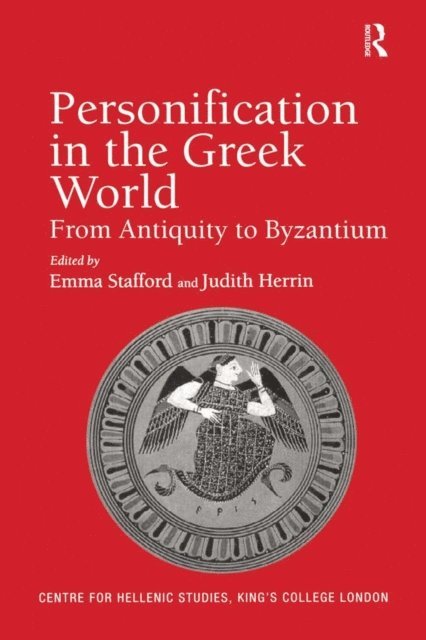
Personification in the Greek World
From Antiquity to Byzantium
Av Judith Herrin, Emma Stafford
Inbunden, 2005
2890 kr
Lägg i varukorg
Personification, the anthropomorphic representation of any non-human thing, is a ubiquitous feature of ancient Greek literature and art. Natural phenomena (earth, sky, rivers), places (cities, countries), divisions of time (seasons, months, a lifetime), states of the body (health, sleep, death), …
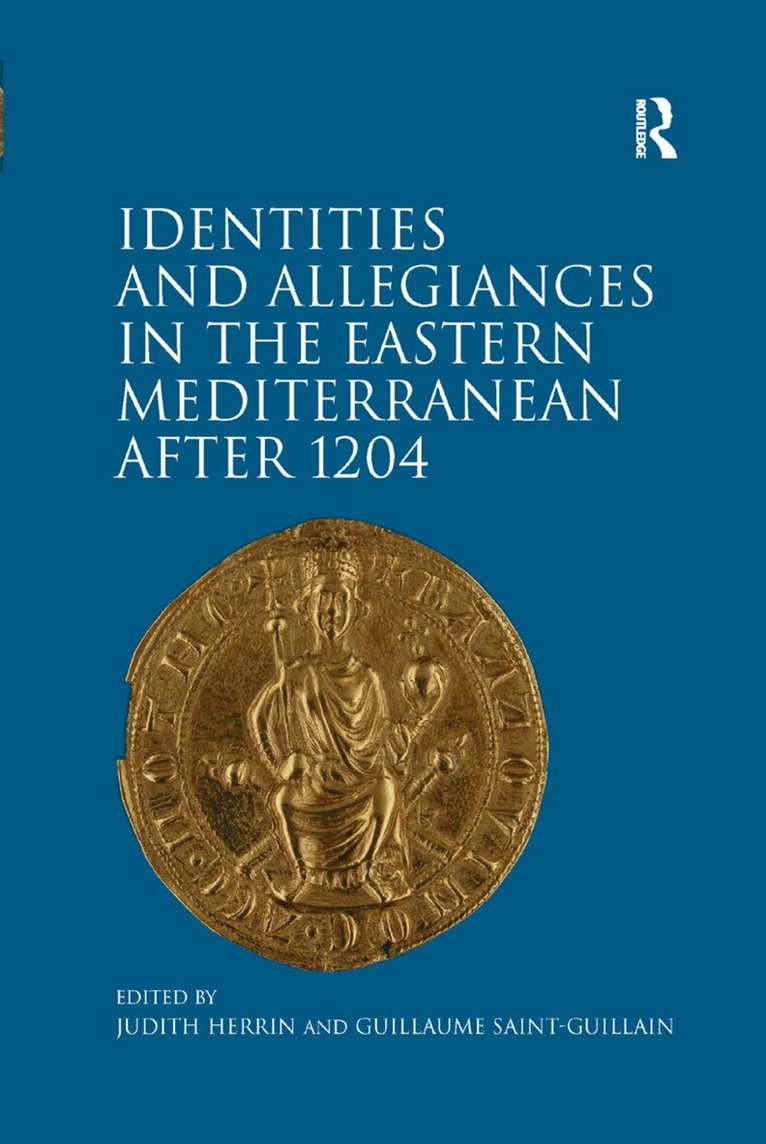
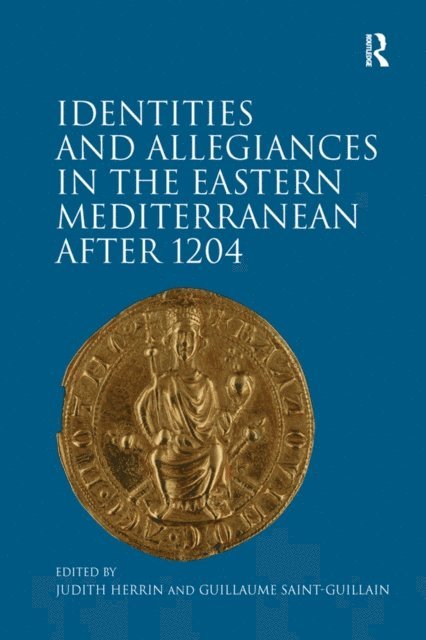
Identities and Allegiances in the Eastern Mediterranean after 1204
Av Guillaume Saint-Guillain, Judith Herrin m. fl.
Häftad, 2019
832 kr
Lägg i varukorg
This volume of studies explores a particularly complex period in Byzantine history, the thirteenth century, from the Fourth Crusade to the recapture of Constantinople by exiled leaders from Nicaea. During this time there was no Greek state based on Constantinople and so no Byzantine Empire by …
Identities and Allegiances in the Eastern Mediterranean after 1204
Av Guillaume Saint-Guillain, Judith Herrin
E-bok, 2016
981 kr
Lägg i varukorg
This volume of studies explores a particularly complex period in Byzantine history, the thirteenth century, from the Fourth Crusade to the recapture of Constantinople by exiled leaders from Nicaea. During this time there was no Greek state based on Constantinople and so no Byzantine Empire by …
Identities and Allegiances in the Eastern Mediterranean after 1204
Av Guillaume Saint-Guillain, Judith Herrin
E-bok, 2016
960 kr
Lägg i varukorg
This volume of studies explores a particularly complex period in Byzantine history, the thirteenth century, from the Fourth Crusade to the recapture of Constantinople by exiled leaders from Nicaea. During this time there was no Greek state based on Constantinople and so no Byzantine Empire by …
Personification in the Greek World
From Antiquity to Byzantium
Av Judith Herrin, Emma Stafford
E-bok, 2017
856 kr
Lägg i varukorg
Personification, the anthropomorphic representation of any non-human thing, is a ubiquitous feature of ancient Greek literature and art. Natural phenomena (earth, sky, rivers), places (cities, countries), divisions of time (seasons, months, a lifetime), states of the body (health, sleep, death), …
Personification in the Greek World
From Antiquity to Byzantium
Av Judith Herrin, Emma Stafford
E-bok, 2017
856 kr
Lägg i varukorg
Personification, the anthropomorphic representation of any non-human thing, is a ubiquitous feature of ancient Greek literature and art. Natural phenomena (earth, sky, rivers), places (cities, countries), divisions of time (seasons, months, a lifetime), states of the body (health, sleep, death), …
Women in Purple
Rulers of Medieval Byzantium
E-bok, 2021
503 kr
Lägg i varukorg
In the eighth and ninth centuries, three Byzantine empresses—Irene, Euphrosyne, and Theodora—changed history. Their combined efforts restored the veneration of icons, saving Byzantium from a purely symbolic and decorative art and ensuring its influence for centuries to come. In this exhilarating …
Unrivalled Influence
Women and Empire in Byzantium
E-bok, 2013
412 kr
Lägg i varukorg
Unrivalled Influence explores the exceptional roles that women played in the vibrant cultural and political life of medieval Byzantium. Written by one of the world''s foremost historians of the Byzantine millennium, this landmark book evokes the complex and exotic world of Byzantium''s women, from …
Margins and Metropolis
Authority across the Byzantine Empire
E-bok, 2013
441 kr
Lägg i varukorg
This volume explores the political, cultural, and ecclesiastical forces that linked the metropolis of Byzantium to the margins of its far-flung empire. Focusing on the provincial region of Hellas and Peloponnesos in central and southern Greece, Judith Herrin shows how the prestige of Constantinople …
Identities and Allegiances in the Eastern Mediterranean after 1204
Av Guillaume Saint-Guillain, Judith Herrin m. fl.
Inbunden, 2011
2594 kr
Lägg i varukorg
This volume of studies explores a particularly complex period in Byzantine history, the thirteenth century, from the Fourth Crusade to the recapture of Constantinople by exiled leaders from Nicaea. During this time there was no Greek state based on Constantinople and so no Byzantine Empire by …
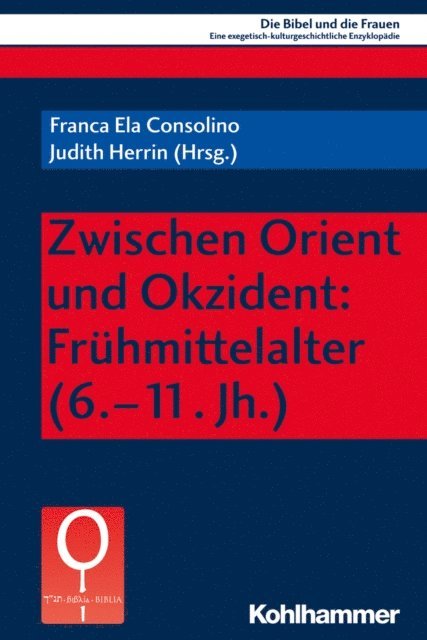
Zwischen Orient und Okzident: Frühmittelalter (6.-11. Jh.)
Av Judith Herrin, Franca Ela Consolino
E-bok, 2019
827 kr
Lägg i varukorg
Das frühe Mittelalter kannte neben der römisch-katholischen Kirche des Westens eine Vielzahl anderer christlicher Bekenntnisse - Griechische Orthodoxie, Arianismus, Monophysitismus, Donatismus, Nestorianismus. Dazu kommen Jüdinnen oder Musliminnen, die ebenfalls mit Heiligen Schriften zu tun …