Judith S. Lederman - Böcker
Visar alla böcker från författaren Judith S. Lederman. Handla med fri frakt och snabb leverans.
4 produkter
4 produkter
3 753 kr
Skickas inom 10-15 vardagar
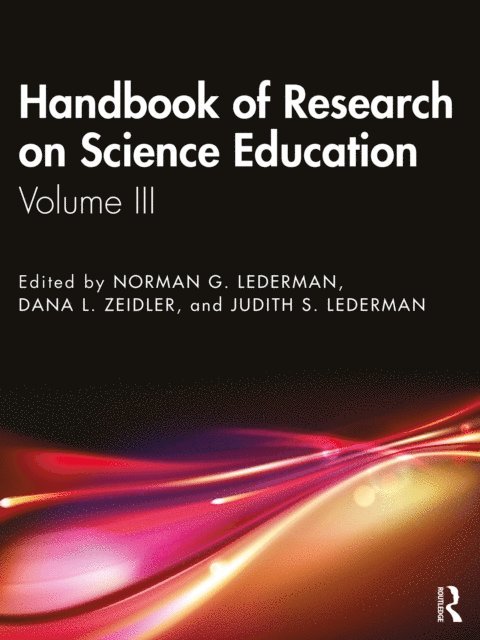
Volume III of this landmark synthesis of research offers a comprehensive, state-of-the-art survey highlighting new and emerging research perspectives in science education.Building on the foundations set in Volumes I and II, Volume III provides a globally minded, up-to-the-minute survey of the science education research community and represents the diversity of the field. Each chapter has been updated with new research and new content, and Volume III has been further developed to include new and expanded coverage on astronomy and space education, epistemic practices related to socioscientific issues,design-based research, interdisciplinary and STEM education, inclusive science education, and the global impact of nature of science and scientific inquiry literacy.As with the previous volumes, Volume III is organized around six themes: theory and methods of science education research; science learning; diversity and equity; science teaching; curriculum and assessment; and science teacher education. Each chapter presents an integrative review of the research on the topic it addresses, pulling together the existing research, working to understand historical trends and patterns in that body of scholarship, describing how the issue is conceptualized within the literature, how methods and theories have shaped the outcomes of the research, and where the strengths, weaknesses, and gaps are in the literature.Providing guidance to science education faculty, scholars, and graduate students, and pointing towards future directions of the field, Handbook of Research on Science Education Research, Volume III offers an essential resource to all members of the science education community.
1 650 kr
Skickas inom 10-15 vardagar
Volume III of this landmark synthesis of research offers a comprehensive, state-of-the-art survey highlighting new and emerging research perspectives in science education.Building on the foundations set in Volumes I and II, Volume III provides a globally minded, up-to-the-minute survey of the science education research community and represents the diversity of the field. Each chapter has been updated with new research and new content, and Volume III has been further developed to include new and expanded coverage on astronomy and space education, epistemic practices related to socioscientific issues,design-based research, interdisciplinary and STEM education, inclusive science education, and the global impact of nature of science and scientific inquiry literacy.As with the previous volumes, Volume III is organized around six themes: theory and methods of science education research; science learning; diversity and equity; science teaching; curriculum and assessment; and science teacher education. Each chapter presents an integrative review of the research on the topic it addresses, pulling together the existing research, working to understand historical trends and patterns in that body of scholarship, describing how the issue is conceptualized within the literature, how methods and theories have shaped the outcomes of the research, and where the strengths, weaknesses, and gaps are in the literature.Providing guidance to science education faculty, scholars, and graduate students, and pointing towards future directions of the field, Handbook of Research on Science Education Research, Volume III offers an essential resource to all members of the science education community.
611 kr
Skickas inom 10-15 vardagar
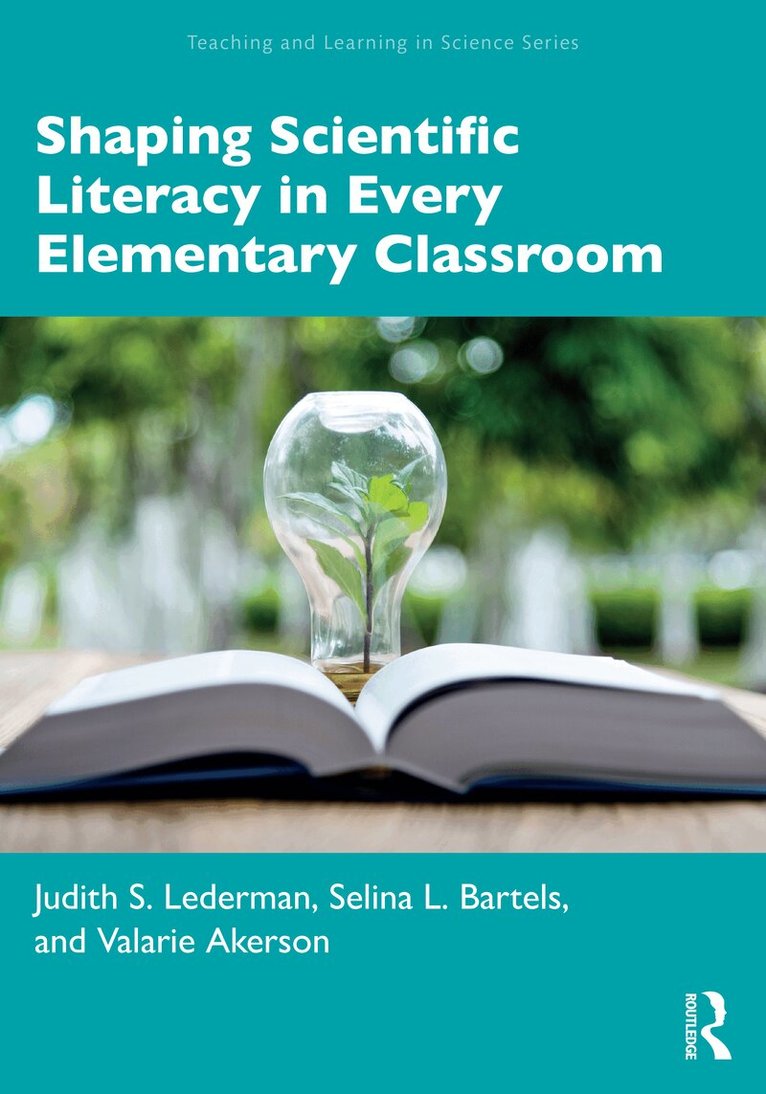
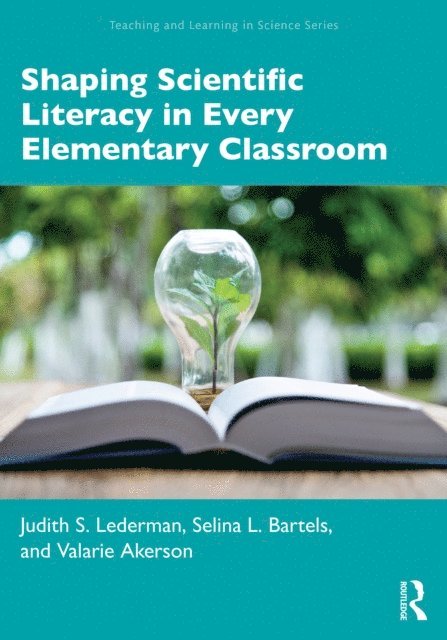
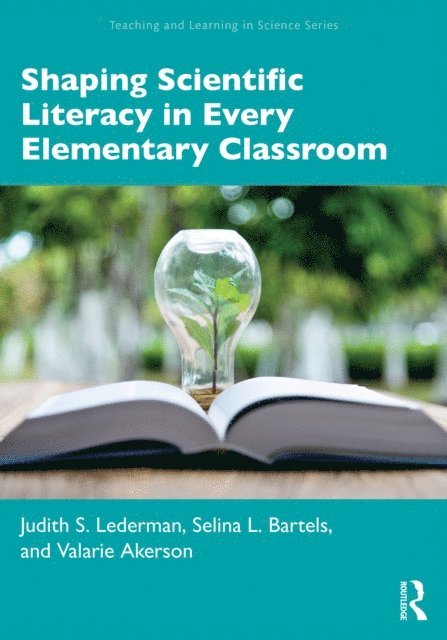
This textbook guides teachers in enacting science instruction that results in the cultivation of scientifically literate students in elementary school. Prompting discussions in the pre-service environment around what it means to be scientifically literate, this book helps teachers introduce children to their world through science and its impact on their daily lives. Chapters show teachers how to design, implement, and assess inquiry-based science instruction through lessons that authentically model real science, investigating questions with multiple solutions, and discussing how these lessons build students’ scientific literacy. Sample lessons are modeled on research and tested practice while also recognizing the need to accommodate a diverse range of students and classroom contexts. Ideal for pre-service science teachers, as well as in-service professional development, this book can be used in any elementary science methods course or wherever state or national standards require developing scientific literacy. In helping teachers produce scientifically literate students, it is a resource that enables students to have the content knowledge, attitudes, and abilities to see the role science plays in issues from the personal to the global.
2 044 kr
Skickas inom 10-15 vardagar
This textbook guides teachers in enacting science instruction that results in the cultivation of scientifically literate students in elementary school. Prompting discussions in the pre-service environment around what it means to be scientifically literate, this book helps teachers introduce children to their world through science and its impact on their daily lives. Chapters show teachers how to design, implement, and assess inquiry-based science instruction through lessons that authentically model real science, investigating questions with multiple solutions, and discussing how these lessons build students’ scientific literacy. Sample lessons are modeled on research and tested practice while also recognizing the need to accommodate a diverse range of students and classroom contexts. Ideal for pre-service science teachers, as well as in-service professional development, this book can be used in any elementary science methods course or wherever state or national standards require developing scientific literacy. In helping teachers produce scientifically literate students, it is a resource that enables students to have the content knowledge, attitudes, and abilities to see the role science plays in issues from the personal to the global.