Judith Squires - Böcker
Visar alla böcker från författaren Judith Squires. Handla med fri frakt och snabb leverans.
8 produkter
8 produkter
738 kr
Skickas inom 5-8 vardagar
`A feminist is a woman who does not allow anyone to think in her place.' Michele Le DoeuffSpanning nearly two decades (1980-1996), the six sections of this reader investigate the debates which have most characterized feminist theory to date.Including articles such as `Pornography and Fantasy', `The Body and Cinema', `Nature as Female', and `A Manifesto for Cyborgs', the extracts in Feminisms explore thoughts on sexuality as a domain of exploration, the visual representation of women, what being a feminist means, and why feminists are increasingly involved in political struggles to negotiate the context and meaning of technological development. With writing by bell hooks, Alice Jardine, and Andrea Dworkin, this multi-cultural Oxford Reader reflects the dynamic nature of feminist debates and the genuine diversity within current feminist theory.
2 338 kr
Skickas inom 5-8 vardagar
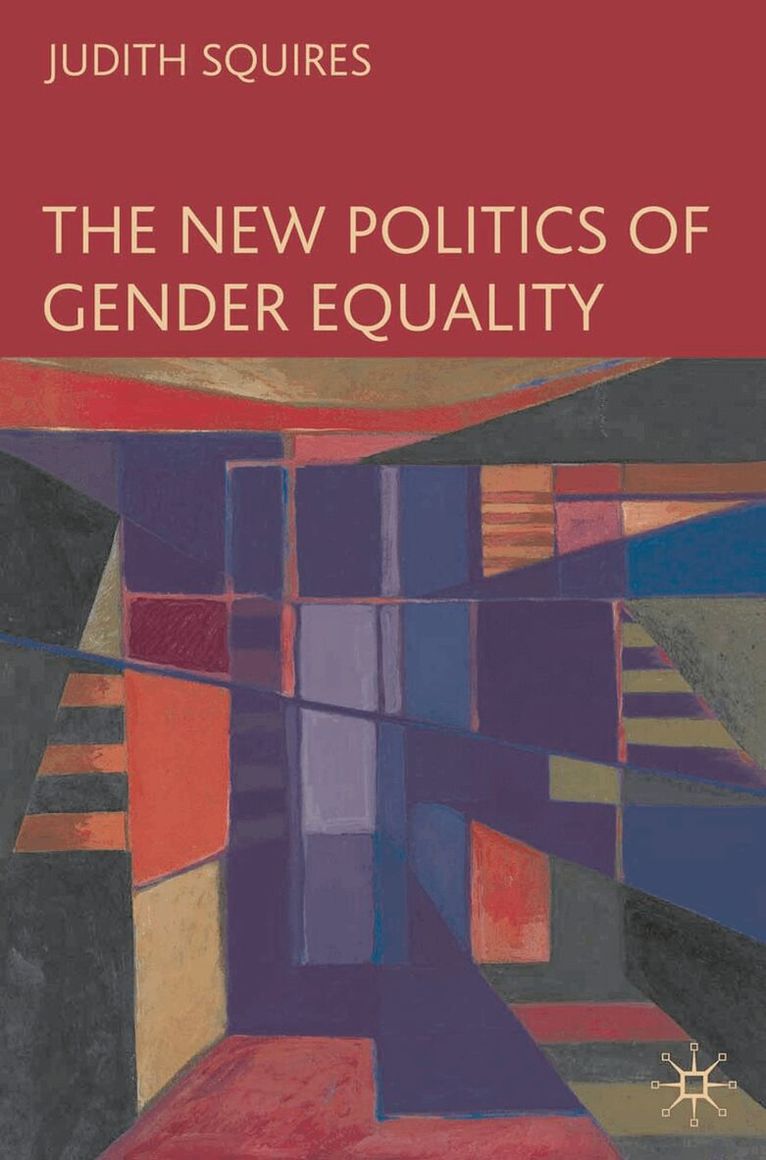
During the past decade governments around the globe have introduced institutional mechanisms to promote the advancement of women, including measures to increase women's political participation rates and to incorporate women's interests into policy-making. Why have they done so? How successful have these initiatives been? What are the emerging agendas facing gender equality advocates now?In The New Politics of Gender Equality Judith Squires examines the origins, evolution and key features of three strategies that have been employed across the world in pursuit of gender equality – quotas, policy agencies and gender mainstreaming. The author critically examines each strategy to see how far they transform political institutions and agendas and to what extent they lead rather to the assimilation of women in male-defined structures. Squires argues that a multi-pronged approach, drawing on democratic rather than technocratic strategies, offers the best potential for advancing gender equality. She highlights too the limitations of approaches that ignore inequalities among women and the challenges of developing equality initiatives to address multiple and cross-cutting inequalities between groups.Judith Squires is Professor of Political Theory, University of Bristol. She has written, researched and published widely in the field of gender politics and gender equality.
665 kr
Skickas inom 5-8 vardagar
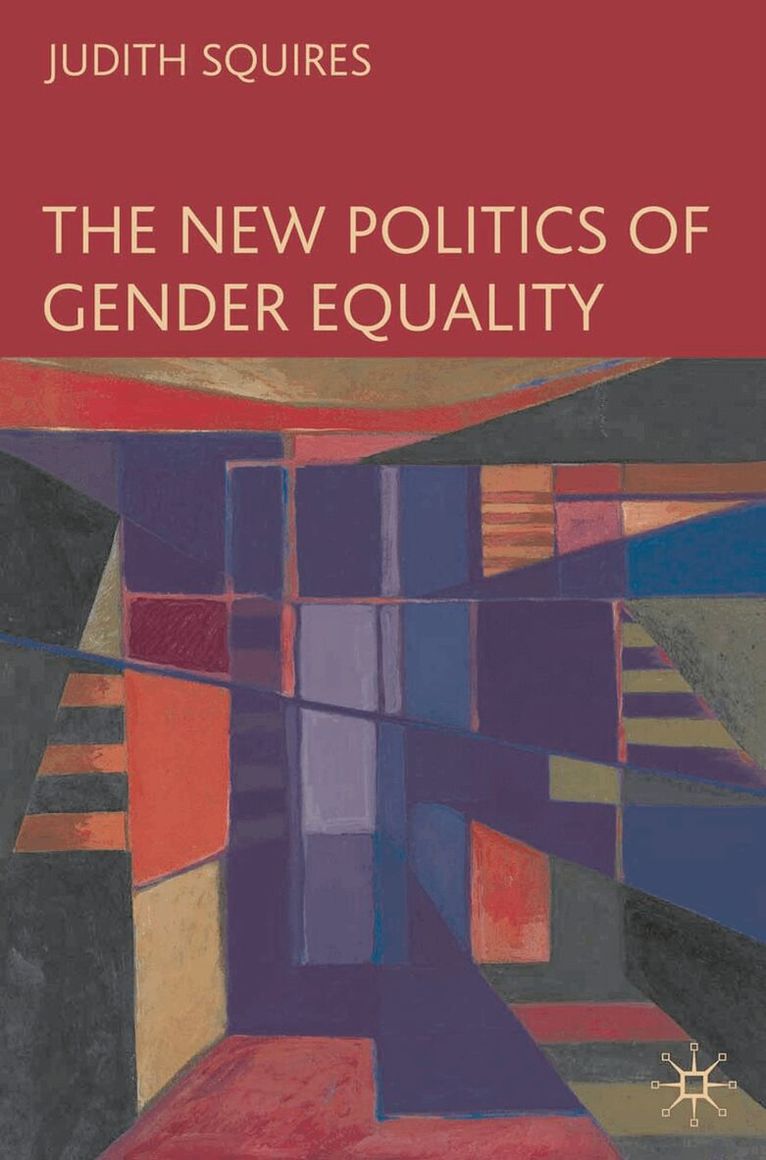
During the past decade governments around the globe have introduced institutional mechanisms to promote the advancement of women, including measures to increase women's political participation rates and to incorporate women's interests into policy-making. Why have they done so? How successful have these initiatives been? What are the emerging agendas facing gender equality advocates now?In The New Politics of Gender Equality Judith Squires examines the origins, evolution and key features of three strategies that have been employed across the world in pursuit of gender equality – quotas, policy agencies and gender mainstreaming. The author critically examines each strategy to see how far they transform political institutions and agendas and to what extent they lead rather to the assimilation of women in male-defined structures. Squires argues that a multi-pronged approach, drawing on democratic rather than technocratic strategies, offers the best potential for advancing gender equality. She highlights too the limitations of approaches that ignore inequalities among women and the challenges of developing equality initiatives to address multiple and cross-cutting inequalities between groups.Judith Squires is Professor of Political Theory, University of Bristol. She has written, researched and published widely in the field of gender politics and gender equality.
2 088 kr
Skickas inom 10-15 vardagar
This new book shows how citizenship, and its meaning and form, has become a vital site of contestation. It clearly demonstrates how whilst minority groups struggle to redefine the rights of citizenship in more pluralized forms, the responsibilities of citizenship are being reaffirmed by democratic governments concerned to maintain the common political culture underpinning the nation. In this context, one of the central questions confronting contemporary state and their citizens is how recognition of socio-cultural ‘differences’ can be integrated into a universal conception of citizenship that aims to secure equality for all. Equality policies have become a central aspect of contemporary European public policy. The ‘equality/difference’ debate has been a central concern of recent feminist theory. The need to recognize diversity amongst women, and to work with the concept of ‘intersectionality’ has become widespread amongst political theory. Meanwhile European states have each been negotiating the demands of ethnicity, disability, sexuality, religion, age and gender in ways shaped by their own institutional and cultural histories. This book was previously published as a special issue of Critical Review of International Social & Political Philosophy (CRISPP).
547 kr
Skickas inom 7-10 vardagar
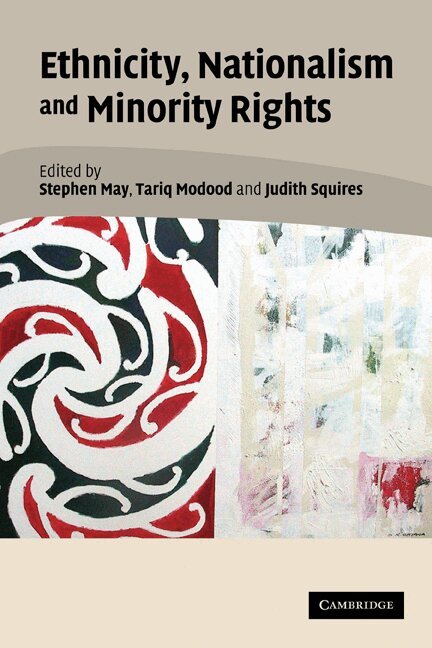
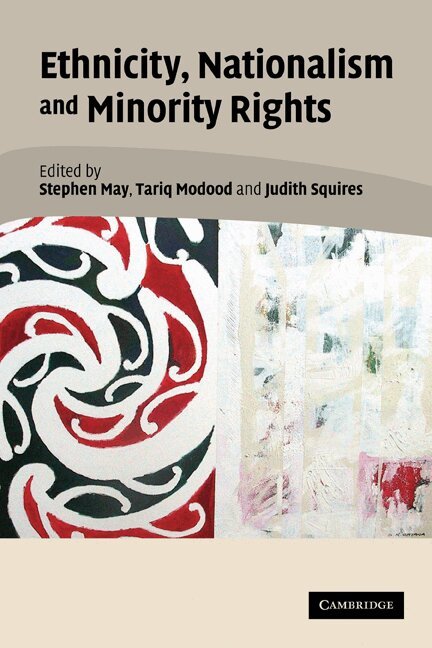
This interdisciplinary collection addresses the position of minorities in democratic societies, with a particular focus on minority rights and recognition. For the first time, it brings together leading international authorities on ethnicity, nationalism and minority rights from both social and political theory, with the specific aim of fostering further debate between the disciplines. In their introduction, the editors explore the ways in which politics and sociology can complement each other in unravelling the many contradictory aspects of complex phenomena. Topics addressed include the constructed nature of ethnicity, its relation to class and to 'new racism', different forms of nationalism, self determination and indigenous politics, the politics of recognition versus the politics of redistribution, and the re-emergence of cosmopolitanism. This book is essential reading for all those involved in the study of ethnicity, nationalism and minority rights.
810 kr
Skickas inom 7-10 vardagar
This interdisciplinary collection addresses the position of minorities in democratic societies, with a particular focus on minority rights and recognition. For the first time, it brings together leading international authorities on ethnicity, nationalism and minority rights from both social and political theory, with the specific aim of fostering further debate between the disciplines. In their introduction, the editors explore the ways in which politics and sociology can complement each other in unravelling the many contradictory aspects of complex phenomena. Topics addressed include the constructed nature of ethnicity, its relation to class and to 'new racism', different forms of nationalism, self determination and indigenous politics, the politics of recognition versus the politics of redistribution, and the re-emergence of cosmopolitanism. This book is essential reading for all those involved in the study of ethnicity, nationalism and minority rights.
251 kr
Skickas inom 11-20 vardagar
This wide-ranging and accessible book provides a thorough overview of the key debates in gender and political theory.
671 kr
Skickas inom 10-15 vardagar
This new book shows how citizenship, and its meaning and form, has become a vital site of contestation. It clearly demonstrates how whilst minority groups struggle to redefine the rights of citizenship in more pluralized forms, the responsibilities of citizenship are being reaffirmed by democratic governments concerned to maintain the common political culture underpinning the nation. In this context, one of the central questions confronting contemporary state and their citizens is how recognition of socio-cultural ‘differences’ can be integrated into a universal conception of citizenship that aims to secure equality for all. Equality policies have become a central aspect of contemporary European public policy. The ‘equality/difference’ debate has been a central concern of recent feminist theory. The need to recognize diversity amongst women, and to work with the concept of ‘intersectionality’ has become widespread amongst political theory. Meanwhile European states have each been negotiating the demands of ethnicity, disability, sexuality, religion, age and gender in ways shaped by their own institutional and cultural histories. This book was previously published as a special issue of Critical Review of International Social & Political Philosophy (CRISPP).