Judith Stepan-Norris – författare
Visar alla böcker från författaren Judith Stepan-Norris. Handla med fri frakt och snabb leverans.
6 produkter
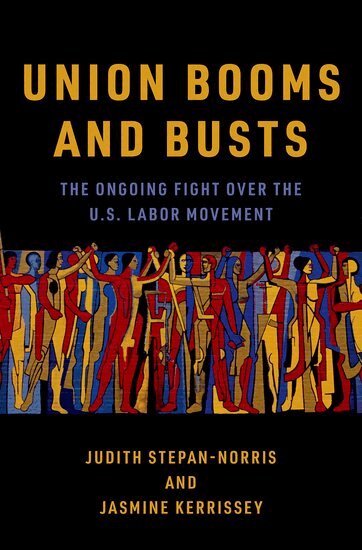
Union Booms and Busts
The Ongoing Fight Over the U.S. Labor Movement
Av Judith Stepan-Norris, Jasmine Kerrissey
Inbunden, 2023
406 kr
Lägg i varukorg
Union Booms and Busts takes a bird's eye view of the shifting fortunes of U.S. workers and their unions on the one hand, and employers and their organizations on the other. Using detailed data, this book analyses union density across 11 industries and 115 years, contrasting the organizing and union …
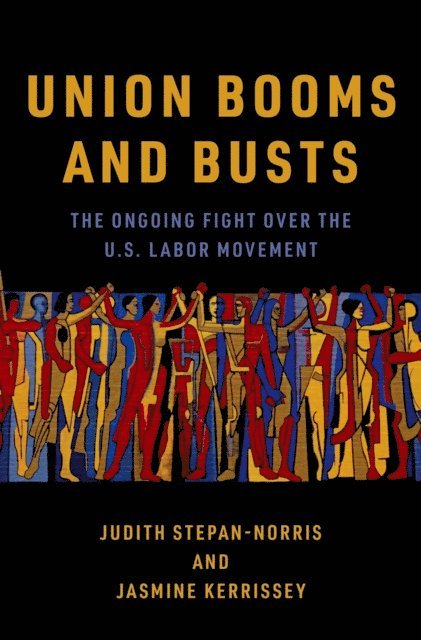
Union Booms and Busts
The Ongoing Fight Over the U.S. Labor Movement
Av Jasmine Kerrissey, Judith Stepan-Norris
E-bok, 2023
310 kr
Lägg i varukorg
Union Booms and Busts takes a bird''s eye view of the shifting fortunes of U.S. workers and their unions on the one hand, and employers and their organizations on the other. Using detailed data, this book analyses union density across 11 industries and 115 years, contrasting the organizing and …
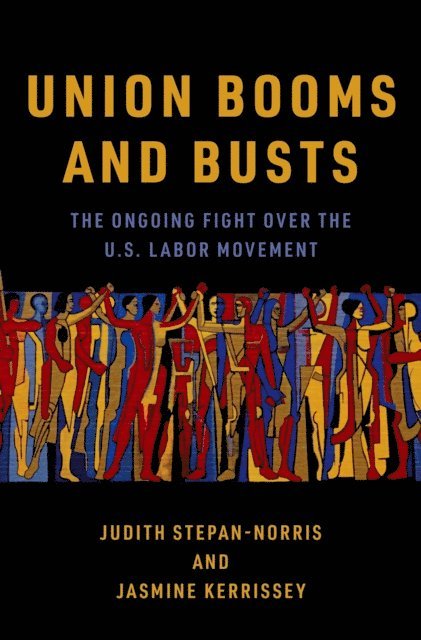
Union Booms and Busts
The Ongoing Fight Over the U.S. Labor Movement
Av Jasmine Kerrissey, Judith Stepan-Norris
E-bok, 2023
310 kr
Lägg i varukorg
Union Booms and Busts takes a bird''s eye view of the shifting fortunes of U.S. workers and their unions on the one hand, and employers and their organizations on the other. Using detailed data, this book analyses union density across 11 industries and 115 years, contrasting the organizing and …
Talking Union
Av Judith Stepan-Norris, Maurice Zeitlin
Häftad, 1996
483 kr
Lägg i varukorg
As an institutional, political,and cultural oral history of the struggle to unionize the River RougePlant near Detroit during the 1930s and 40s, this book affords us a rareinsight into the difficulties of organizing a union in the face of thethen anti-union Ford Motor Company. Against a backdrop of …
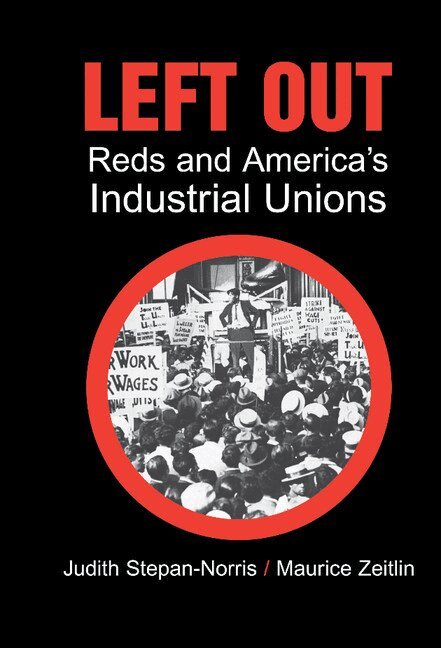
Left Out
Reds and America's Industrial Unions
Av Judith Stepan-Norris, Maurice Zeitlin
Inbunden, 2002
1872 kr
Lägg i varukorg
From the late 1930s through the mid-1950s, the Congress of Industrial Organizations (CIO) brought together America's working men and women under a united class banner. Of the 38 CIO unions, 18 were 'left-wing' or 'Communist-dominated'. Yet the political struggle between the CIO's 'Communist …
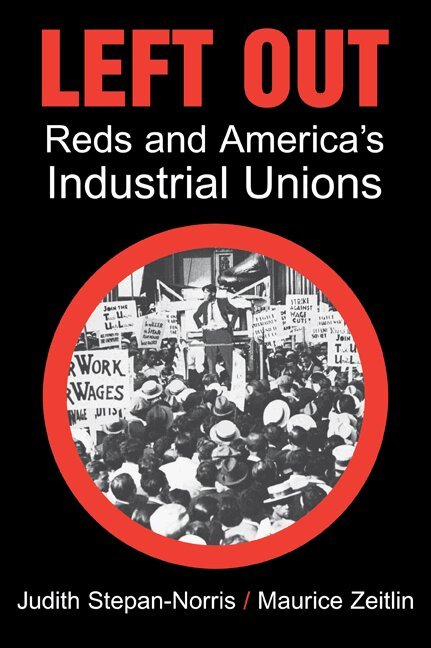
Left Out
Reds and America's Industrial Unions
Av Judith Stepan-Norris, Maurice Zeitlin
Häftad, 2002
780 kr
Lägg i varukorg
From the late 1930s through the mid-1950s, the Congress of Industrial Organizations (CIO) brought together America's working men and women under a united class banner. Of the 38 CIO unions, 18 were 'left-wing' or 'Communist-dominated'. Yet the political struggle between the CIO's 'Communist …