Judith Wiener – författare
Visar alla böcker från författaren . Handla med fri frakt och snabb leverans.
3 produkter
3 produkter
Häftad, Engelska, 2014
891 kr
Skickas inom 5-8 vardagar
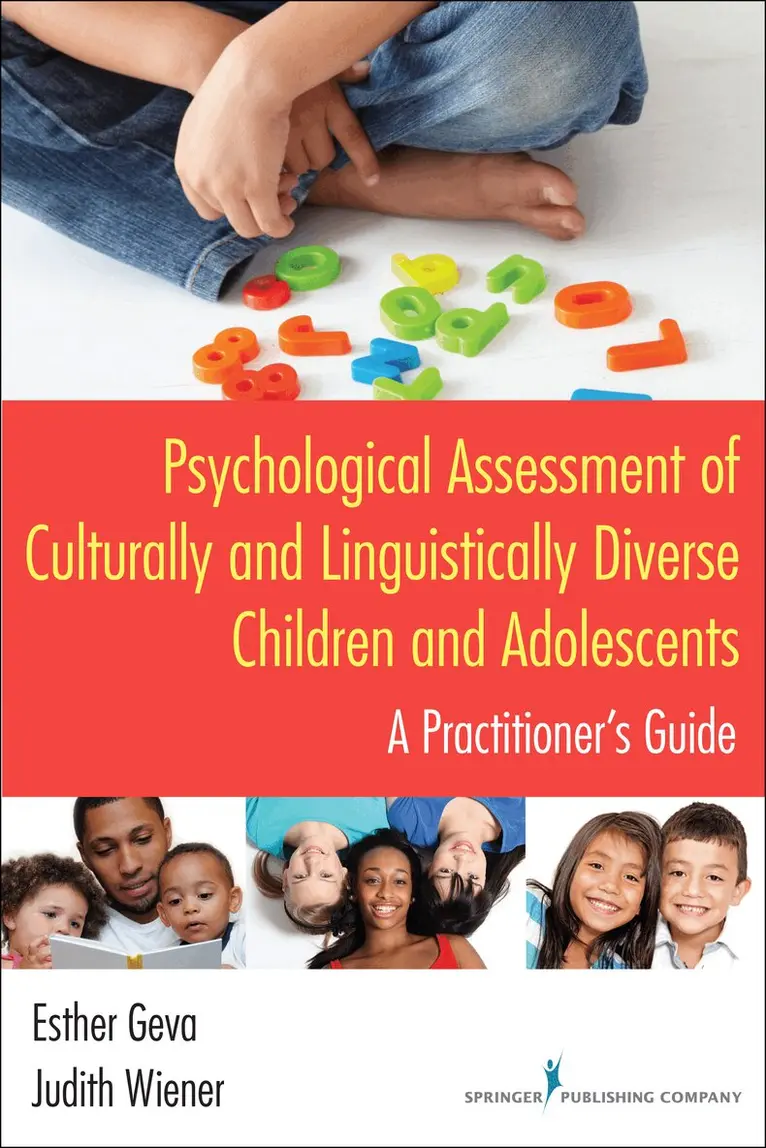
"Shifting demographics, socioeconomic contexts, and resulting policies have highlighted the needs and opportunities to better understand and serve culturally and linguistically diverse populations at the heart of school communities. In its 10 chapters, this book provides comprehensive evidence-based research to guide its conceptual framework, and its extension into practice. Ranging from the learner's development within the family dynamics, to facets of assessment that leads to effective interventions, the book integrates a tapestry that can be used to facilitate effective consultations and services." Ester Cole, PhD., CPsych, Past President, Canadian Association of School Psychologists and the Ontario Psychological Association "As Geva and Weiner point out in their new book, culturally and linguistically diverse (CLD) students are the new norm. The authors take a broad view of assessment, conceptualizing it as a tool for diagnosing struggling students' strengths and difficulties related to language as well as academic achievement, intelligence, and social emotional functioning. This book provides a much needed resource for educators who want to have a fuller understanding of the reasons why CLD students are struggling and intervene in ways that help these students reach their full potential." Diane August, PhD, Managing Researcher, American Institutes for Research This is the only text for school and clinical psychologists and other mental health professionals to provide a systematic developmental framework for assessment, diagnosis, and consultation of children and adolescents from diverse linguistic and cultural backgrounds. Reflecting the most current research and grounded in the authors' extensive experience as clinicians and educators, it provides much-needed, practical strategies for helping students who require adaptations beyond traditional psychological assessment methods. The authors describe the linguistic and cultural issues to consider when assessing students from diverse backgrounds, with a particular focus on children who are from immigrant and refugee families in addition to emerging bilingual learners and children of indigenous peoples. Specific assessment strategies are grounded in new research on the typical developmental trajectories of children who are learning a second language, how second language learning and learning disabilities affect students' academic achievement, the impact of culture and immigration experiences on cognitive, social, and emotional development, and culturally sensitive practice with children, adolescents, and families. The authors also provide a discussion of DSM-5 criteria as they relate to culturally and linguistically diverse children and adolescents. International in scope, the book provides a roadmap for assessment that includes critical elements of decision-making in diagnosis and consultation with families and school staff. Replete with case studies, the book reflects a wide range of languages and cultures. It includes checklists and rating scales, lists of questions to be used in clinical decision-making, lists of "Do's" and "Don'ts" for quick reference, and "Myth vs. Fact" features. The book also features informal instruments developed by the authors that can be accessed online. Key Features: Provides a systematic developmental framework for assessment and diagnosis of students from diverse linguistic and cultural backgrounds Offers strategies for assessment in native language and acquired language Guides practitioners in reporting on assessments and consulting with families and school staff Integrates current research on development of language and literacy of second language-learning children with discussions of key issues of interpreting assessment data Covers the academic, language learning, and social-emotional needs of immigrant and refugee children throughout the world Includes "Myth vs. Fact" features that discusses and refutes commonly held beliefs about development and assessment of this population
Inbunden, Engelska, 2026
2 557 kr
Skickas inom 10-15 vardagar
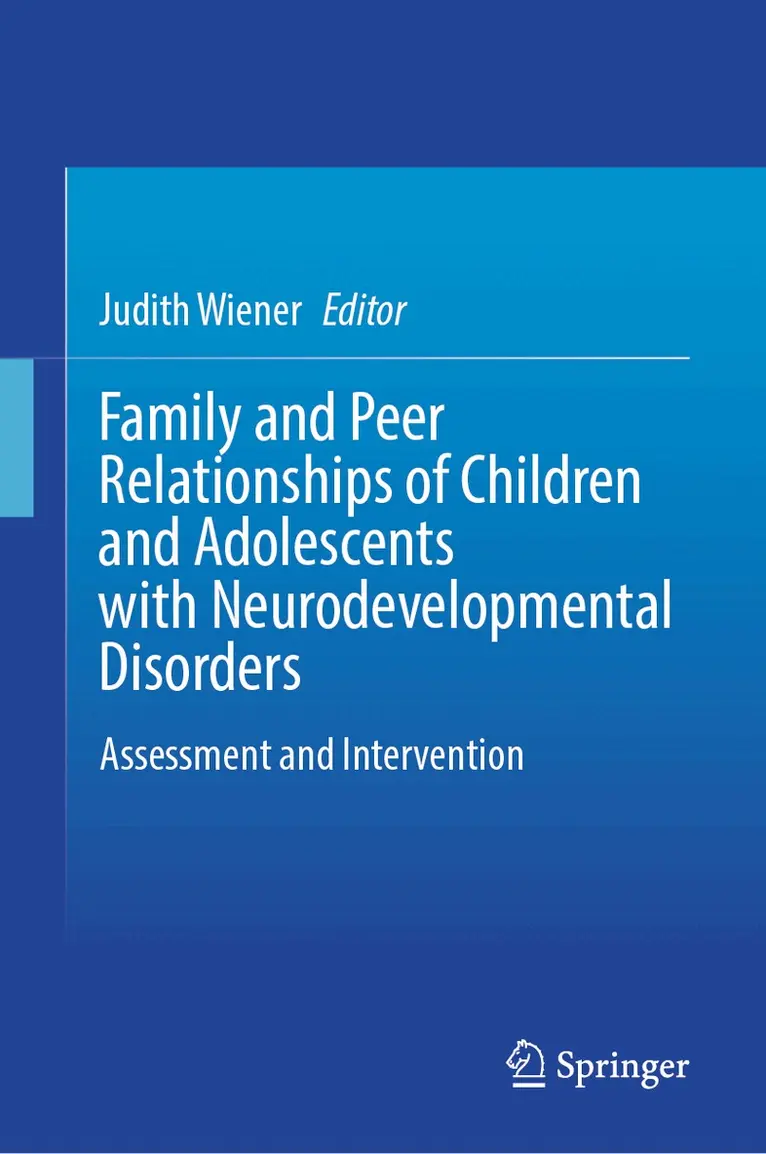
This book examines family and peer relationships of children and adolescents with neurodevelopmental disorders (ND), including ADHD, learning disabilities, autism spectrum disorder, and intellectual developmental disorder (intellectual disabilities). It uses a transdiagnostic approach to describe how the difficulties ND youth have with self-regulation, adaptive skills, academic achievement, and social skills contribute to parenting stress, parent mental health challenges, and problematic family and peer relationships. The book reviews research detailing that youth with ND have challenges with mental health and are differentially susceptible to adverse environmental factors, such as negative parenting, peer rejection and victimization, stigma, and COVID-19. It offers innovative approaches for conducting assessments of the family system and peer environment that are based on risk and resilience research. Key areas of coverage include: Predictors of parenting stress and parent mental health, including their children’s behaviors, parents’ coping strategies and social supports, culture, and stigma.Family and peer relationships as risk and protective factors for mental health and well-being of ND youth.Peer status, friendship, bullying, and romantic relationships of ND children and adolescents.Risk and protective factors associated with peer relations such as inclusive school environments and teacher attitudes and behaviors. Family and Peer Relationships of Children and Adolescents with Neurodevelopmental Disorders is an essential reference for researchers, professors, graduate students as well as clinicians, therapists, and all related professionals in developmental, clinical child, and school psychology, neuropsychology, counseling, social work, special education, developmental disabilities, behavior therapy, speech and language therapy, occupational therapy, pediatrics, and child and adolescent psychiatry.
E-bok
Engelska, 20263 251 kr
Läs direkt efter köp
This book examines family and peer relationships of children and adolescents with neurodevelopmental disorders (ND), including ADHD, learning disabilities, autism spectrum disorder, and intellectual developmental disorder (intellectual disabilities). It uses a transdiagnostic approach to describe how the difficulties ND youth have with self-regulation, adaptive skills, academic achievement, and social skills contribute to parenting stress, parent mental health challenges, and problematic family and peer relationships. The book reviews research detailing that youth with ND have challenges with mental health and are differentially susceptible to adverse environmental factors, such as negative parenting, peer rejection and victimization, stigma, and COVID-19. It offers innovative approaches for conducting assessments of the family system and peer environment that are based on risk and resilience research. Key areas of coverage include: Predictors of parenting stress and parent mental health, including their children’s behaviors, parents’ coping strategies and social supports, culture, and stigma.Family and peer relationships as risk and protective factors for mental health and well-being of ND youth.Peer status, friendship, bullying, and romantic relationships of ND children and adolescents.Risk and protective factors associated with peer relations such as inclusive school environments and teacher attitudes and behaviors. Family and Peer Relationships of Children and Adolescents with Neurodevelopmental Disorders is an essential reference for researchers, professors, graduate students as well as clinicians, therapists, and all related professionals in developmental, clinical child, and school psychology, neuropsychology, counseling, social work, special education, developmental disabilities, behavior therapy, speech and language therapy, occupational therapy, pediatrics, and child and adolescent psychiatry.