Margaret of Austria (1480-1530) was the first female regent of the Netherlands. This book uncovers her remarkable political achievements, cultural patronage, and advocacy for women, offering a fresh perspective on her legacy through overlooked primary and new secondary sources. Readers will gain an in-depth understanding of Margaret's regency under Maximilian I and Charles V, her pivotal role in electing Charles as emperor, and her contributions to peace negotiations and Habsburg governance. The book focuses on the lessons Margaret learned from strong women like Anne of France, Margaret of York, and Isabella of Spain with whom she lived early in life and later emulated, her "e;library of women"e; at the Court of Savoy where she educated girls and young women, such as Anne Boleyn, and herrole as advocate for women as evidenced by her interest and participation in the literary debate on women known as the Querelle des femmes. Her wise leadership and patronage of the arts in service of Habsburg rule led to three more Habsburg women serving as regents in the Netherlands decades later. This book is a valuable resource for historians, students, and readers interested in European political history, women's studies, and the Habsburg dynasty. It is particularly useful for those exploring female leadership, Renaissance culture, and the role of women in shaping early modern Europe.
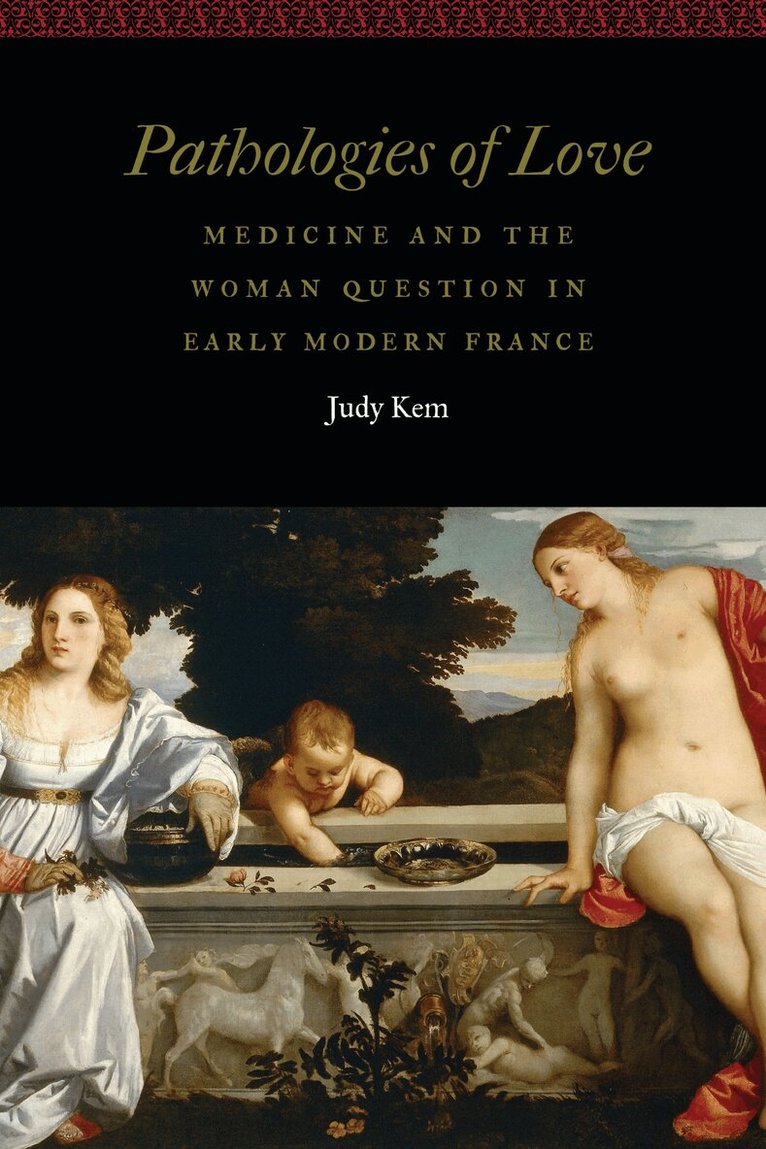
Pathologies of Love examines the role of medicine in the debate on women, known as the querelle des femmes, in early modern France. Questions concerning women’s physical makeup and its psychological and moral consequences played an integral role in the querelle. This debate on the status of women and their role in society began in the fifteenth century and continued through the sixteenth and, as many critics would say, well beyond. In querelle works early modern medicine, women’s sexual difference, literary reception, and gendered language often merge. Literary authors perpetuated medical ideas such as the notion of allegedly fatal lovesickness, and physicians published works that included disquisitions on the moral nature of women.In Pathologies of Love, Judy Kem looks at the writings of Christine de Pizan, Jean Molinet, Symphorien Champier, Jean Lemaire de Belges, and Marguerite de Navarre, examining the role of received medical ideas in the querelle des femmes. She reconstructs how these authors interpreted the traditional courtly understanding of women’s pity or mercy on a dying lover, their understanding of contemporary debates about women’s supposed sexual insatiability and its biological effects on men’s lives and fertility, and how erotomania or erotic melancholy was understood as a fatal illness. While the two women who frame this study defended women and based much of what they wrote on personal experience, the three men appealed to male authority and tradition in their writings.
Margaret of Austria (1480–1530) was the first female regent of the Netherlands. This book uncovers her remarkable political achievements, cultural patronage, and advocacy for women, offering a fresh perspective on her legacy through overlooked primary and new secondary sources. Readers will gain an in-depth understanding of Margaret’s regency under Maximilian I and Charles V, her pivotal role in electing Charles as emperor, and her contributions to peace negotiations and Habsburg governance. The book focuses on the lessons Margaret learned from strong women like Anne of France, Margaret of York, and Isabella of Spain with whom she lived early in life and later emulated, her “library of women” at the Court of Savoy where she educated girls and young women, such as Anne Boleyn, and herrole as advocate for women as evidenced by her interest and participation in the literary debate on women known as the Querelle des femmes. Her wise leadership and patronage of the arts in service of Habsburg rule led to three more Habsburg women serving as regents in the Netherlands decades later. This book is a valuable resource for historians, students, and readers interested in European political history, women’s studies, and the Habsburg dynasty. It is particularly useful for those exploring female leadership, Renaissance culture, and the role of women in shaping early modern Europe.
Margaret of Austria (1480-1530) was the first female regent of the Netherlands. This book uncovers her remarkable political achievements, cultural patronage, and advocacy for women, offering a fresh perspective on her legacy through overlooked primary and new secondary sources. Readers will gain an in-depth understanding of Margaret's regency under Maximilian I and Charles V, her pivotal role in electing Charles as emperor, and her contributions to peace negotiations and Habsburg governance. The book focuses on the lessons Margaret learned from strong women like Anne of France, Margaret of York, and Isabella of Spain with whom she lived early in life and later emulated, her "e;library of women"e; at the Court of Savoy where she educated girls and young women, such as Anne Boleyn, and herrole as advocate for women as evidenced by her interest and participation in the literary debate on women known as the Querelle des femmes. Her wise leadership and patronage of the arts in service of Habsburg rule led to three more Habsburg women serving as regents in the Netherlands decades later. This book is a valuable resource for historians, students, and readers interested in European political history, women's studies, and the Habsburg dynasty. It is particularly useful for those exploring female leadership, Renaissance culture, and the role of women in shaping early modern Europe.
Pathologies of Love examines the role of medicine in the debate on women, known as the querelle des femmes, in early modern France. Questions concerning women’s physical makeup and its psychological and moral consequences played an integral role in the querelle. This debate on the status of women and their role in society began in the fifteenth century and continued through the sixteenth and, as many critics would say, well beyond. In querelle works early modern medicine, women’s sexual difference, literary reception, and gendered language often merge. Literary authors perpetuated medical ideas such as the notion of allegedly fatal lovesickness, and physicians published works that included disquisitions on the moral nature of women.In Pathologies of Love, Judy Kem looks at the writings of Christine de Pizan, Jean Molinet, Symphorien Champier, Jean Lemaire de Belges, and Marguerite de Navarre, examining the role of received medical ideas in the querelle des femmes. She reconstructs how these authors interpreted the traditional courtly understanding of women’s pity or mercy on a dying lover, their understanding of contemporary debates about women’s supposed sexual insatiability and its biological effects on men’s lives and fertility, and how erotomania or erotic melancholy was understood as a fatal illness. While the two women who frame this study defended women and based much of what they wrote on personal experience, the three men appealed to male authority and tradition in their writings.
Margaret of Austria (1480–1530) was the first female regent of the Netherlands. This book uncovers her remarkable political achievements, cultural patronage, and advocacy for women, offering a fresh perspective on her legacy through overlooked primary and new secondary sources. Readers will gain an in-depth understanding of Margaret’s regency under Maximilian I and Charles V, her pivotal role in electing Charles as emperor, and her contributions to peace negotiations and Habsburg governance. The book focuses on the lessons Margaret learned from strong women like Anne of France, Margaret of York, and Isabella of Spain with whom she lived early in life and later emulated, her “library of women” at the Court of Savoy where she educated girls and young women, such as Anne Boleyn, and herrole as advocate for women as evidenced by her interest and participation in the literary debate on women known as the Querelle des femmes. Her wise leadership and patronage of the arts in service of Habsburg rule led to three more Habsburg women serving as regents in the Netherlands decades later. This book is a valuable resource for historians, students, and readers interested in European political history, women’s studies, and the Habsburg dynasty. It is particularly useful for those exploring female leadership, Renaissance culture, and the role of women in shaping early modern Europe.