Judy L. Baker - Böcker
Visar alla böcker från författaren Judy L. Baker. Handla med fri frakt och snabb leverans.
4 produkter
4 produkter
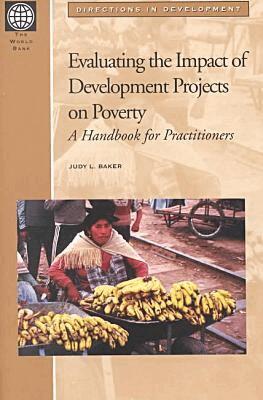
Evaluating the Impact of Development Projects on Poverty
A Handbook for Practitioners
Häftad, Engelska, 2000
447 kr
Skickas inom 10-15 vardagar
Very little is known about the actual impact of projects on the poor. Many are reluctant to carry out impact evaluations because they are deemed expensive, time consuming, and technically complex, and because the findings can be politically sensitive. Yet a rigorous evaluation can be powerful in assessing the appropriateness and effectiveness of programs. Evaluating impact is particularly critical in developing countries where resources are scarce and every dollar spent should aim to maximize its impact on poverty reduction. This handbook seeks to provide project managers and policy analysts with the tools needed for evaluating project impact. It is aimed at readers with a general knowledge of statistics. Chapter 1 presents an overview of concepts and methods, Chapter 2 discusses key steps and related issues to consider in implementation, Chapter 3 illustrates various analytical techniques through a case study, and Chapter 4 includes a discussion of lessons that have been reviewed for this handbook. The case studies, included in Annex I, were selected from a range of evaluations carried out by the Bank, other donor agencies, research institutions, and private consulting firms. Also included in the annexes are samples of the main components that would be necessary in planning any impact evaluation - sample terms of reference, a budget, impact indicators, a log frame, and a matrix of analysis.
Climate Change, Disaster Risk, and the Urban Poor
Cities Building Resilience for a Changing World
Häftad, Engelska, 2012
327 kr
Skickas inom 10-15 vardagar
"Poor people living in slums are at particularly high risk from the impacts of climate change and natural hazards. They live on the most vulnerable lands within cities, typically areas that are deemed undesirable by others and are thus affordable. Residents are exposed to the impacts of landslides, sea-level rise, flooding, and other hazards. Exposure to risk is exacerbated by overcrowded living conditions, lack of adequate infrastructure and services, unsafe housing, inadequate nutrition, and poor health. These conditions can turn a natural hazard or change in climate into a disaster, and result in the loss of basic services, damage or destruction to homes, loss of livelihoods, malnutrition, disease, disability, and loss of life.
392 kr
Skickas inom 10-15 vardagar
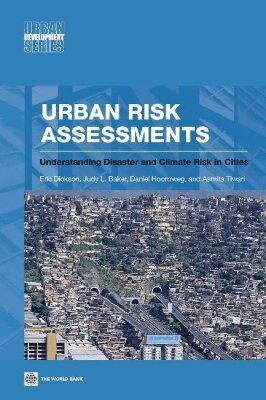
This book presents a framework, the Urban Risk Assessment, for assessing disaster and climate risk in cities which is intended to assist in decision-making, urban planning, and designing risk management programs. The approach seeks to strengthen coherence and consensus within and across cities in understanding and planning for risk from natural disasters and climate change. The target audience for this book includes policy makers, urban practitioners and technical staff, and international organizations. The Urban Risk Assessment is a flexible approach based on three reinforcing pillars that collectively contribute to the understanding of urban risk: a hazard impact assessment, an institutional assessment, and a socioeconomic assessment. The URA is designed to allow flexibility in how it is applied dependent on available financial resources, available data relating to hazards and its population, and institutional capacity of a given city. Based on the identified needs and priorities, city governments can select the most appropriate level of risk assessment. Chapters 1 and 2 of the book are aimed at policy makers with information on why and how to invest in measures that strengthen the understanding of urban risk; Chapter 1 provides background information on the growing importance of disaster and climate risk management strategies at the city level and Chapter 2 provides guidance on how to operationalize and mainstream the Urban Risk Assessment with ongoing urban management and development activities. Chapters 3 and 4 are aimed at practitioners, and provide details on the conceptual approach, components, uses, and monitoring requirements for carrying out an Urban Risk Assessment.
380 kr
Skickas inom 10-15 vardagar
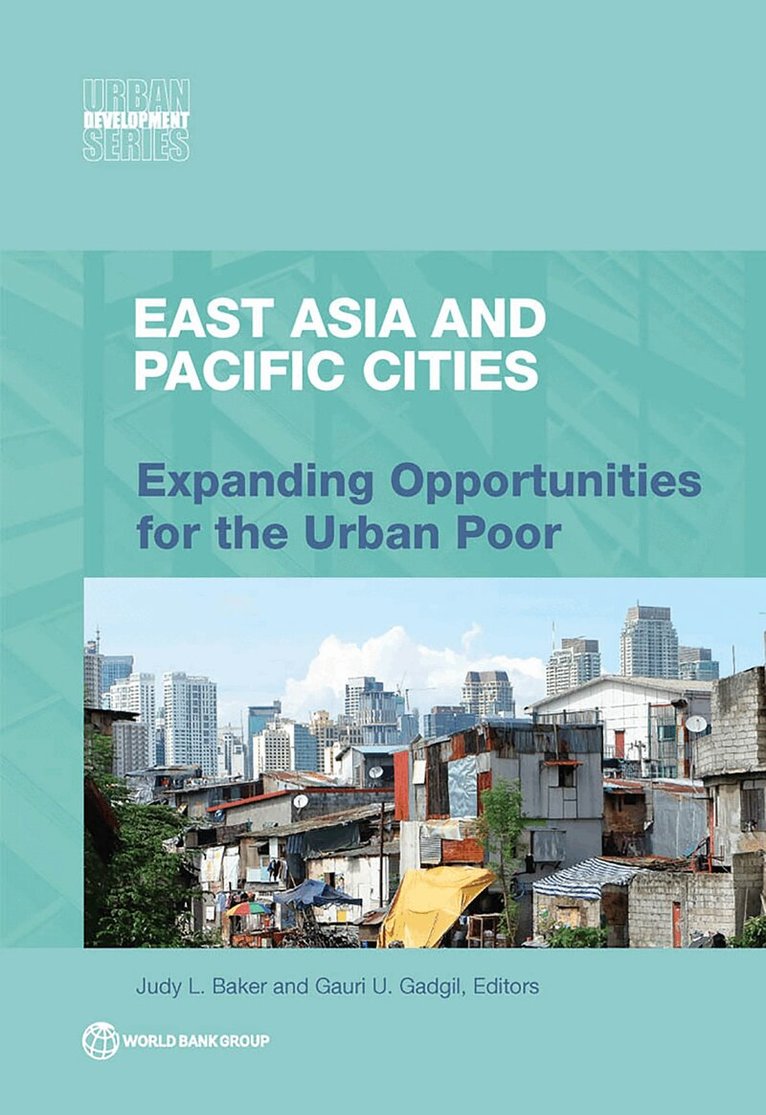
As many cities in East Asia and the Pacific prosper, some urban dwellers are left behind lacking access to housing, services, jobs and social equality.