Jules Naudet - Böcker
Visar alla böcker från författaren Jules Naudet. Handla med fri frakt och snabb leverans.
2 produkter
2 produkter
2 581 kr
Skickas inom 3-6 vardagar
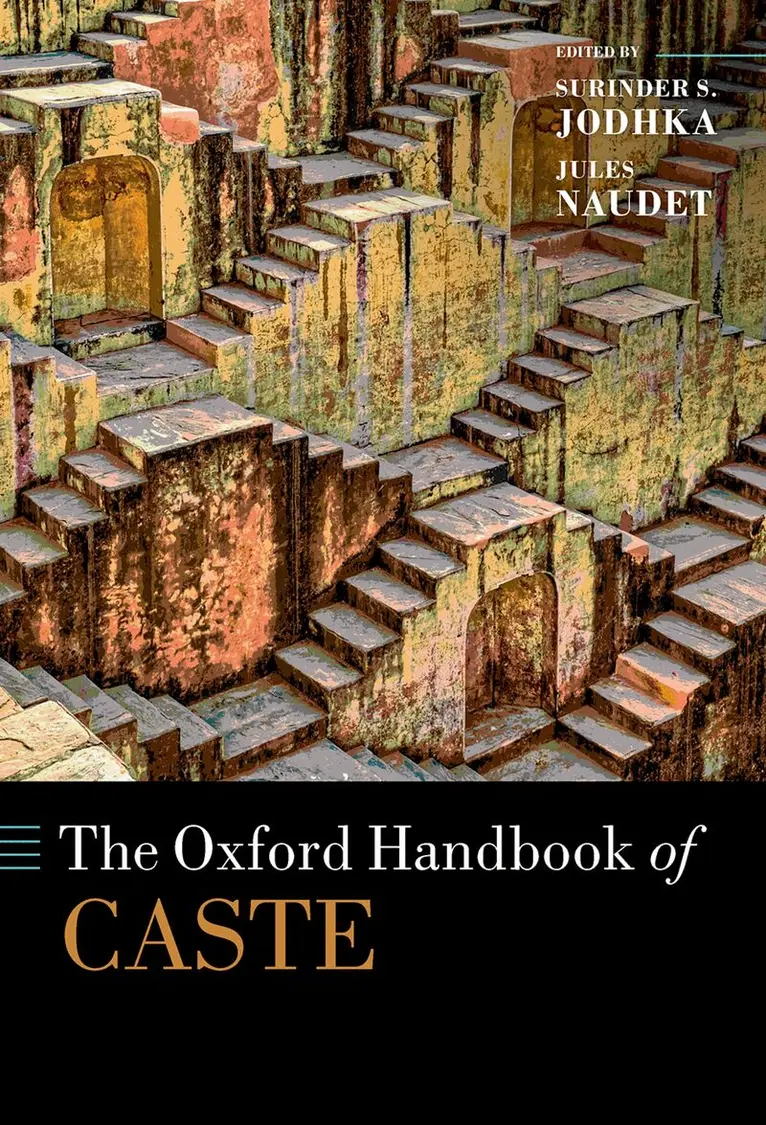
Beginning with the 1990s, the subject of caste has seen a profound increase in interest among scholars. What was until then approached as a fossilized tradition of the ritual-obsessed Hindus refusing to see the progressive spirits of the emerging world and studied as a branch of anthropology, suddenly began to be seen as a complex reality deeply embedded in a range of institutions and social practices, attracting scholars from a wide range of disciplines--sociology, political science, history, literature, and even economics. Underlying this opening of the subject of caste were many factors: epistemic, empirical, and political. Caste is no longer approached through the classical binaries of 'traditional' and 'modern'; the 'East' and the 'West'; or the 'closed' and 'open' systems of stratification. With the growing consolidation of caste-based identities among those ranked lower down in the hierarchy since the 1990s, raising questions of citizenship and dignity, the subject has acquired a new salience. As the emerging research shows, the realities of caste on the ground have always been diverse across regions, often contested and ever changing. This Handbook presents a wide range of essays written by authors representing diverse academic disciplines and perspectives, bringing together the emerging trends in the research, imaginations, and lived realities of caste.
481 kr
Skickas inom 5-8 vardagar
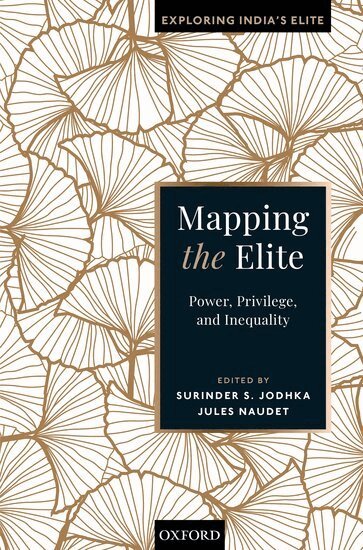
This edited volume is dedicated to the study of social, economic, and political elites in India. It's contributors address some fundamental questions regarding India's social and economic elites, the change in their composition in recent years, their relationship with each other and with the rest of the social body, and the role of caste in the configuration and reconfiguration of social and economic elites by analysing elite discourses and representations and what they reveal of their social inscription in contemporary India. The editors have sorted this book into three broad themes. The first theme concerns elite spaces which explores the uneasiness of elites to handle public and private spaces and interests. The second theme concerns the trajectories of particular elite groups such as the dominant caste called the Kammas of Andhra Pradesh, the Jats of Uttar Pradesh, and Urban elites. The third and final theme concerns elite lives and practices of diverse elite groups. This book is addressed to not only the scholar community interested in the sociology of India's elites, but to any reader interested in knowing how recent social and economic change in India affects the lives and trajectories of its elites.