Julia A. Walker – författare
Visar alla böcker från författaren Julia A. Walker. Handla med fri frakt och snabb leverans.
4 produkter
4 produkter
Del 21 - Cambridge Studies in American Theatre and Drama
Expressionism and Modernism in the American Theatre
Bodies, Voices, Words
Häftad, Engelska, 2009
563 kr
Skickas inom 7-10 vardagar
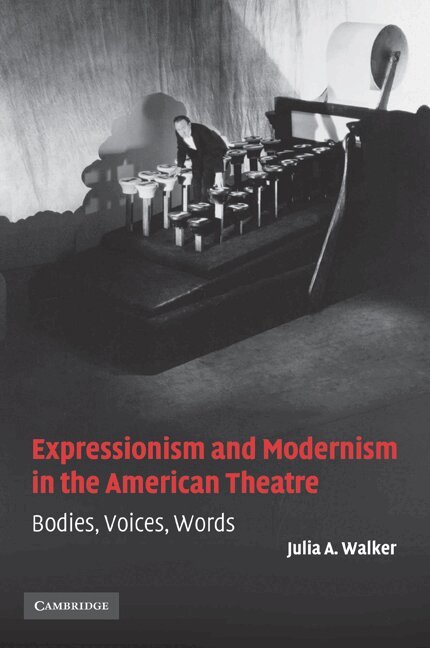
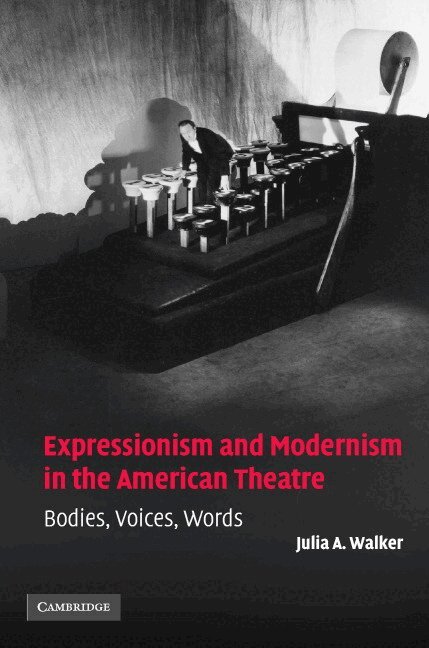
Although often dismissed as a minor offshoot of the better-known German movement, expressionism on the American stage represents a critical phase in the development of American dramatic modernism. Situating expressionism within the context of early twentieth-century American culture, Walker demonstrates how playwrights who wrote in this mode were responding both to new communications technologies and to the perceived threat they posed to the embodied act of meaning. At a time when mute bodies gesticulated on the silver screen, ghostly voices emanated from tin horns, and inked words stamped out the personality of the hand that composed them, expressionist playwrights began to represent these new cultural experiences by disarticulating the theatrical languages of bodies, voices and words. In doing so, they not only innovated a new dramatic form, but redefined playwriting from a theatrical craft to a literary art form, heralding the birth of American dramatic modernism.
Del 21 - Cambridge Studies in American Theatre and Drama
Expressionism and Modernism in the American Theatre
Bodies, Voices, Words
Inbunden, Engelska, 2005
1 323 kr
Skickas inom 7-10 vardagar
Although often dismissed as a minor offshoot of the better-known German movement, expressionism on the American stage represents a critical phase in the development of American dramatic modernism. Situating expressionism within the context of early twentieth-century American culture, Walker demonstrates how playwrights who wrote in this mode were responding both to new communications technologies and to the perceived threat they posed to the embodied act of meaning. At a time when mute bodies gesticulated on the silver screen, ghostly voices emanated from tin horns, and inked words stamped out the personality of the hand that composed them, expressionist playwrights began to represent these new cultural experiences by disarticulating the theatrical languages of bodies, voices and words. In doing so, they not only innovated a new dramatic form, but redefined playwriting from a theatrical craft to a literary art form, heralding the birth of American dramatic modernism.
1 282 kr
Skickas inom 7-10 vardagar
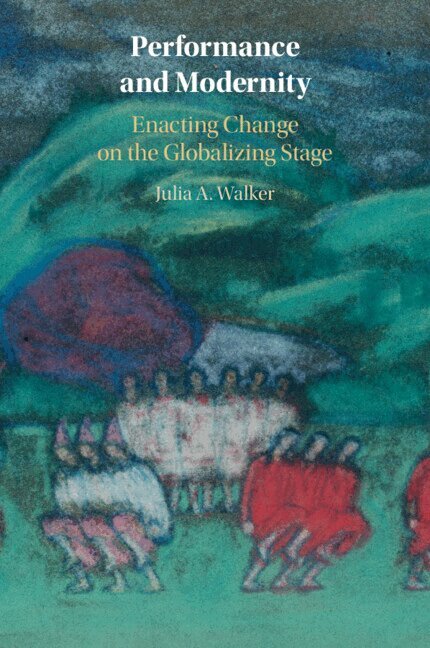
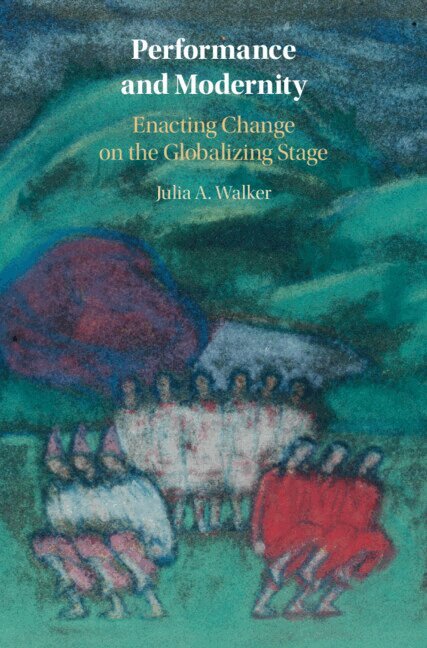
How do ideas take shape? How do concepts emerge into form? This book argues that they take shape quite literally in the human body, often appearing on stage in new styles of performance. Focusing on the historical period of modernity, Performance and Modernity: Enacting Change on the Globalizing Stage demonstrates how the unforeseen impact of economic, industrial, political, social, and psychological change was registered in bodily metaphors that took shape on stage. In new styles of performance-acting, dance, music, pageantry, avant-garde provocations, film, video and networked media-this book finds fresh evidence for how modernity has been understood and lived, both by stage actors, who, in modelling new habits, gave emerging experiences an epistemological shape, and by their audiences, who, in borrowing the strategies performers enacted, learned to adapt to a modernizing world.
319 kr
Skickas inom 7-10 vardagar
How do ideas take shape? How do concepts emerge into form? This book argues that they take shape quite literally in the human body, often appearing on stage in new styles of performance. Focusing on the historical period of modernity, Performance and Modernity: Enacting Change on the Globalizing Stage demonstrates how the unforeseen impact of economic, industrial, political, social, and psychological change was registered in bodily metaphors that took shape on stage. In new styles of performance-acting, dance, music, pageantry, avant-garde provocations, film, video and networked media-this book finds fresh evidence for how modernity has been understood and lived, both by stage actors, who, in modelling new habits, gave emerging experiences an epistemological shape, and by their audiences, who, in borrowing the strategies performers enacted, learned to adapt to a modernizing world.