Julia Bader – författare
Visar alla böcker från författaren Julia Bader. Handla med fri frakt och snabb leverans.
7 produkter
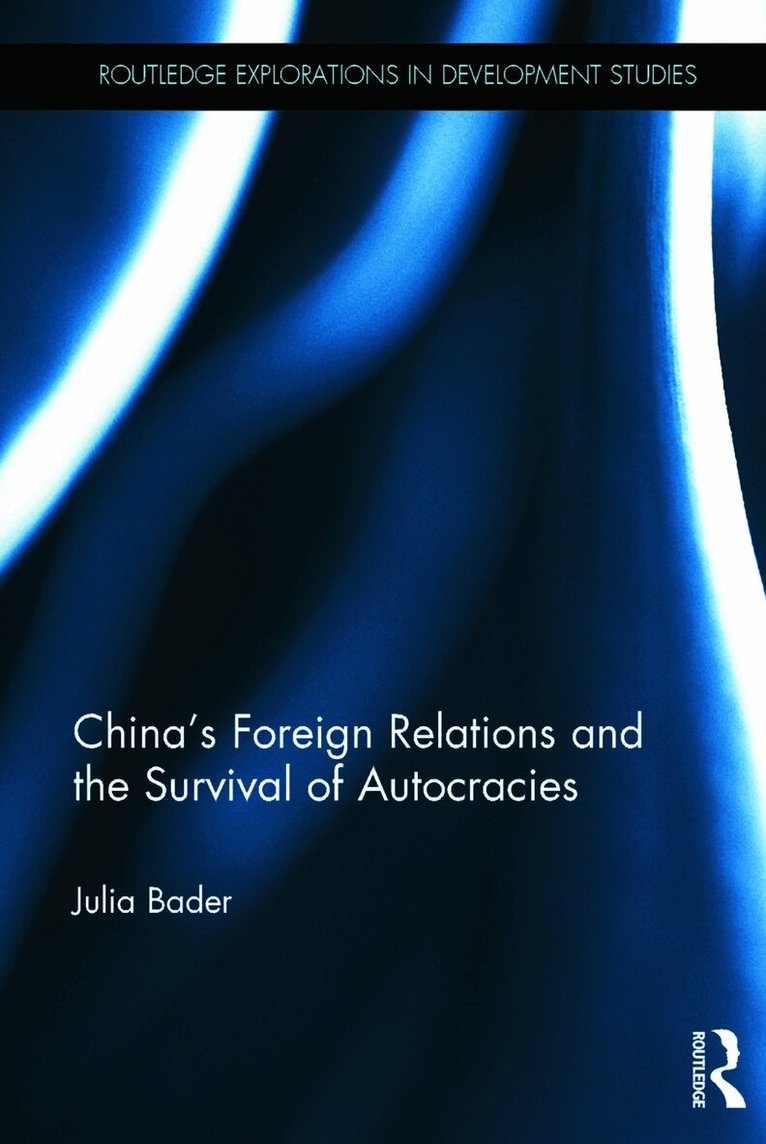
China's Foreign Relations and the Survival of Autocracies
Av Julia Bader
Inbunden, 2014
2504 kr
Lägg i varukorg
The Chinese government has frequently been criticized for propping up anti-democratic governments. This book investigates the rise of China as an emerging authoritarian power. By comparing China’s bilateral relations to three Asian developing countries – Burma, Cambodia and Mongolia – it examines …
Crystal Land
Av Julia Bader
Häftad, 1972
575 kr
Lägg i varukorg
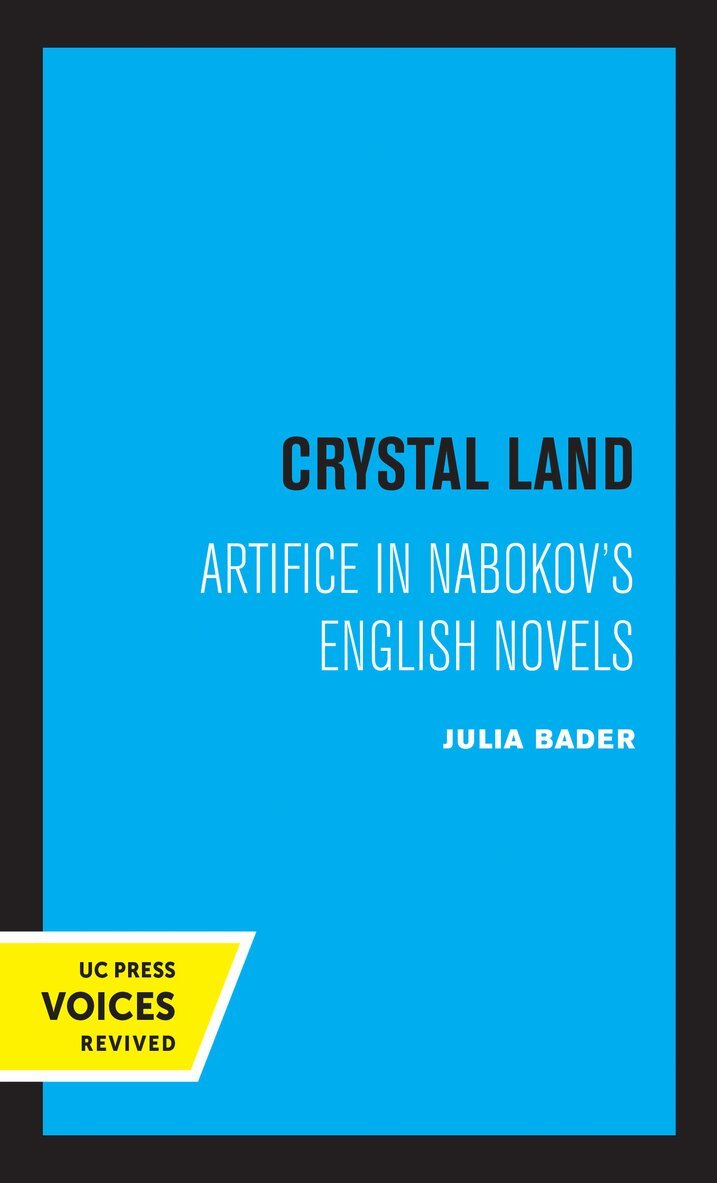
Crystal Land: Artifice in Nabokov's English Novels is an in-depth exploration of Vladimir Nabokov's use of artistry and the theme of art across his English-language novels. The book investigates how Nabokov crafts intricate worlds where fiction mirrors the creative process itself. From playful word …
Crystal Land
Av Julia Bader
Inbunden, 1972
1329 kr
Lägg i varukorg
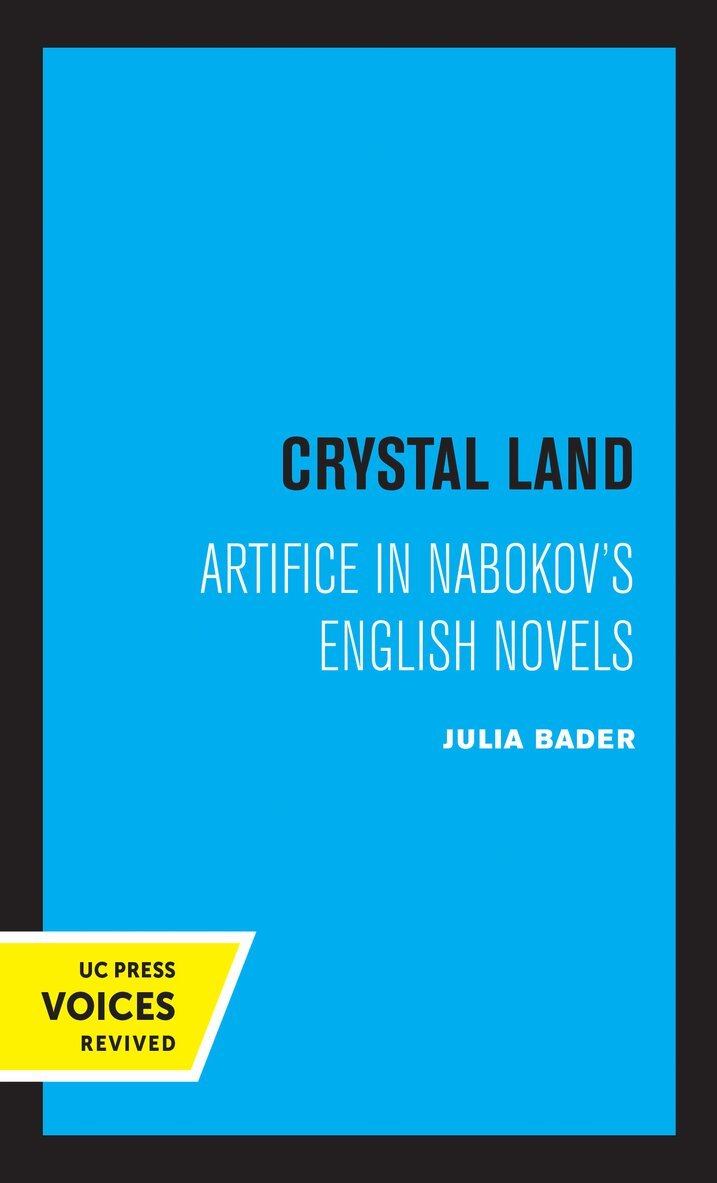
Crystal Land: Artifice in Nabokov's English Novels is an in-depth exploration of Vladimir Nabokov's use of artistry and the theme of art across his English-language novels. The book investigates how Nabokov crafts intricate worlds where fiction mirrors the creative process itself. From playful word …
China's Foreign Relations and the Survival of Autocracies
Av Julia Bader
E-bok, 2014
864 kr
Lägg i varukorg
The Chinese government has frequently been criticized for propping up anti-democratic governments. This book investigates the rise of China as an emerging authoritarian power. By comparing China’s bilateral relations to three Asian developing countries – Burma, Cambodia and Mongolia – it …
China's Foreign Relations and the Survival of Autocracies
Av Julia Bader
E-bok, 2014
883 kr
Lägg i varukorg
The Chinese government has frequently been criticized for propping up anti-democratic governments. This book investigates the rise of China as an emerging authoritarian power. By comparing China’s bilateral relations to three Asian developing countries – Burma, Cambodia and Mongolia – it …
China's Foreign Relations and the Survival of Autocracies
Av Julia Bader
Häftad, 2016
747 kr
Lägg i varukorg
The Chinese government has frequently been criticized for propping up anti-democratic governments. This book investigates the rise of China as an emerging authoritarian power. By comparing China’s bilateral relations to three Asian developing countries – Burma, Cambodia and Mongolia – it examines …
Umsatzsteuerrecht visualisiert
Av Julia Bader, Gabi Meissner m. fl.
Inbunden, 2026
681 kr
Lägg i varukorg