Julia Hörnle - Böcker
Visar alla böcker från författaren Julia Hörnle. Handla med fri frakt och snabb leverans.
4 produkter
4 produkter
1 846 kr
Skickas inom 5-8 vardagar
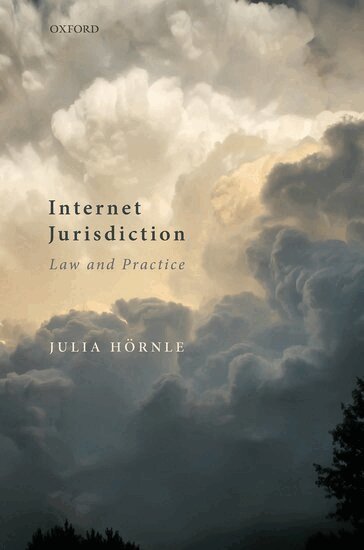
From a technological standpoint, geography is largely irrelevant. Data flows through the internet without regard for political borders or territories. Services, communication, and interaction can occur online between persons who may be in different countries. Illegal activities, like hacking, cyberespionage, propagating terrorist propaganda, defamation, revenge porn, and illegal marketplaces may all be remotely targeted and accessed from various countries. As such, the internet has created an interesting and complex set of challenges for the concept of jurisdiction and conflicts of law. This title takes a comparative approach covering the EU, UK, US, Germany, and China.Broken into four parts, this book delves into the notion of jurisdiction as it relates to the internet. Part I focuses on the different meanings of the concept of jurisdiction, from a legal and historical perspective, and distinguishing between the different branches of government. It will highlight the challenges created by the internet, including social media and cloud computing. Part II analyses criminal jurisdiction, in regards to both jurisdictions in cybercrime cases and jurisdictional issues relating to criminal investigations (access to the cloud) and enforcement. Part III examines jurisdiction and applicable law in civil and commercial matters, such as e-commerce B2B and B2C contracts, torts typically occurring online, and online defamation and privacy infringement. Finally, Part IV looks at regulatory jurisdiction, examining the power of the executive (whether an arm of government or independent regulator) to apply and enforce national law. It will look at aspects like the provision of online audio-visual media services and online gambling services, both of which are heavily regulated, but which can be easily provided remotely from different jurisdictions. The book concludes by analysing how the concept of jurisdiction should be adapted to ensure the rule of law by nation states and prevent international conflicts between states.This title gives a comprehensive look at the complicated subject of internet jurisdiction, essential for all dealing with jurisdictions in the modern age.
1 113 kr
Skickas inom 10-15 vardagar
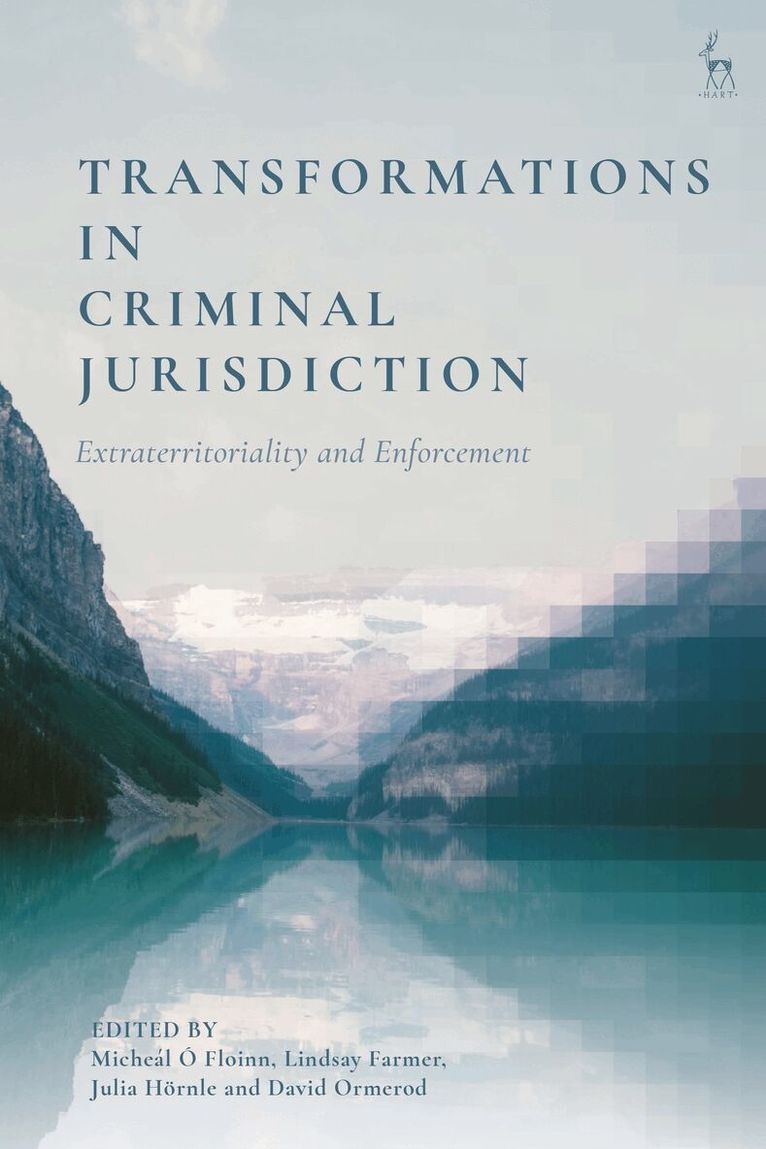
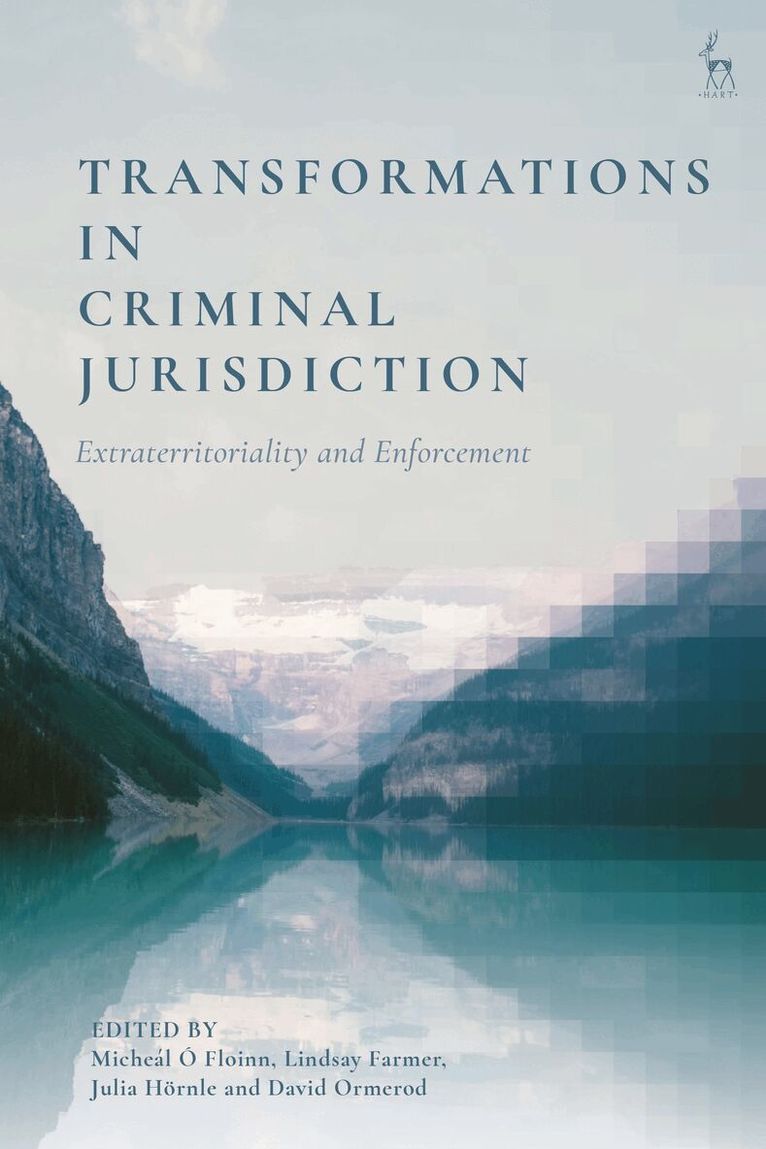
Can traditional approaches to criminal jurisdiction adapt to the new global reality of the digital era? In this innovative book, leading experts in criminal, international and internet law unite to address this fundamental question. They consider how jurisdictional regimes are orientated around concepts of territoriality and extraterritoriality, how these categories are increasingly blurred in the digital era, and how a range of jurisdictional transformations are occurring in the process.Part I presents novel doctrinal, empirical and theoretical perspectives on criminal jurisdiction, exploring how states are shaping and reimagining jurisdictional concepts in the crafting and interpretation of criminal offences, and the ramifications of increasing jurisdictional concurrency in state practice. Part II focuses on the investigative and enforcement powers of the state to assess how these issues are transforming traditional understandings of jurisdictional rules and boundaries, the challenges and opportunities that these present for law enforcement authorities, and the sorts of constraints and safeguards that may be necessary as a result. The picture that emerges is a world of jurisdictional rules in a state of flux, which demands the diversity of legal perspectives presented in this book for documenting, rationalising and moving beyond the transformations that are taking shape in modern statecraft.
535 kr
Skickas inom 10-15 vardagar
Can traditional approaches to criminal jurisdiction adapt to the new global reality of the digital era? In this innovative book, leading experts in criminal, international and internet law unite to address this fundamental question. They consider how jurisdictional regimes are orientated around concepts of territoriality and extraterritoriality, how these categories are increasingly blurred in the digital era, and how a range of jurisdictional transformations are occurring in the process.Part I presents novel doctrinal, empirical and theoretical perspectives on criminal jurisdiction, exploring how states are shaping and reimagining jurisdictional concepts in the crafting and interpretation of criminal offences, and the ramifications of increasing jurisdictional concurrency in state practice. Part II focuses on the investigative and enforcement powers of the state to assess how these issues are transforming traditional understandings of jurisdictional rules and boundaries, the challenges and opportunities that these present for law enforcement authorities, and the sorts of constraints and safeguards that may be necessary as a result. The picture that emerges is a world of jurisdictional rules in a state of flux, which demands the diversity of legal perspectives presented in this book for documenting, rationalising and moving beyond the transformations that are taking shape in modern statecraft.
1 857 kr
Skickas inom 7-10 vardagar
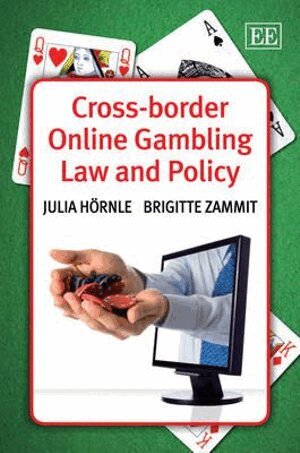
This highly topical book analyses the conflicts between different regulatory regimes governing online gambling in the international context and how these affect the cross-border provision of online gambling.States fundamentally disagree on how to regulate gambling, for moral, religious and social reasons, and therefore regulatory regimes differ, ranging from the prohibitionist to the permissive. The authors examine the latest legislation and cases concerning online gambling by comparing different regulatory models. They also explain conflict of laws issues, including which state or court is competent, which law is applicable, and what rules govern enforcement in cross-border e-gambling disputes. Invaluably, the book makes sense of the myriad of cases in the EU internal market and the WTO.This unique book represents a detailed examination of the international law issues of cross-border online gambling. It will prove to be useful for academic scholars as well as postgraduate and advanced undergraduate students. Legal advisors within the gambling sector, regulators and policymakers, government departments and agencies, as well as intergovernmental and international organizations will also find this book an enriching resource.