Julia Kiernan - Böcker
Visar alla böcker från författaren Julia Kiernan. Handla med fri frakt och snabb leverans.
3 produkter
3 produkter
560 kr
Skickas inom 10-15 vardagar
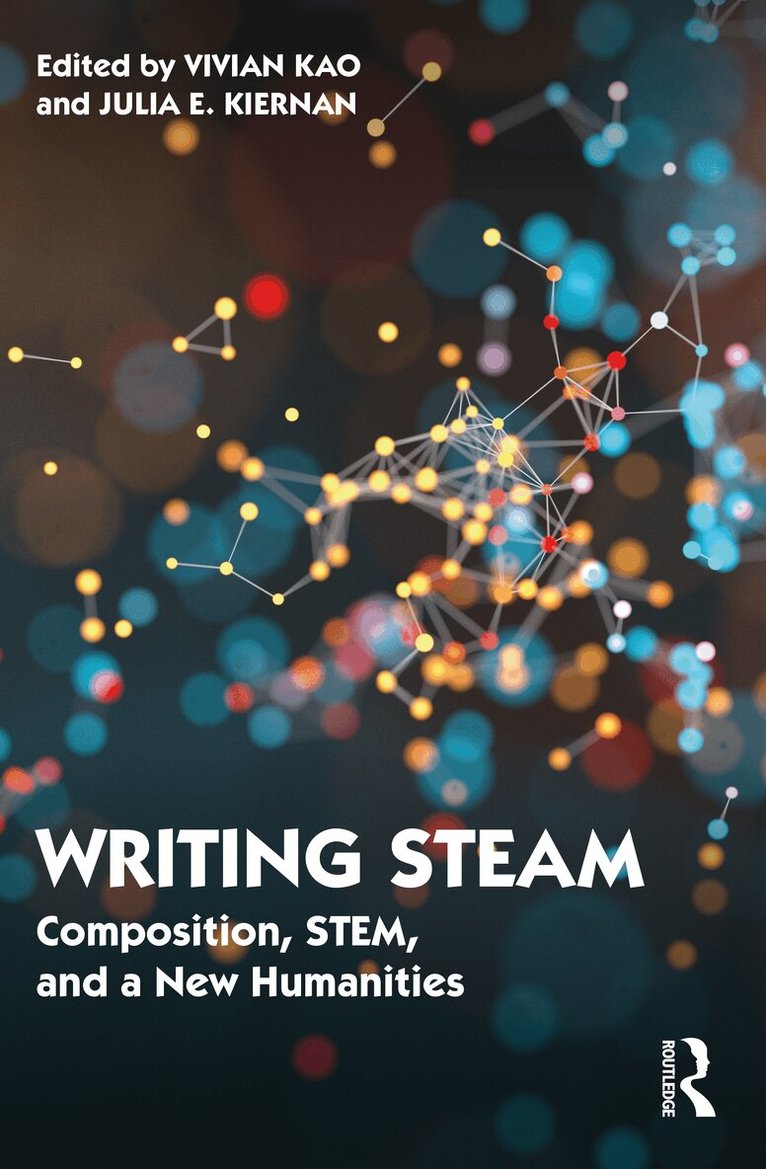
This edited collection positions writing at the center of interdisciplinary higher education, and explores how writing instruction, writing scholarship, and writing program administration bring STEM and the humanities together in meaningful, creative, and beneficial ways.Writing professionals are at the forefront of a cross-pollination between STEM (Science, Technology, Engineering, and Mathematics) and the arts and humanities. In their work as educators, scholars, and administrators, they collaborate with colleagues in engineering, scientific, technical, and health disciplines, offer new degree programs that allow students to bring the humanities to bear on design experiments, and build an academic culture that promotes a vision of the humanities in the twenty-first century, as well as a vision of technology that is decidedly human. This collection surveys and promotes that work through chapters focused on writing instruction, writing scholarship, and writing program administration, covering topics that include data-driven writing courses, public science communication, non-traditional college students, creative writing, gamification, skills transfer, and Writing Across the Curriculum programs. Writing STEAM will be essential reading for scholars, instructors, and administrators in writing studies, rhetoric and composition, STEM, and a variety of interdisciplinary programs; it will aid in teacher training for both humanities and STEM courses focused on writing and communication.
2 096 kr
Skickas inom 10-15 vardagar
This edited collection positions writing at the center of interdisciplinary higher education, and explores how writing instruction, writing scholarship, and writing program administration bring STEM and the humanities together in meaningful, creative, and beneficial ways.Writing professionals are at the forefront of a cross-pollination between STEM (Science, Technology, Engineering, and Mathematics) and the arts and humanities. In their work as educators, scholars, and administrators, they collaborate with colleagues in engineering, scientific, technical, and health disciplines, offer new degree programs that allow students to bring the humanities to bear on design experiments, and build an academic culture that promotes a vision of the humanities in the twenty-first century, as well as a vision of technology that is decidedly human. This collection surveys and promotes that work through chapters focused on writing instruction, writing scholarship, and writing program administration, covering topics that include data-driven writing courses, public science communication, non-traditional college students, creative writing, gamification, skills transfer, and Writing Across the Curriculum programs. Writing STEAM will be essential reading for scholars, instructors, and administrators in writing studies, rhetoric and composition, STEM, and a variety of interdisciplinary programs; it will aid in teacher training for both humanities and STEM courses focused on writing and communication.
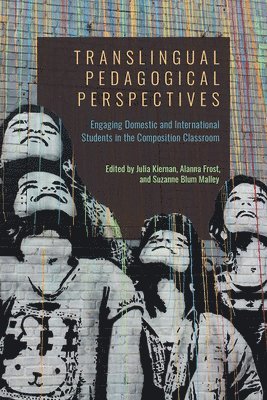
Translingual Pedagogical Perspectives
Engaging Domestic and International Students in the Composition Classroom
Häftad, Engelska, 2021
493 kr
Skickas inom 5-8 vardagar
Translingual Pedagogical Perspectives addresses the movement toward translingualism in the writing classroom and demonstrates the practical pedagogical strategies faculty can take to represent both domestic and international monolingual and multilingual students’ perspectives in writing programs. Contributors explore approaches used by diverse writing programs across the United States, insisting that traditional strategies used in teaching writing need to be reimagined if they are to engage the growing number of diverse learners who take composition classes. The book showcases concrete and adaptable writing assignments from a variety of learning environments in postsecondary, English-medium writing classrooms, writing centers, and writing programs populated by monolingual and multilingual students. By providing descriptive and reflective examples of how understanding translanguaging can influence pedagogy, Translingual Pedagogical Perspectives fills the gap between theoretical inquiry surrounding translanguaging and existing translingual pedagogical models for writing classrooms and programs. Additional appendixes provide a variety of readings, exercises, larger assignments, and other entry points, making Translingual Pedagogical Perspectives useful for instructors and graduate students interested in engaging translingual theories in their classrooms. Contributors: Daniel V. Bommarito, Mark Brantner, Tania Cepero Lopez, Emily Cooney, Norah Fahim, Ming Fang, Gregg Fields, Mathew Gomes, Thomas Lavalle, Esther Milu, Brice Nordquist, Ghanashyam Sharma, Naomi Silver, Bonnie Vidrine-Isbell, Xiqiao Wang, Dan Zhu