Julia Palmiano Federer - Böcker
Visar alla böcker från författaren Julia Palmiano Federer. Handla med fri frakt och snabb leverans.
2 produkter
2 produkter
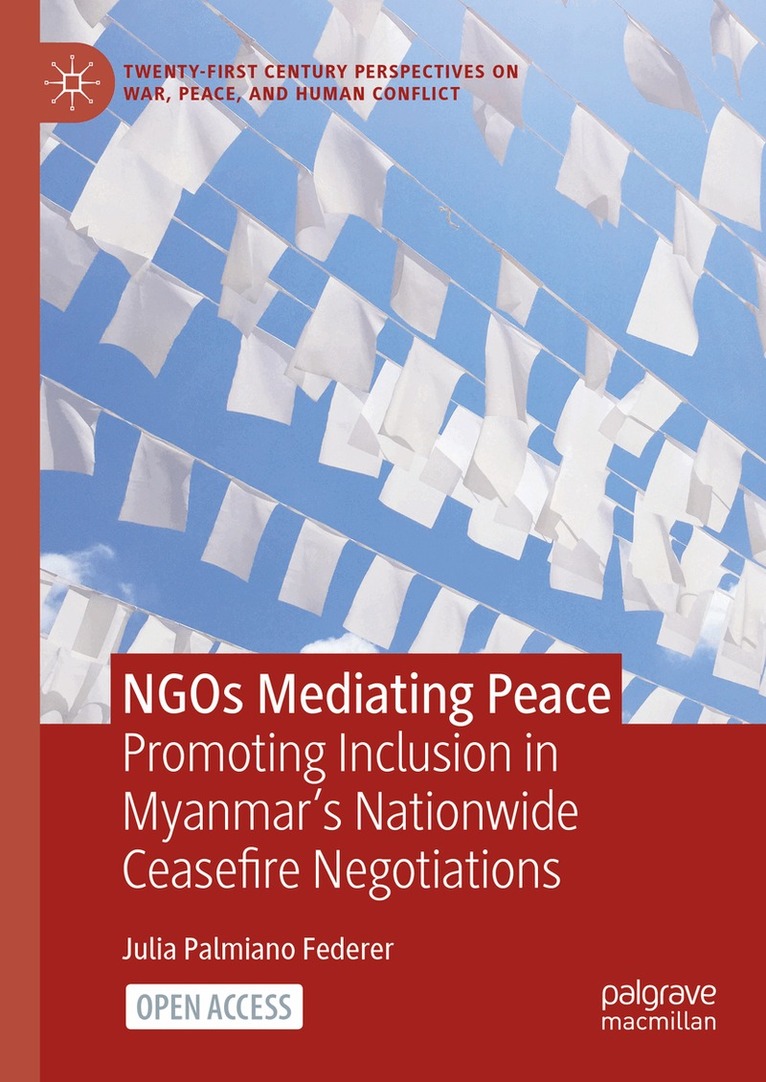
NGOs Mediating Peace
Promoting Inclusion in Myanmar’s Nationwide Ceasefire Negotiations
Inbunden, Engelska, 2023
1 276 kr
Skickas inom 10-15 vardagar
This book explores the role of nongovernmental mediators in promoting “inclusive peace” to negotiating parties in Myanmar’s Nationwide Ceasefire Agreement (NCA) negotiations from 2011-2015. The influx of NGO mediators directly engaging with the negotiating parties and promoting the inclusivity norm coupled with the salience of discourse around “all-inclusiveness” at the end of the NCA process forms a puzzle around the agency that NGO mediators wield in influencing political outcomes, despite their lack of political and material leverage.The author argues that NGO mediators can effectively promote norms, using mediation processes as a site of norm diffusion. Bespoke international conflict resolution NGOs have become key mediation actors, within the last three decades through creating the niche world of “private diplomacy” and acting as "norm entrepreneurs" at the same time. As informal third parties, these NGO mediators directly engage with politically sensitive actors or convene unofficial peace talks. As NGOs, they are part of an epistemic community of mediation practice, professionalizing the field and producing knowledge on what peace mediation is and what it ought to be. This dual identity as both NGOs and mediators nicely sets them up with a unique agency to promote and diffuse norms. These norms often reflect the liberal peacebuilding paradigm promoted from the Global North, such as inclusion, gender equality and transitional justice, with the view that these norms are not ends in themselves but as necessary ingredients for effective mediation.The book further questions whether NGOs should promote norms in the first place. The outcome of the NCA process presents a critical and cautionary tale of promoting a presumed universal norm into a given locale and expecting a certain outcome without understanding how an external norm interacts with existing normative frameworks. The book illustrates that while NGO mediators do possess the “normative agency” to effectively promote norms to negotiating parties, my empirical research analyses how their promotion of the “inclusivity” norm to the negotiating parties in Myanmar’s NCA paradoxically resulted in exclusionary outcomes: only half of the armed groups in the ethnic armed groups’ negotiating bloc signed, and civil society was effectively crowded out from meaningful participation despite lofty rhetoric.This is an open access book.
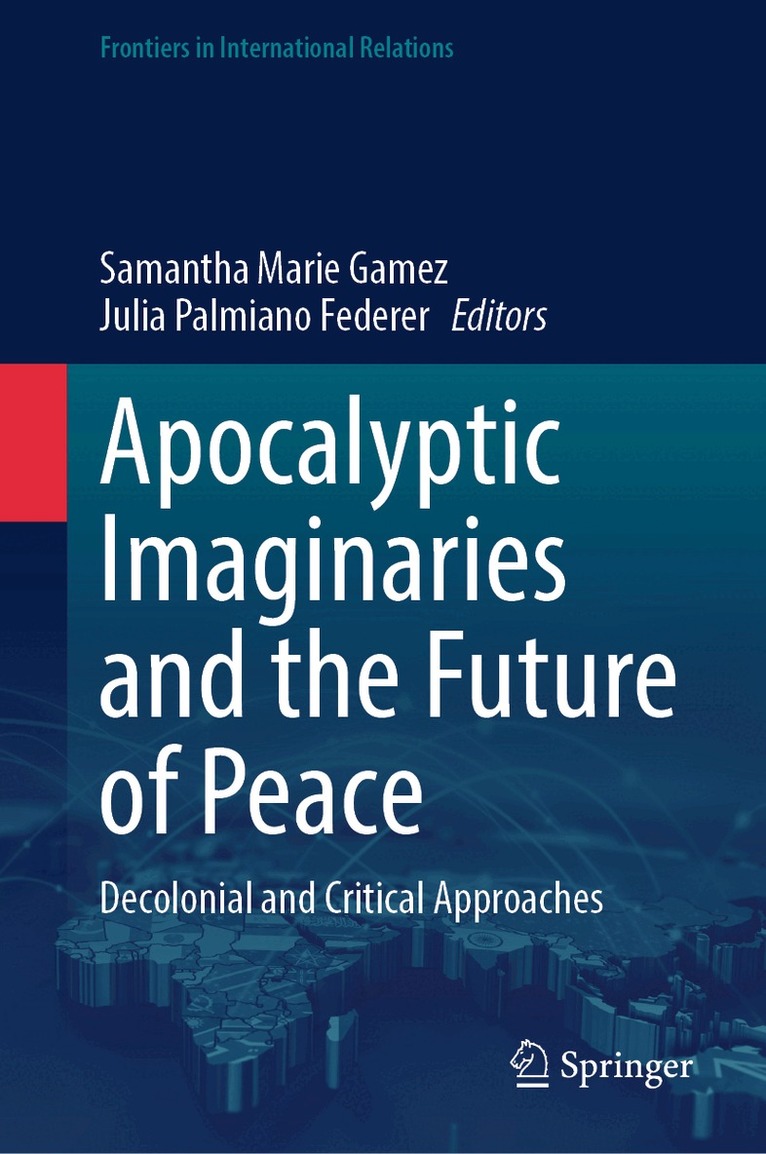
Apocalyptic Imaginaries and the Future of Peace
Decolonial and Critical Approaches
Inbunden, Engelska, 2026
1 304 kr
Kommande
In this edited volume, the field of peace and conflict studies is reimagined through critical perspectives. By applying post-colonial, feminist, critical normative, post-structuralist, and decolonial approaches, the book charts a new path forward in a time of crisis. Drawing upon the powerful imagery of the Judeo-Christian eschatological imaginaries—the Four Horsemen of the Apocalypse (Death, Famine, Conquest, and War) and the Whore of Babylon—the contributors challenge the assumptions, authority, and traditional approaches in peace and conflict studies. These apocalyptic symbols serve as a prism to radically rethink contemporary issues, dismantling the dominance of liberal peacebuilding.The volume's unique framework explores the connections between these eschatological themes and pressing concerns, such as the spatial variations of climate crisis natural disasters, the prevalence of violent armed conflicts, and the breakdown of societal relations inpolarized communities. By doing so, the authors raise critical questions and propose innovative concepts that can more effectively address the challenges of our time.This book offers a timely and necessary critique of the field while presenting alternative frameworks that transcend the Western tradition. It challenges the dichotomy of righteousness and damnation, urging readers to reconsider prevailing paradigms. With its multidisciplinary approach and engaging perspectives, this volume provides a valuable resource for scholars and students seeking to navigate the complex landscape of peace and conflict studies in the 21st century.