Julian Bourg – författare
Visar alla böcker från författaren Julian Bourg. Handla med fri frakt och snabb leverans.
7 produkter
7 produkter
Inbunden, Engelska, 2004
1 661 kr
Skickas inom 10-15 vardagar
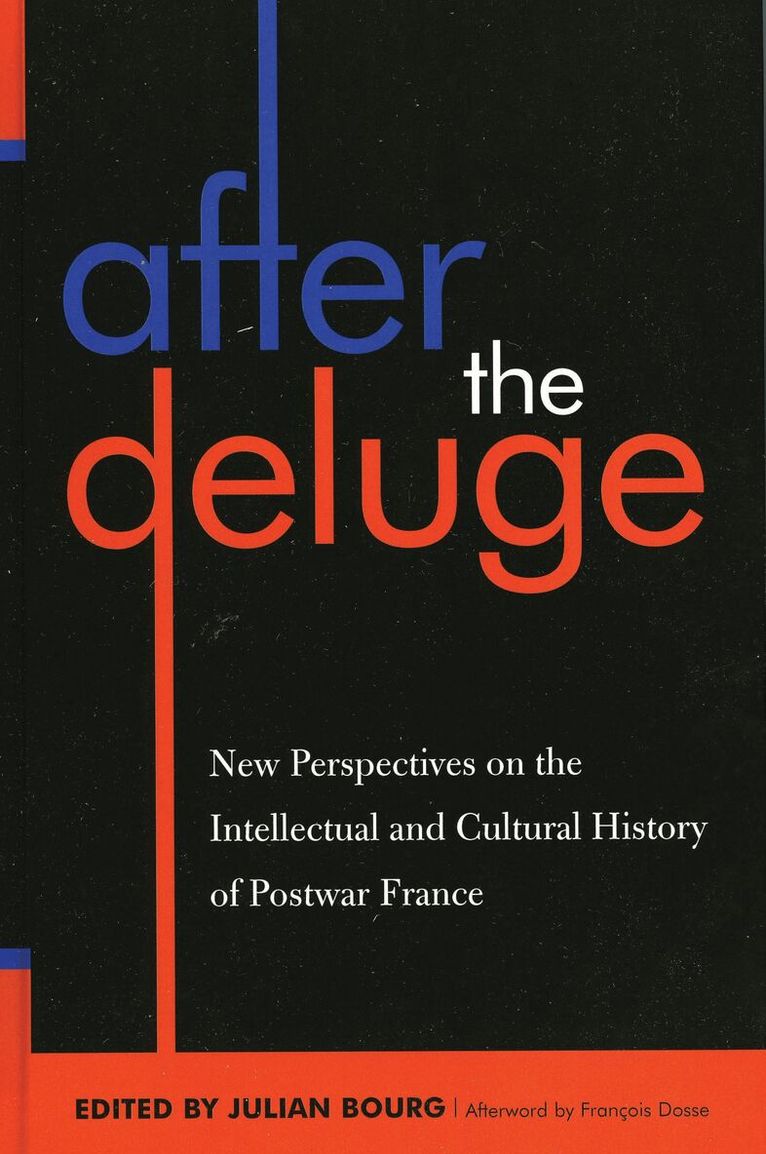
Madame de Pompadour's famous quip, "Après nous, le deluge," serves as fitting inspiration for this lively discussion of postwar French intellectual and cultural life. Over the past thirty years, North American and European scholarship has been significantly transformed by the absorption of poststructuralist and postmodernist theories from French thinkers. But Julian Bourg's seamlessly edited volume proves that, historically speaking, French intellecutal and cultural life since World War Two has involved much more than a few infamous figures and concepts. Motivated by a desire to narrate and contextualize the deluge of "French theory," After the Deluge showcases recent work by today's brightest scholars of French intellectual history that historicizes key debates, figures, and turning points in the postwar era of French thought. Relying on primary and archival sources, contributors examine, among other themes: left-wing critiques of the Left, the internationalizing of thought, the institutional and affective conditions of cultural life, and the religious imagination. They revive neglected debates and figures, and they explore the larger impact of political quarrels. In an afterword, preeminent French historian François Dosse heralds the arrival of a new generation, a historiographical sensibility that brings fresh, original perspectives and a passion for French history to the contemporary French intellectual arena. After the Deluge adds significant depth and breadth to our understanding of postwar French intellectual and cultural history.
Häftad, Engelska, 2004
765 kr
Skickas inom 10-15 vardagar
Madame de Pompadour's famous quip, "Après nous, le deluge," serves as fitting inspiration for this lively discussion of postwar French intellectual and cultural life. Over the past thirty years, North American and European scholarship has been significantly transformed by the absorption of poststructuralist and postmodernist theories from French thinkers. But Julian Bourg's seamlessly edited volume proves that, historically speaking, French intellecutal and cultural life since World War Two has involved much more than a few infamous figures and concepts. Motivated by a desire to narrate and contextualize the deluge of "French theory," After the Deluge showcases recent work by today's brightest scholars of French intellectual history that historicizes key debates, figures, and turning points in the postwar era of French thought. Relying on primary and archival sources, contributors examine, among other themes: left-wing critiques of the Left, the internationalizing of thought, the institutional and affective conditions of cultural life, and the religious imagination. They revive neglected debates and figures, and they explore the larger impact of political quarrels. In an afterword, preeminent French historian François Dosse heralds the arrival of a new generation, a historiographical sensibility that brings fresh, original perspectives and a passion for French history to the contemporary French intellectual arena. After the Deluge adds significant depth and breadth to our understanding of postwar French intellectual and cultural history.
E-bok
PDF, Engelska, 2017317 kr
Läs direkt efter köp
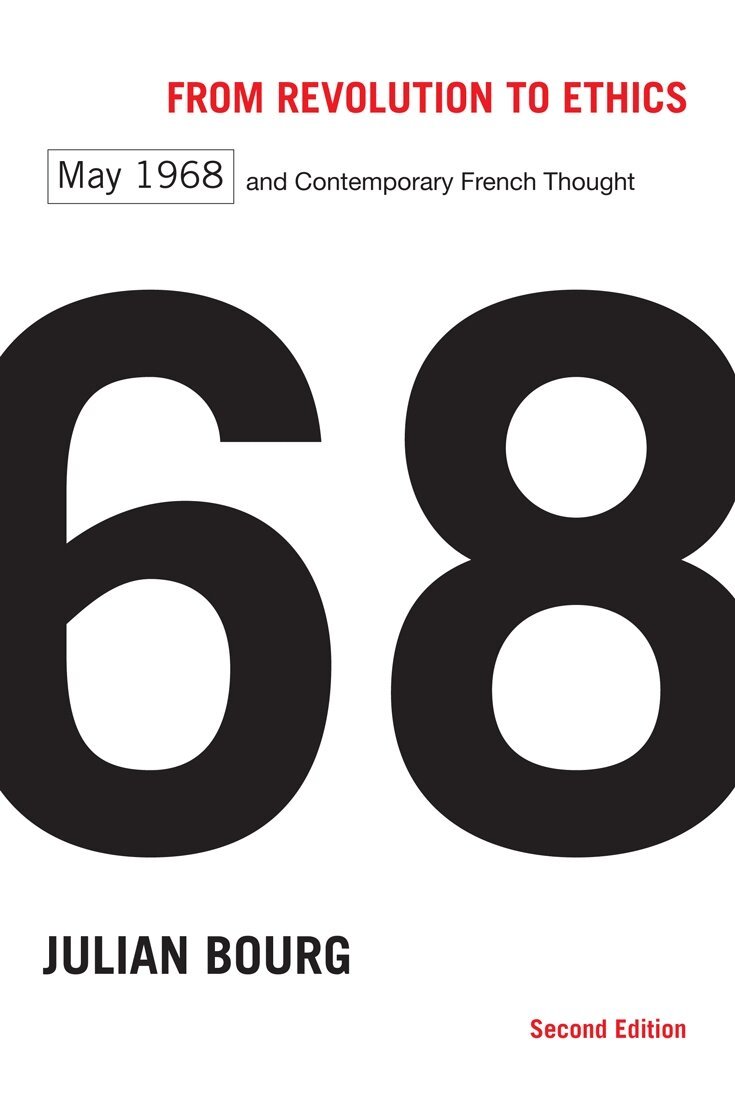
Winner: CHOICE Outstanding Academic Book Award, CHOICE Magazine (2008) Winner: Morris D. Forkosch Prize for the best book in intellectual history, Journal of the History of Ideas (2008) The French revolts of May 1968, the largest general strike in twentieth-century Europe, were among the most famous and colourful episodes of the twentieth century. Julian Bourg argues that during the subsequent decade the revolts led to a remarkable paradigm shift in French thought - the concern for revolution in the 1960s was transformed into a fascination with ethics. Challenging the prevalent view that the 1960s did not have any lasting effect, From Revolution to Ethics shows how intellectuals and activists turned to ethics as the touchstone for understanding interpersonal, institutional, and political dilemmas. In absorbing and scrupulously researched detail Bourg explores the developing ethical fascination as it emerged among student Maoists courting terrorism, anti-psychiatric celebrations of madness, feminists mobilizing against rape, and pundits and philosophers championing humanitarianism. From Revolution to Ethics provides a compelling picture of how May 1968 helped make ethics a compass for navigating contemporary global concerns. In a new preface for the second edition published to mark the fiftieth anniversary of the events, Bourg assessses the worldwide influence of the ethical turn, from human rights to the return of religion and the new populism.
E-bok
Engelska, 2017317 kr
Läs direkt efter köp
Winner: CHOICE Outstanding Academic Book Award, CHOICE Magazine (2008) Winner: Morris D. Forkosch Prize for the best book in intellectual history, Journal of the History of Ideas (2008) The French revolts of May 1968, the largest general strike in twentieth-century Europe, were among the most famous and colourful episodes of the twentieth century. Julian Bourg argues that during the subsequent decade the revolts led to a remarkable paradigm shift in French thought - the concern for revolution in the 1960s was transformed into a fascination with ethics. Challenging the prevalent view that the 1960s did not have any lasting effect, From Revolution to Ethics shows how intellectuals and activists turned to ethics as the touchstone for understanding interpersonal, institutional, and political dilemmas. In absorbing and scrupulously researched detail Bourg explores the developing ethical fascination as it emerged among student Maoists courting terrorism, anti-psychiatric celebrations of madness, feminists mobilizing against rape, and pundits and philosophers championing humanitarianism. From Revolution to Ethics provides a compelling picture of how May 1968 helped make ethics a compass for navigating contemporary global concerns. In a new preface for the second edition published to mark the fiftieth anniversary of the events, Bourg assessses the worldwide influence of the ethical turn, from human rights to the return of religion and the new populism.
E-bok
PDF, Engelska, 2007415 kr
Läs direkt efter köp
The French revolts of May 1968, the largest general strike in twentieth-century Europe, were among the most famous and colourful episodes of the twentieth century. Julian Bourg argues that during the subsequent decade the revolts led to a remarkable paradigm shift in French thought - the concern for revolution in the 1960s was transformed into a fascination with ethics. Challenging the prevalent view that the 1960s did not have any lasting effect, From Revolution to Ethics demonstrates that intellectuals and activists turned to ethics as the touchstone for understanding interpersonal, institutional, and political dilemmas. In absorbing and scrupulously researched detail Bourg explores the developing ethical fascination as it emerged among student Maoists courting terrorism, anti-psychiatric celebrations of madness, feminists mobilizing against rape, and pundits and philosophers championing human rights. Based on newly accessible archival sources and over fifty interviews with men and women who participated in the events of the era, From Revolution to Ethics provides a compelling picture of how May 1968 helped make ethics a compass for navigating contemporary global experience.
E-bok
Engelska, 2007415 kr
Läs direkt efter köp
The French revolts of May 1968, the largest general strike in twentieth-century Europe, were among the most famous and colourful episodes of the twentieth century. Julian Bourg argues that during the subsequent decade the revolts led to a remarkable paradigm shift in French thought - the concern for revolution in the 1960s was transformed into a fascination with ethics. Challenging the prevalent view that the 1960s did not have any lasting effect, From Revolution to Ethics demonstrates that intellectuals and activists turned to ethics as the touchstone for understanding interpersonal, institutional, and political dilemmas. In absorbing and scrupulously researched detail Bourg explores the developing ethical fascination as it emerged among student Maoists courting terrorism, anti-psychiatric celebrations of madness, feminists mobilizing against rape, and pundits and philosophers championing human rights. Based on newly accessible archival sources and over fifty interviews with men and women who participated in the events of the era, From Revolution to Ethics provides a compelling picture of how May 1968 helped make ethics a compass for navigating contemporary global experience.
Häftad, Engelska, 2017
346 kr
Tillfälligt slut
The French revolts of May 1968, the largest general strike in twentieth-century Europe, were among the most famous and colourful episodes of the twentieth century. Julian Bourg argues that during the subsequent decade the revolts led to a remarkable paradigm shift in French thought - the concern for revolution in the 1960s was transformed into a fascination with ethics. Challenging the prevalent view that the 1960s did not have any lasting effect, From Revolution to Ethics demonstrates that intellectuals and activists turned to ethics as the touchstone for understanding interpersonal, institutional, and political dilemmas. In absorbing and scrupulously researched detail Bourg explores the developing ethical fascination as it emerged among student Maoists courting terrorism, anti-psychiatric celebrations of madness, feminists mobilizing against rape, and pundits and philosophers championing human rights. Based on newly accessible archival sources and over fifty interviews with men and women who participated in the events of the era, From Revolution to Ethics provides a compelling picture of how May 1968 helped make ethics a compass for navigating contemporary global experience.