Julian Davison – författare
Visar alla böcker från författaren . Handla med fri frakt och snabb leverans.
6 produkter
6 produkter
Inbunden, Engelska, 2023
191 kr
Skickas inom 7-10 vardagar
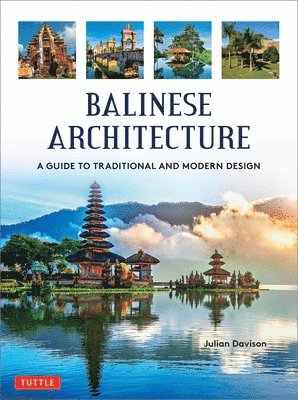
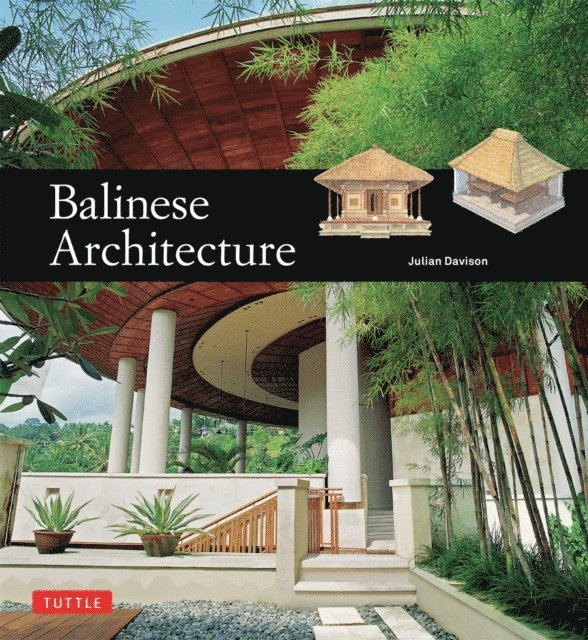
Balinese-style villas and resorts are popping up everywhere, from Ibiza to St. Barts to Singapore.In this comprehensive guide, author Julian Davison explores the intricacies of the architecture and the reasons for its global popularity. You'll learn why innovative international architects have been designing Bali-inspired resorts and villas for decades, drawing their inspiration from a rich vernacular tradition.The thirty chapters in this book cover dozens of topics like:Architecture and Social StatusThe Balinese VillageSacred Rice and Subak TemplesContemporary Hotels and ResortsGardens and Water FeaturesAnd many more!This one-of-a-kind book features detailed information on building materials, construction techniques and intricate traditional ornamentation. Over 200 photographs and watercolor illustrations provide a clear picture of the island's architecture and an eye-opening look at a culture that has captivated the world's imagination for over a century.
E-bok
Engelska, 2012135 kr
Läs direkt efter köp
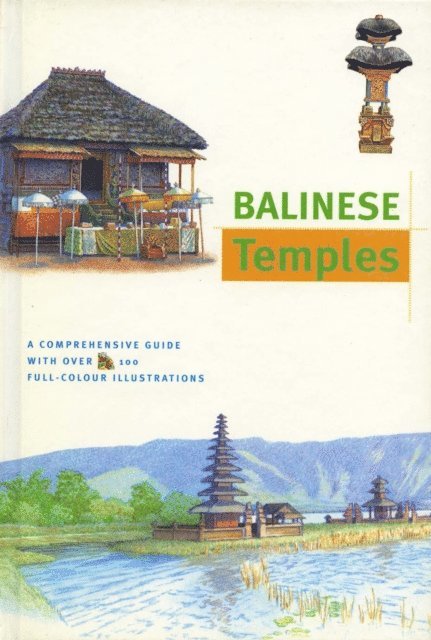
The rich religious tradition and architecture of Bali are on display in this informative guidebook.Bali is an island with literally tens of thousands of temples, a proliferation of religious architecture probably not equaled anywhere else in the world. Each temple is like a model of the universe in miniature, reflecting Balinese assumptions about the nature of the universe and man''s place in relation to the gods, the ancestors, and the rest of creation.This book is intended as a general introduction to the architectural symbolism of the typical Balinese temple and the cosmological significance of its layout. The informative text is complemented by dozens of watercolor illustrations and will provide a useful guide to many of the temples that the reader is likely to visit during a stay on the island.
E-bok
Engelska, 2012121 kr
Läs direkt efter köp
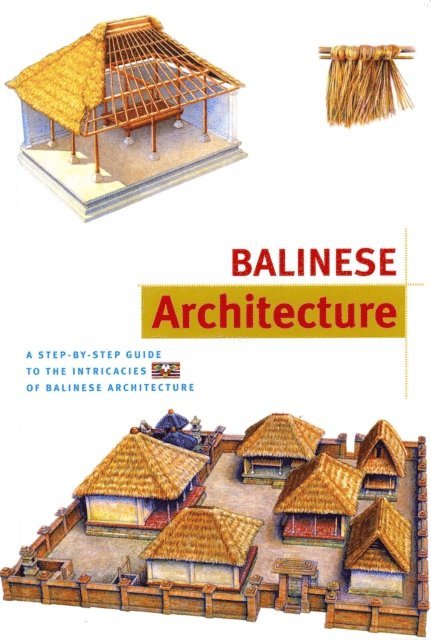
Balinese Architecture is a step-by-step guide to the intricacies of Balinese architecture.Traditional Balinese don''t live in houses in the conventional sense of the word. Instead, they divide their daily activities between a number a different pavilions which are situated within a family compound that is secluded from the outside world b a high wall Although these living arrangements may seem at first to be a fairly haphazard affair, they are actually grounded in a complex metaphysical system which provides a cosmological framework for maintaining harmonious relations between man and the rest of the universe.This Balinese guide takes a detailed look at this fascinating architectural tradition with watercolor illustrations, designs and extensive commentary.
E-bok
Engelska, 201281 kr
Läs direkt efter köp
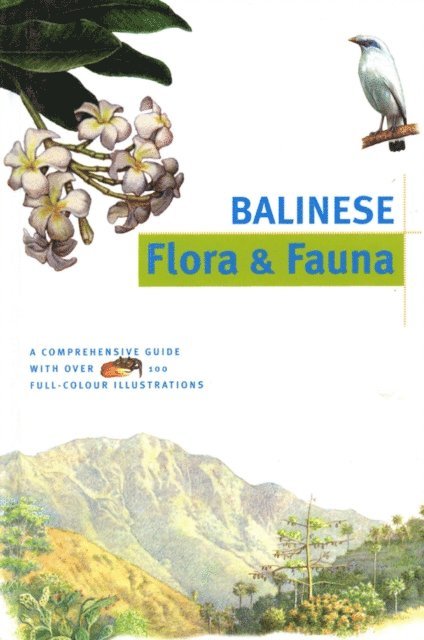
This book provides a general introduction to the natural history of Bali, looking at each of the major ecosystems in turn and highlighting their most salient and interesting features. Watercolor panoramas and illustrations of typical or otherwise significant plants and animals from each type of habitat complement the text and provide the reader with a visual reference for some of the sights he or she is most likely to see during a visit to the island.
E-bok
Engelska, 2014212 kr
Läs direkt efter köp
Balinese style villas and resorts are popping up everywhere--from Ibiza to St Barts to Singapore. But what is Balinese architecture? And why is it so popular today? Traditional Balinese houses, temples and pavilions are designed to allow man to exist in harmony with the natural forces of the universe--reflecting core Balinese beliefs about man''s place in relation to the cosmos, the gods, the ancestors, and the world around him. Innovative local and Western architects have been designing resorts and villas on Bali for decades, drawing their inspiration from these local traditions.In this one-of-a-kind book, author Julian Davison provides a comprehensive guide to Balinese architectural forms, the Balinese belief system, the rituals associated with building, the materials and construction techniques, and the intricate ornamentation used. Over 100 watercolor illustrations and photographs provide a clear picture of the island''s architecture as well as an eye-opening look at a culture and a people that have captivated the world''s imagination.
Inbunden, Engelska, 2020
396 kr
Tillfälligt slut
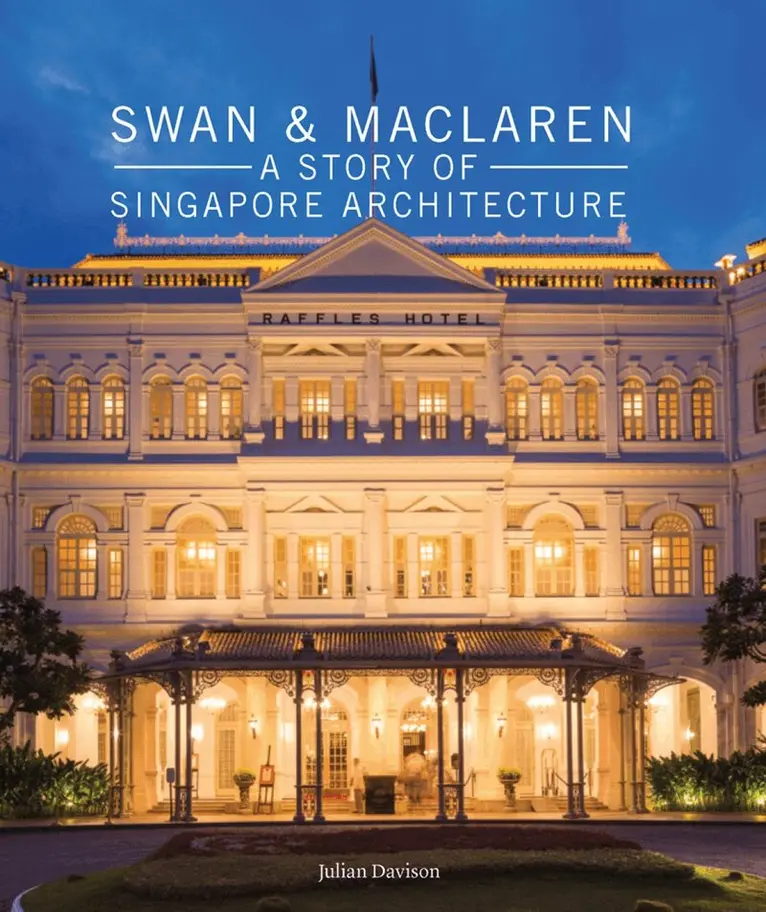
Swan & Maclaren were the most prominent and prestigious architectural practice working in Singapore during the latter part of the British era, that is to say, from 1892, when the firm was founded, through to independence in 1965. As such, the history of Singapore architecture, during that period, is very much the history of Swan & Maclaren. Of course there were other important players, local Singaporeans as well as British, working in Singapore at this time, but there is no denying that Swan & Maclaren were the key players during this era, representing the architects of choice for those who could afford them - their list of clients during the period we are considering reads like a litany of the good and the great of Singapore.The output of the firm was extraordinary, too, ranging from corporate blockbusters like the Hongkong & Shanghai Bank and the Union Building of the 1920s, to factories, shophouses, department stores, hotels, schools and university buildings, railway stations, churches, mosques, a synagogue, bungalows, even the odd cattle shed! And not just in Singapore, but also in Peninsular Malaya (later Malaysia), Bangkok, Rangoon and the east Bornean state of Sarawak, once the fiefdom of the White Rajahs, later a Crown Colony.The names of partners and senior members of staff are also among the most famous in Singapore's architectural record: the eponymous Messrs Swan and Maclaren who founded the firm, Regent Alfred John Bidwell, one of the most talented architects of the British era, famous for having designed Raffles Hotel, the Victoria Memorial Hall and Theatre, the Chased-el Synagogue, the Teutonia Club (today's Goodwood Park Hotel), Stamford House and much else besides; Arts and Crafts maestro, Scotsman David McLeod Craik; the 1920s and thirties triumvirate of "starchitects", Frank Lundon, Denis Santry and Frank Brewer; Serbian Slobodan Petrovitch who designed the Tanjong Pagar Railways Station, and C. Y. Koh, author of everyone's favourite early Modernist masterpiece, the Water Boat House on Fullerton Road. Similarly in the postwar era, when we see the emergence of a new generation of local Singaporean architects who would lead the practice through to independence.The scope of the book covers the period from the mid-1880s, when the two eponymous founding partners, Archibald A. Swan and J. W. B. Maclaren first came to Singapore, and continues through to the end of the British era in 1965.