Julian Kiverstein – författare
Visar alla böcker från författaren Julian Kiverstein. Handla med fri frakt och snabb leverans.
11 produkter
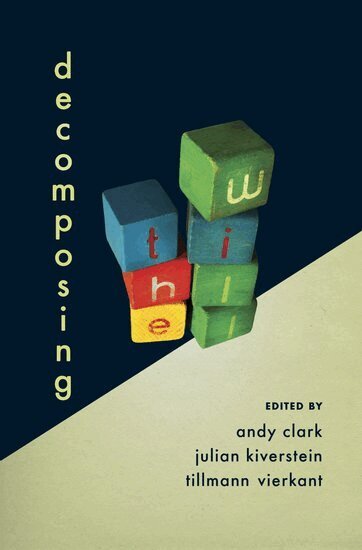
Decomposing the Will
Av CLARK, Andy Clark m. fl.
Inbunden, 2013
2033 kr
Lägg i varukorg
There is growing evidence from the science of human behavior that our everyday, folk understanding of ourselves as conscious, rational, responsible agents may be radically mistaken. The science, some argue, recommends a view of conscious agency as merely epiphenomenal: an impotent accompaniment to …
Decomposing the Will
Av Tillmann Vierkant, Julian Kiverstein m. fl.
E-bok, 2013
1338 kr
Lägg i varukorg
There is growing evidence from the science of human behavior that our everyday, folk understanding of ourselves as conscious, rational, responsible agents may be radically mistaken. The science, some argue, recommends a view of conscious agency as merely epiphenomenal: an impotent accompaniment to …
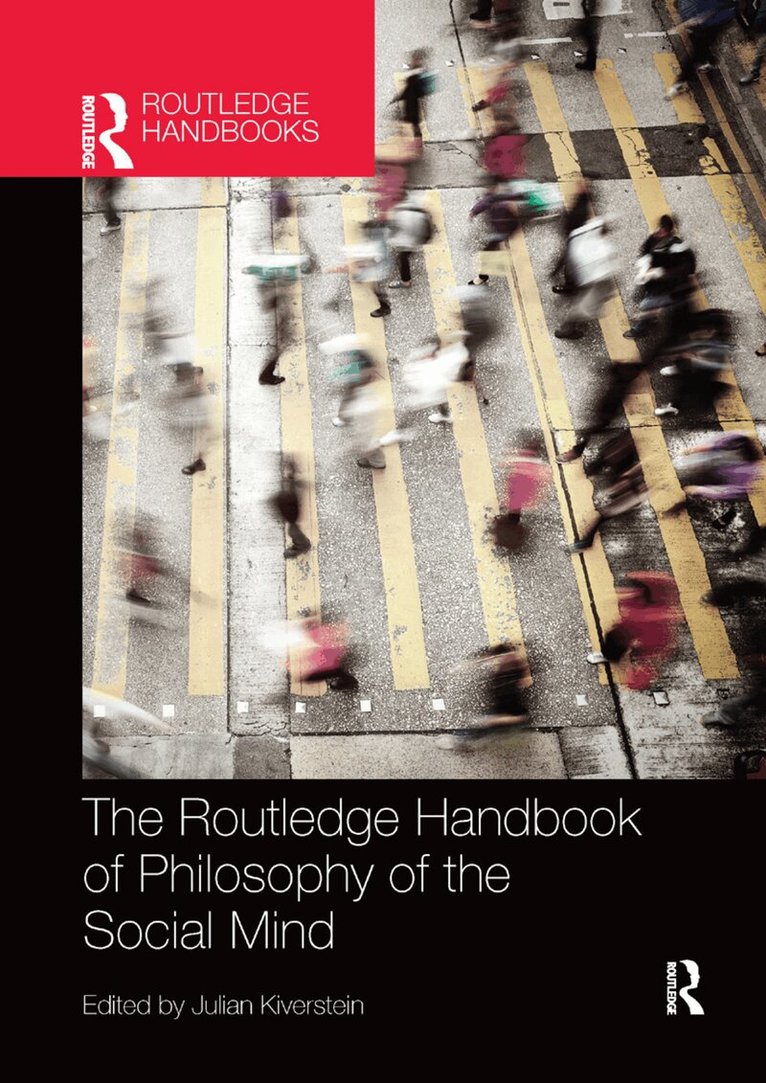
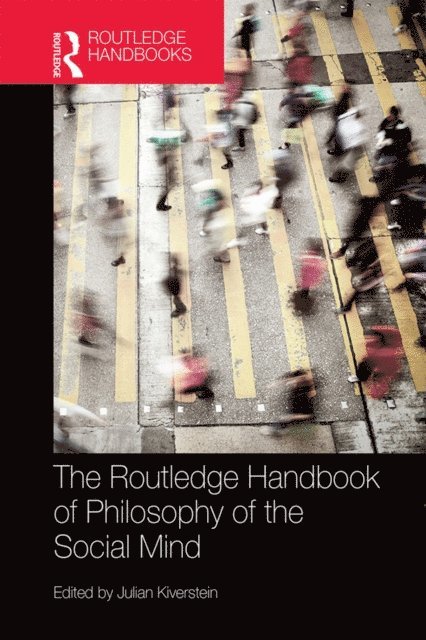
Routledge Handbook of Philosophy of the Social Mind
Häftad, 2019
808 kr
Lägg i varukorg
The idea that humans are by nature social and political animals can be traced back to Aristotle. More recently, it has also generated great interest and controversy in related disciplines such as anthropology, biology, psychology, neuroscience and even economics. What is it about humans that …
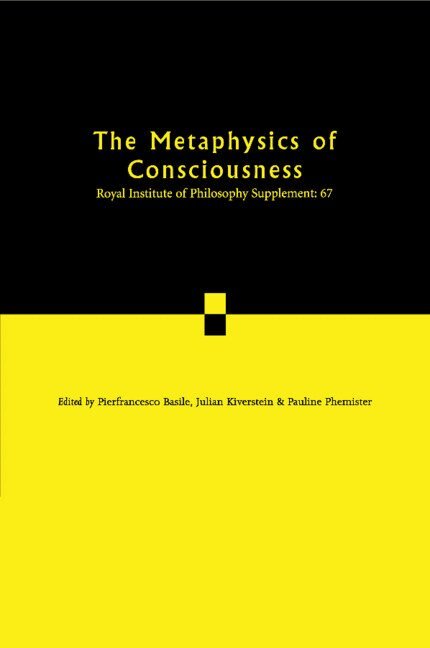
The Metaphysics of Consciousness
Av Pierfrancesco Basile, Julian Kiverstein m. fl.
Häftad, 2010
569 kr
Lägg i varukorg
What is consciousness? What is the place of consciousness in nature? These and related questions occupy a prominent place in contemporary studies in metaphysics and philosophy of mind, often involving complex interdisciplinary connections between philosophy, psychology, artificial intelligence, …
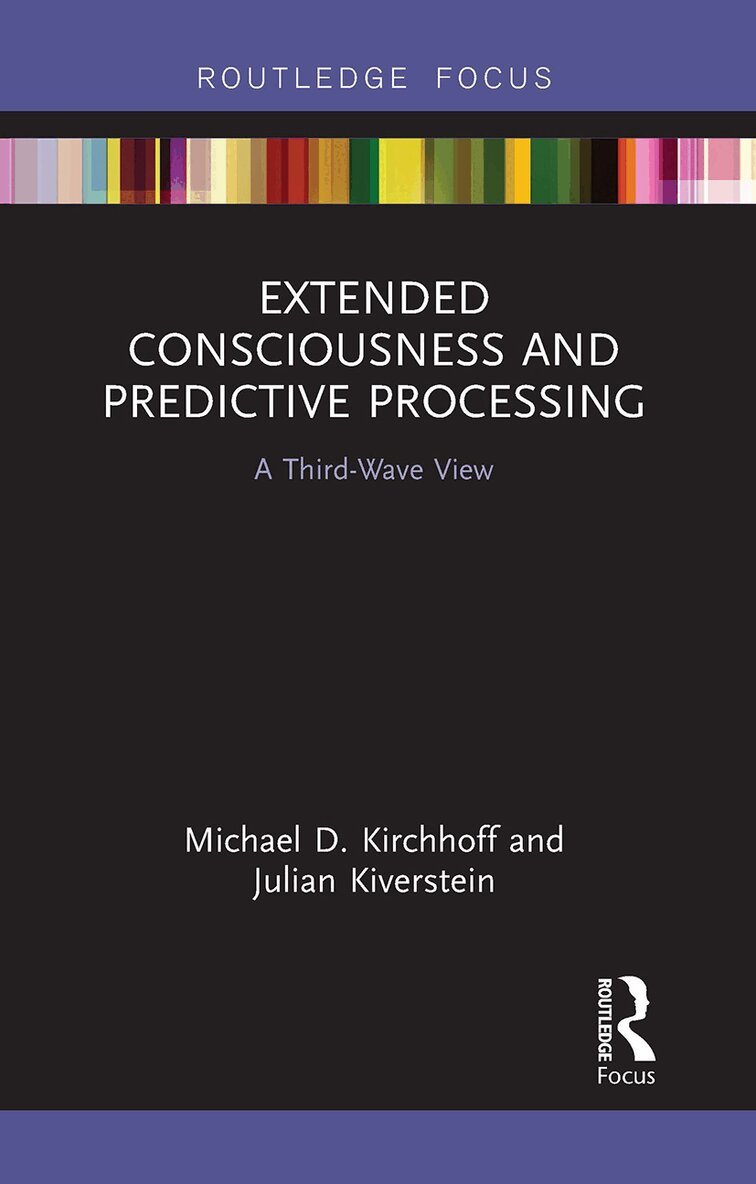
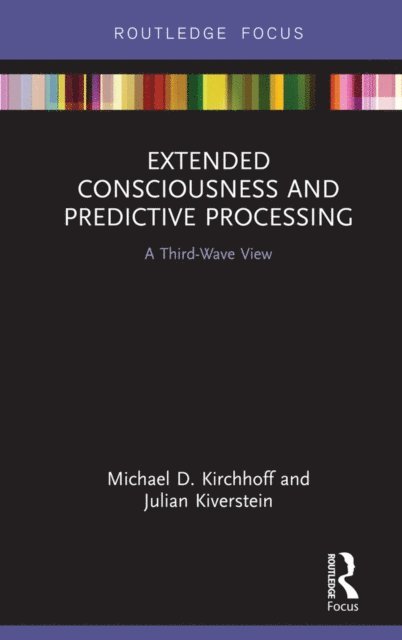
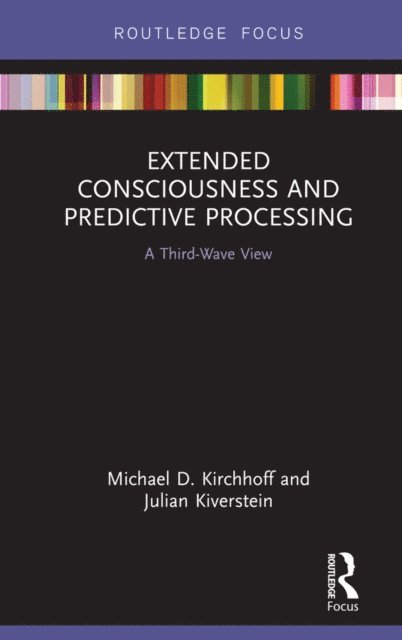
Extended Consciousness and Predictive Processing
A Third Wave View
Av Michael D. Kirchhoff, Julian Kiverstein
Häftad, 2023
386 kr
Lägg i varukorg
In this jointly authored book, Kirchhoff and Kiverstein defend the controversial thesis that phenomenal consciousness is realised by more than just the brain. They argue that the mechanisms and processes that realise phenomenal consciousness can at times extend across brain, body, and the social, …
Extended Consciousness and Predictive Processing
A Third Wave View
Av Michael D. Kirchhoff, Julian Kiverstein
Inbunden, 2019
997 kr
Lägg i varukorg
In this jointly authored book, Kirchhoff and Kiverstein defend the controversial thesis that phenomenal consciousness is realised by more than just the brain. They argue that the mechanisms and processes that realise phenomenal consciousness can at times extend across brain, body, and the social, …
Routledge Handbook of Philosophy of the Social Mind
Inbunden, 2016
3793 kr
Lägg i varukorg
The idea that humans are by nature social and political animals can be traced back to Aristotle. More recently, it has also generated great interest and controversy in related disciplines such as anthropology, biology, psychology, neuroscience and even economics. What is it about humans that …
Routledge Handbook of Philosophy of the Social Mind
E-bok, 2016
953 kr
Lägg i varukorg
The idea that humans are by nature social and political animals can be traced back to Aristotle. More recently, it has also generated great interest and controversy in related disciplines such as anthropology, biology, psychology, neuroscience and even economics. What is it about humans that …
Routledge Handbook of Philosophy of the Social Mind
E-bok, 2016
953 kr
Lägg i varukorg
The idea that humans are by nature social and political animals can be traced back to Aristotle. More recently, it has also generated great interest and controversy in related disciplines such as anthropology, biology, psychology, neuroscience and even economics. What is it about humans that …
Extended Consciousness and Predictive Processing
A Third Wave View
Av Julian Kiverstein, Michael D. Kirchhoff
E-bok, 2019
399 kr
Lägg i varukorg
In this jointly authored book, Kirchhoff and Kiverstein defend the controversial thesis that phenomenal consciousness is realised by more than just the brain. They argue that the mechanisms and processes that realise phenomenal consciousness can at times extend across brain, body, and the social, …
Extended Consciousness and Predictive Processing
A Third Wave View
Av Julian Kiverstein, Michael D. Kirchhoff
E-bok, 2019
399 kr
Lägg i varukorg
In this jointly authored book, Kirchhoff and Kiverstein defend the controversial thesis that phenomenal consciousness is realised by more than just the brain. They argue that the mechanisms and processes that realise phenomenal consciousness can at times extend across brain, body, and the social, …