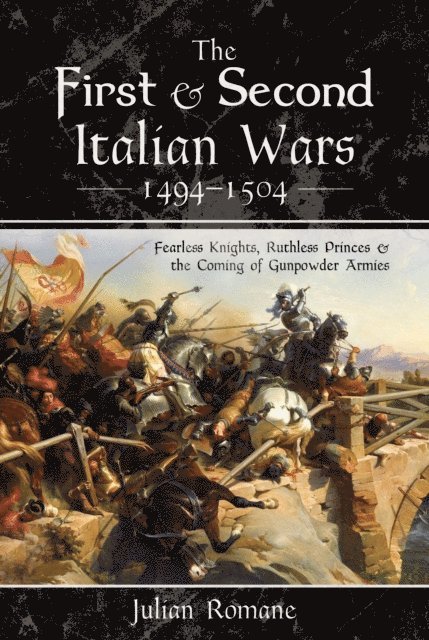
The First and Second Italian Wars describes the course of military operations and political machinations in Italy from 1494 to 1504\. The narrative begins with the French conquest of much of Italy. But the French hold collapsed. The second French invasion gained Northern Italy. This time, the French allied with the Pope's son, Cesare Borgia. Cesare managed to double deal too many people; his efforts ended in disaster. The French agreement with the Spanish allowed them to retake Naples only to be defeated at the Garigliano by the famous general, Gonzalo de Cordoba.These wars were not just another series of medieval fights. These battles were different from what had gone before: the French utilized a new method of artillery transport; the Spanish commander formulated a new system of military unit organization, and Cesare Borgia sought different systems of raising troops and forming states. And all the powers managed to spend vast amounts of money the likes of which no one had imagined before. This was the emergence of the so-called Military Revolution.
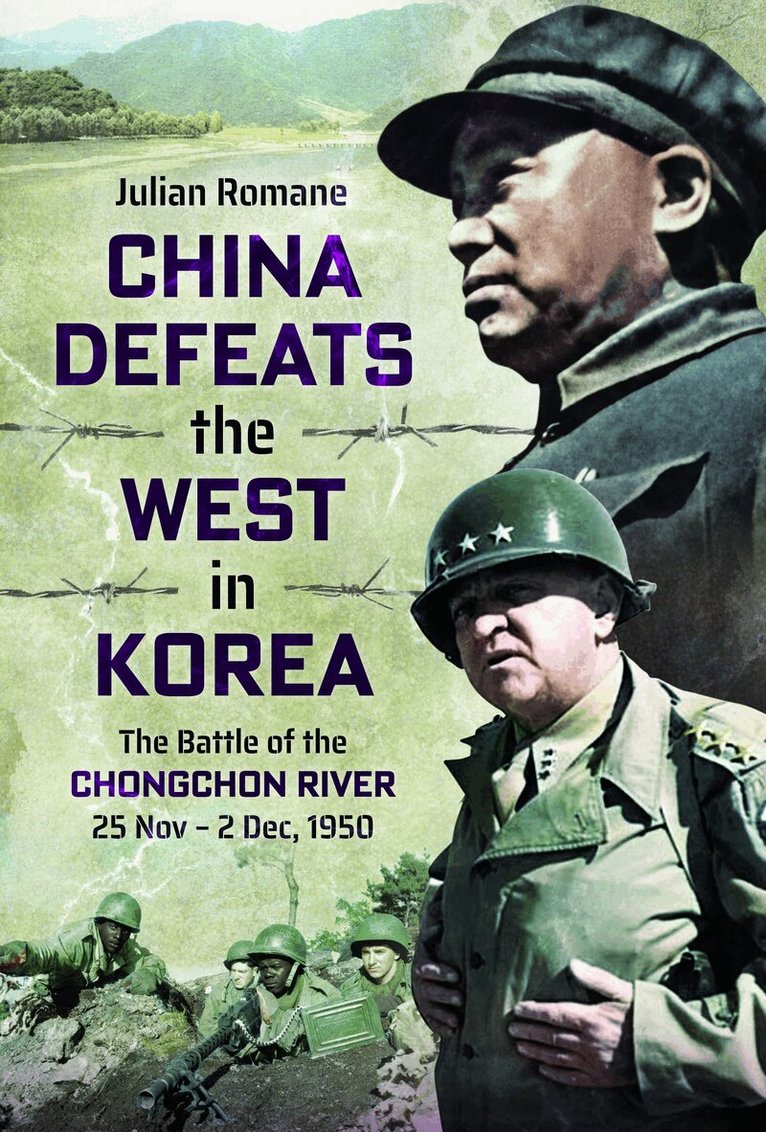
The Battle of the Chongchon was the decisive defeat of the American military offensive during the Cold War. The failure of the ‘Final Offensive’ prefigured the Cold War military stalemate. Here is a detailed narrative that describes the tactics of both sides, down to the company and squad levels. Beyond the fires of combat, the narrative recounts the command decisions and strategic directions that shape the engagement’s structure. Firmly grounded in the military records of the US, South Korea, and Britain, the narrative also draws on documents in the ‘official’ history published by the Chinese Institute of Military History Research. The course of the battle contrasts two basic concepts of military operations. The United States military relies on firepower concentrations to smash the enemy’s forces, while the Chinese use military forces to exploit the enemy’s weaknesses, confusing and disrupting their actions. The United States are careful to keep their casualties low, but to the Chinese, casualties are the cost of war; victorious armies have many casualties. Detailed accounts of the tactical interactions between the UN Forces and the Chinese People’s Volunteer Army illustrate the two sides’ distinct approaches to combat. Along with the battle narrative, there are lists of sources, several appendices explain essential points, maps showing the course of the conflict, orders of battles, and a full bibliography.
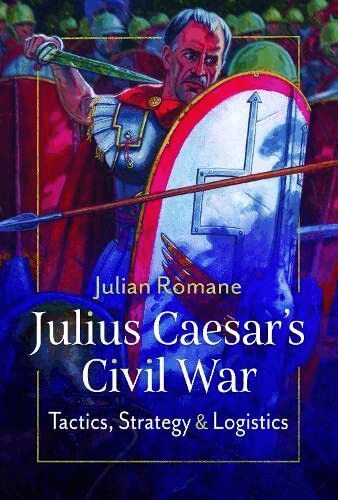
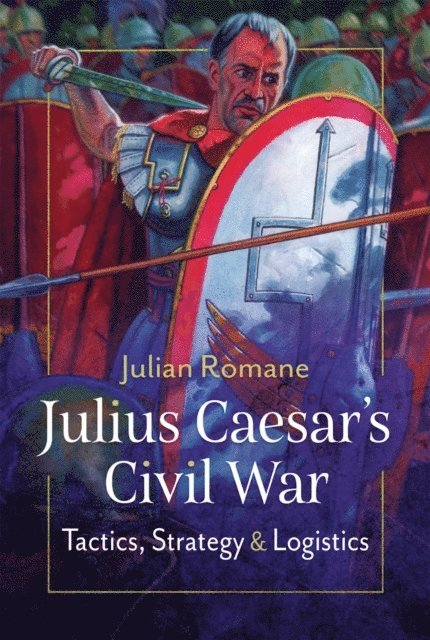
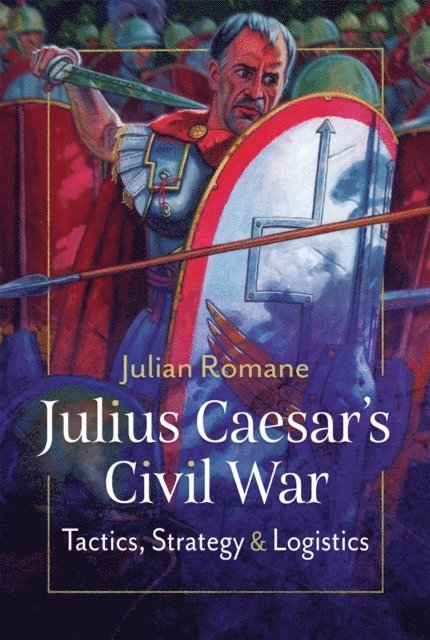
Julian Romane examines the campaigns of Julius Caesar throughout the civil wars that followed his famous crossing of the Rubicon, through to the defeat of the final Pompeian diehards at the battle of Munda. He analyses Caesar's generalship in the widest sense, with a strong emphasis on the logistical and financial effort required to put his legions in the field and keep them equipped, fed and paid. The attention given to this important but often-neglected aspect sets this account apart from many others. The author discusses the nature of late Republican Roman armies, describing their organization, tactics and equipment. The fact that such armies were employed both by and against Caesar only emphasizes the role of generalship in the outcome. This is followed by a detailed account of the strategic manoeuvres in Caesar's epochal duel with Pompey the Great and the resultant battles at Dyrrhachium and Pharsalus. The final campaigns to mop up opposition in Spain and Africa are studied in equal detail to give a complete picture of Caesar's command performance in these history-shaping events.
Julian Romane examines the campaigns of Julius Caesar throughout the civil wars that followed his famous crossing of the Rubicon, through to the defeat of the final Pompeian diehards at the battle of Munda. He analyzes Caesar''s generalship in the widest sense, with a strong emphasis on the logistical and financial effort required to put his legions in the field and keep them equipped, fed and paid. The attention given to this important but often-neglected aspect sets this account apart from many others. The author discusses the nature of late Republican Roman armies, describing their organization, tactics and equipment. The fact that such armies were employed both by and against Caesar only emphasizes the role of generalship in the outcome. This is followed by a detailed account of the strategic maneuvers in Caesar''s epochal duel with Pompey the Great and the resultant battles at Dyrrhachium and Pharsalus. The final campaigns to mop up opposition in Spain and Africa are studied in equal detail to give a complete picture of Caesar''s command performance in these history-shaping events.
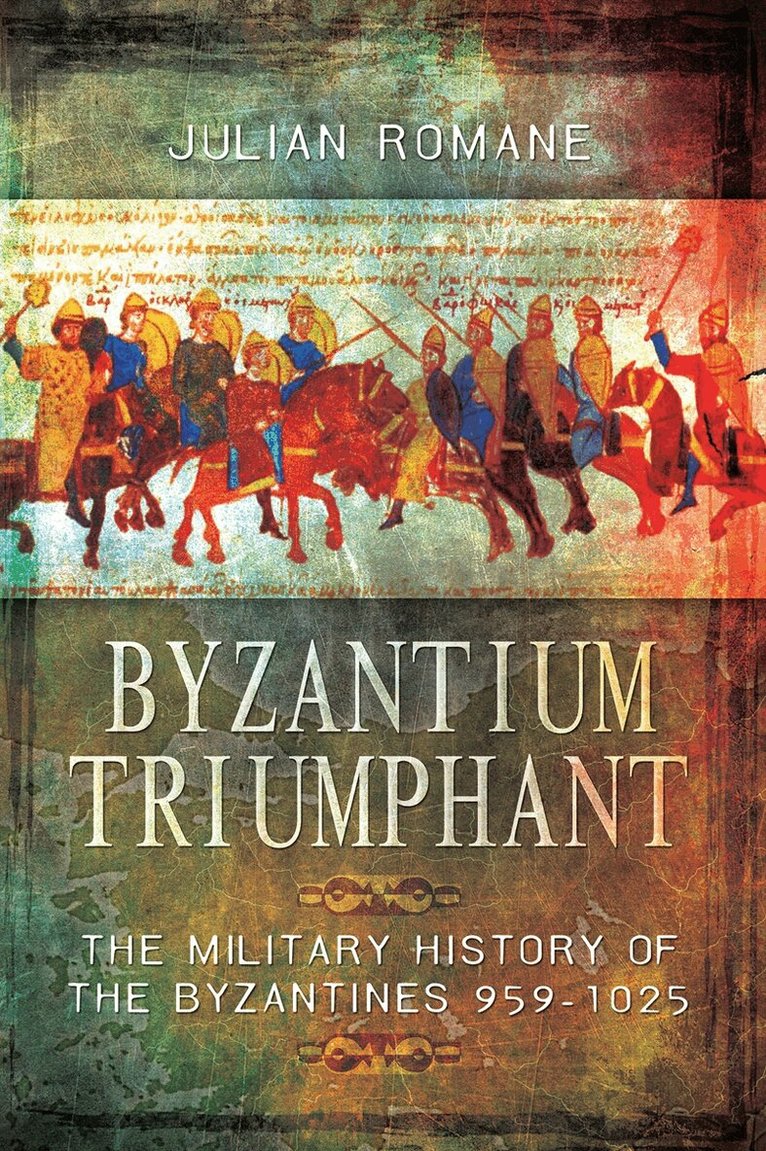
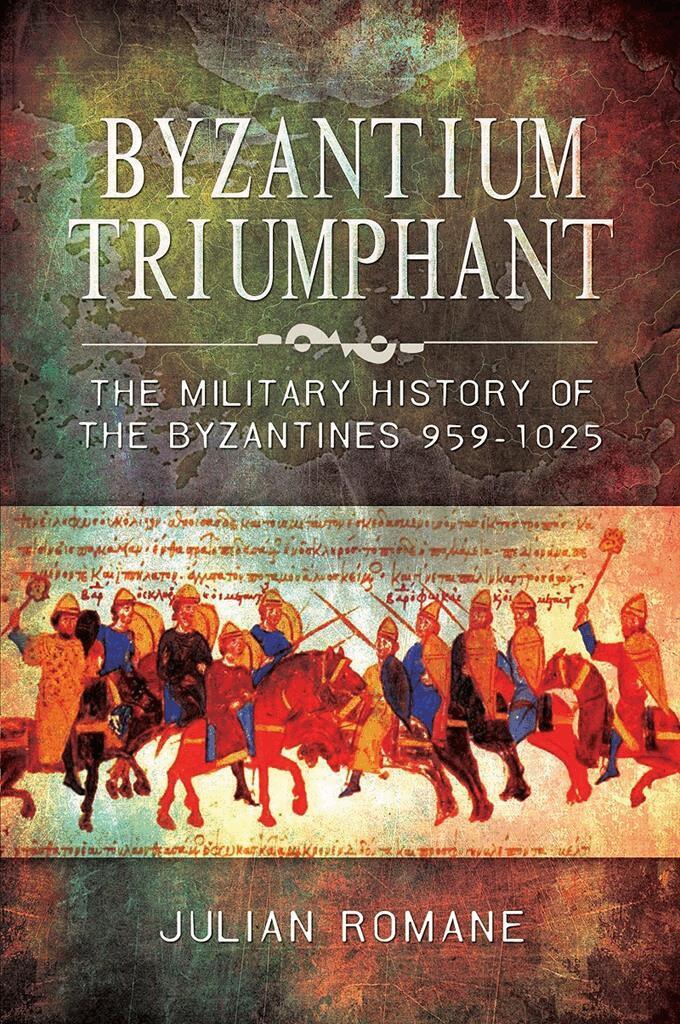
Byzantium Triumphant is a detailed narrative of the wars of the Byzantine emperors, Nicephorus II Phocas, John I Tzimiskes and Basil II (the Bulgar Slayer).Byzantium Triumphant describes in detail the wars of the Byzantine emperors Nicephorus II Phocas, his nephew and assassin John I Tzimiskes, and Basil II. The operations, battles and drama of their various bitter struggles unfold, depicting the new energy and improved methods of warfare developed in the late tenth century. These emperors were at war on all fronts, fighting for survival and dominance against enemies including the Arab caliphates, Bulgars (Basil II was dubbed by later authors the Bulgar Slayer) and the Holy Roman Empire, not to mention dealing with civil wars and rebellions. Julian Romane's careful research, drawing particularly on the evidence of Byzantine military manuals, allows him to produce a gripping narrative underpinned by a detailed understanding of the Byzantine tactics, organization, training and doctrine. While essentially a military history, there is, inevitably with the Byzantine emperors, a healthy dose of court intrigue, assassination and political skullduggery too.EPUB3: Reflowable
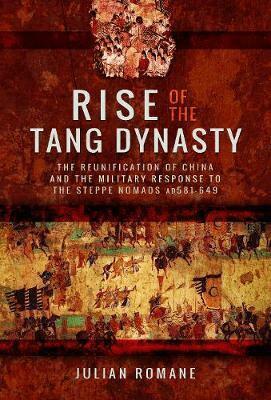
Julian Romane examines the military events behind the emergence of the Sui and Tang dynasties in the period 581-626 AD. Narrating the campaigns and battles, he analyses in detail the strategy and tactics employed, a central theme being the collision of the steppe cavalry with Chinese infantry armies. By the fourth century AD, horse nomads had seized northern China. Conflict with these Turkic interlopers continued throughout the 5th and most of the 6th century. The emergence of the Sui dynasty (581-618) brought some progress but internal weakness led to their rapid collapse. The succeeding House of Tang, however, provided the necessary stability and leadership to underpin military success. This was largely the achievement of Li Shimin, who later became the second Tang Emperor. By the start of Li Shimin s reign as Emperor Tang Taizong, effective military organizations had been developed and China reunified. His military campaigns are examples of tactical and strategic virtuosity that demonstrate the application of the distinctive Chinese way of war expounded in Chinese military manuals, including Li Shimin s own writings.
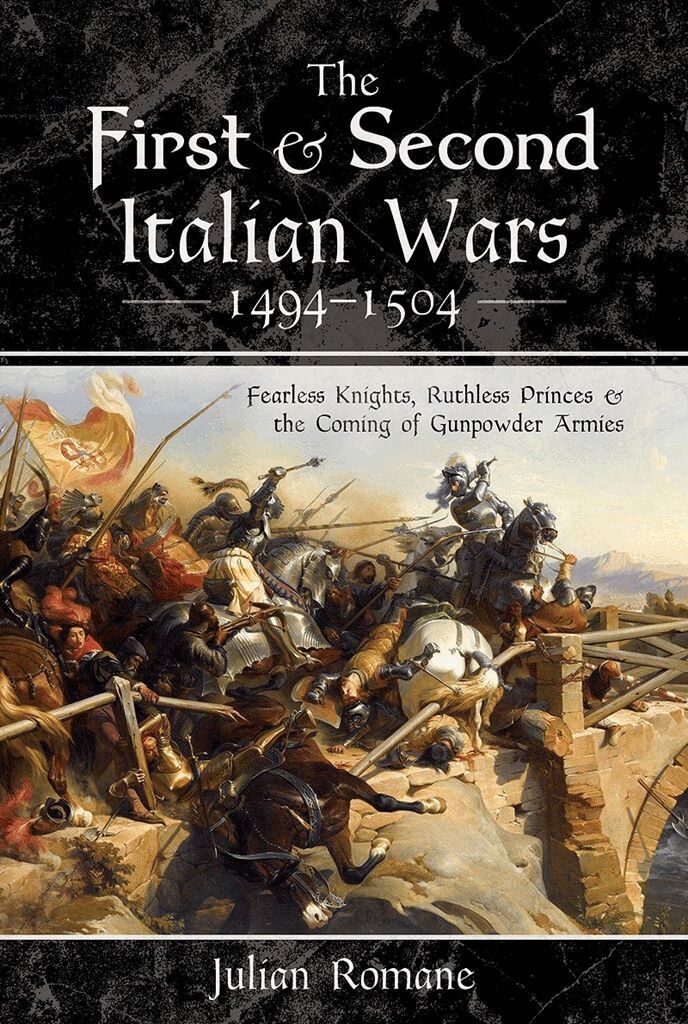
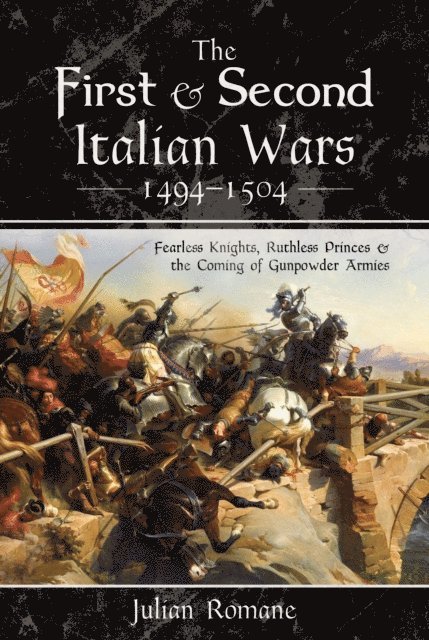
The First and Second Italian Wars describes the course of military operations and political machinations in Italy from 1494 to 1504\. The narrative begins with the French conquest of much of Italy. But the French hold collapsed. The second French invasion gained Northern Italy. This time, the French allied with the Pope's son, Cesare Borgia. Cesare managed to double deal too many people; his efforts ended in disaster. The French agreement with the Spanish allowed them to retake Naples only to be defeated at the Garigliano by the famous general, Gonzalo de Cordoba.These wars were not just another series of medieval fights. These battles were different from what had gone before: the French utilized a new method of artillery transport; the Spanish commander formulated a new system of military unit organization, and Cesare Borgia sought different systems of raising troops and forming states. And all the powers managed to spend vast amounts of money the likes of which no one had imagined before. This was the emergence of the so-called Military Revolution.
A historical analysis of the course of military operations and political machinations in Italy at the turn of the sixteenth century.The First and Second Italian Wars begins with the French conquest of much of Italy. But the French hold collapsed. The second French invasion gained Northern Italy. This time, the French allied with the Pope''s son, Cesare Borgia. Cesare managed to double deal too many people; his efforts ended in disaster. The French agreement with the Spanish allowed them to retake Naples only to be defeated at the Garigliano by the famous general, Gonzalo de Cordoba.These wars were not just another series of medieval fights. These battles were different from what had gone before: the French utilized a new method of artillery transport; the Spanish commander formulated a new system of military unit organization, and Cesare Borgia sought different systems of raising troops and forming states. And all the powers managed to spend vast amounts of money the likes of which no one had imagined before. This was the emergence of the so-called Military Revolution.Praise for The First and Second Italian Wars 1494–1504"An amazing account of medieval warfare between two of Europe''s principle nations." —Books Monthly (UK)"This is a fascinating, detailed look at these crucial wars, placing the military campaigns in their political context—the world that inspired the writings of Machiavelli, and you can see where he got his inspiration from!" —History of War
Byzantium Triumphant describes in detail the wars of the Byzantine emperors Nicephorus II Phocas, his nephew and assassin John I Tzimiskes, and Basil II. The operations, battles and drama of their various bitter struggles unfold, depicting the new energy and improved methods of warfare developed in the late tenth century. These emperors were at war on all fronts, fighting for survival and dominance against enemies including the Arab caliphates, Bulgars (Basil II was dubbed by later authors the Bulgar Slayer) and the Holy Roman Empire, not to mention dealing with civil wars and rebellions. Julian Romanes careful research, drawing particularly on the evidence of Byzantine military manuals, allows him to produce a gripping narrative underpinned by a detailed understanding of the Byzantine tactics, organization, training and doctrine. While essentially a military history, there is, inevitably with the Byzantine emperors, a healthy dose of court intrigue, assassination and political skulduggery too.