Julian Stanley - Böcker
Visar alla böcker från författaren Julian Stanley. Handla med fri frakt och snabb leverans.
4 produkter
4 produkter
1 834 kr
Skickas inom 10-15 vardagar
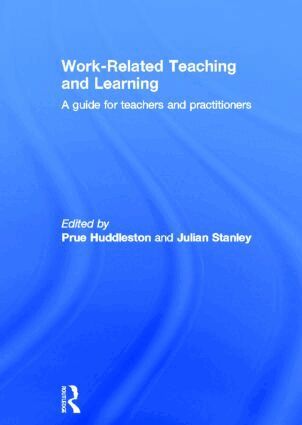
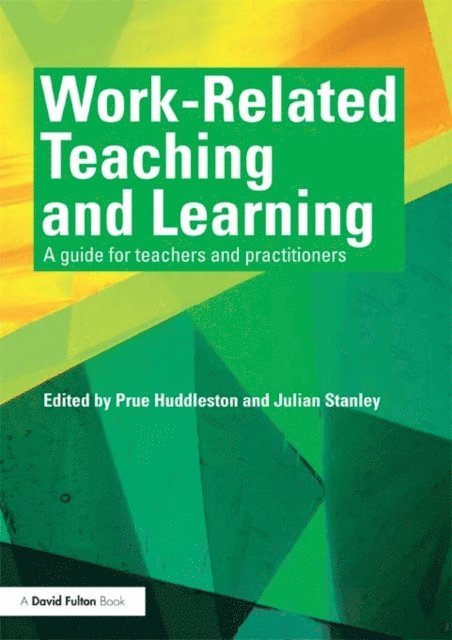
In the current economic climate, it is more important than ever that young people engage with the world of work and gain the knowledge, skills and experience they will need to prepare them for their future careers. This book provides an overarching framework for understanding all the separate parts of the work-related learning curriculum and constructs a research-based pedagogy with practical steps for students, teachers and practitioners. Work-Related Teaching and Learning deepens our understanding of work-related learning and provides an overview of the programmes and recent initiatives designed to make learning more relevant and better connected to work. Drawing on contemporary research and innovative practice, it offers guidance to support teachers and practitioners in the delivery of the work-related learning curriculum. Covering all aspects of word-related learning from enterprise education and economic well-being to careers education, work experience and the diplomas, features include: An overarching conceptualisation of work-related learning An exploration of the benefits of work-related learning An examination of the key issues and challenges faced A detailed look at how teaching and learning activities have been used in various contexts and with what effects An assessment of the strengths and weaknesses of different curriculum models Case studies and examples of good practice Discussion questions for reflective practiceThis book is essential reading for current teachers and practitioners involved in work-related learning, as well as students and trainee teachers who wish to improve or develop their practice in the light of recent initiatives.
152 kr
Skickas inom 10-15 vardagar
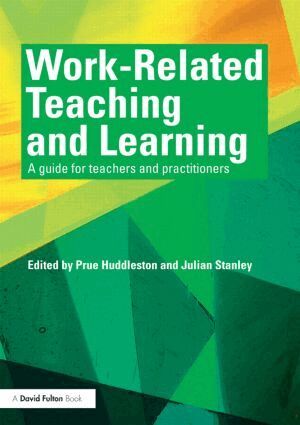
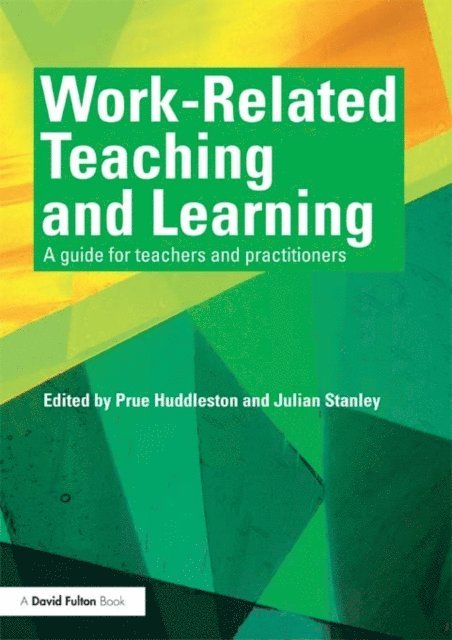
In the current economic climate, it is more important than ever that young people engage with the world of work and gain the knowledge, skills and experience they will need to prepare them for their future careers. This book provides an overarching framework for understanding all the separate parts of the work-related learning curriculum and constructs a research-based pedagogy with practical steps for students, teachers and practitioners. Work-Related Teaching and Learning deepens our understanding of work-related learning and provides an overview of the programmes and recent initiatives designed to make learning more relevant and better connected to work. Drawing on contemporary research and innovative practice, it offers guidance to support teachers and practitioners in the delivery of the work-related learning curriculum. Covering all aspects of word-related learning from enterprise education and economic well-being to careers education, work experience and the diplomas, features include: An overarching conceptualisation of work-related learning An exploration of the benefits of work-related learning An examination of the key issues and challenges faced A detailed look at how teaching and learning activities have been used in various contexts and with what effects An assessment of the strengths and weaknesses of different curriculum models Case studies and examples of good practice Discussion questions for reflective practiceThis book is essential reading for current teachers and practitioners involved in work-related learning, as well as students and trainee teachers who wish to improve or develop their practice in the light of recent initiatives.
2 030 kr
Skickas inom 10-15 vardagar
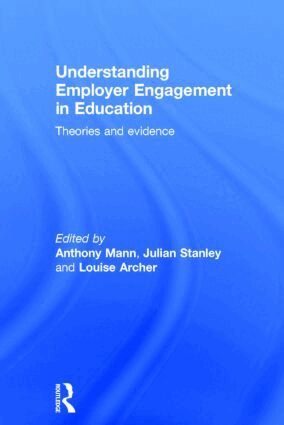
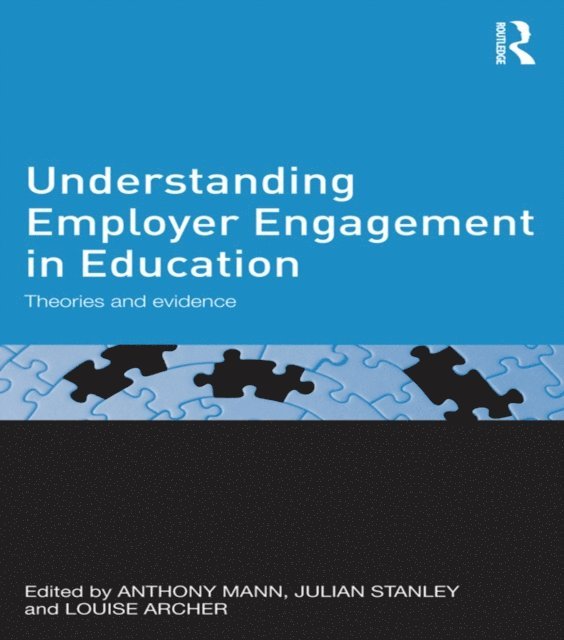
This collection focuses on employer engagement in education, how it is delivered and the differentiated impact it has on young people in their progression through schooling and higher education into the labour market. The focus is not narrowly on vocational or technical education or work-related learning, but on how employer engagement (eg, work experience, internships, careers education, workplace visits, mentoring, enterprise education etc) influences the experiences and outcomes of the broad range of young people across mainstream academic learning programmes. The essays explore the different ways in which education can support or constrain social mobility and, in particular, how employer engagement in education can have significant impact upon social mobility – both positive and negative. Leading international contributors examine issues surrounding employer engagement and social mobility: conceptualisations of employer engagement; trends in social mobility; employer engagement and social class; access and management of work experience; social capital and aspiration; access to employment. The book makes employer engagement an innovative focus in relation to the well established fields of social mobility and school to work transition. By examining what difference employer engagement makes, the essays raise questions about conventional models and show how research drawing on different fields and disciplines can be brought together to provide a more coherent and convincing account. Building on new theorisations and combining existing and new data, the collection offers a systematic exploration of the influence of socio-economic status on school-to-work transitions, and addresses how educational policy can shape more efficient labour market outcomes. In doing so, it draws on, and speaks to, existing literature which has considered such questions from the perspectives of gender, ethnicity and social disadvantage.
692 kr
Skickas inom 10-15 vardagar
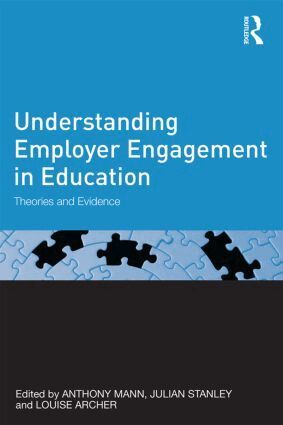
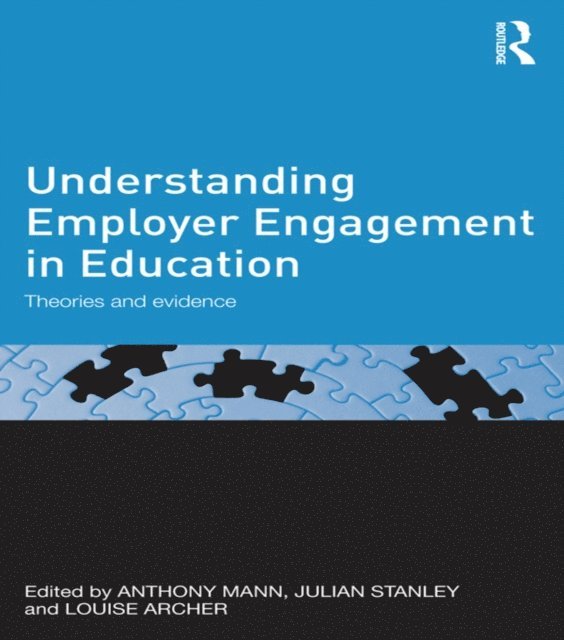
This collection focuses on employer engagement in education, how it is delivered and the differentiated impact it has on young people in their progression through schooling and higher education into the labour market. The focus is not narrowly on vocational or technical education or work-related learning, but on how employer engagement (eg, work experience, internships, careers education, workplace visits, mentoring, enterprise education etc) influences the experiences and outcomes of the broad range of young people across mainstream academic learning programmes. The essays explore the different ways in which education can support or constrain social mobility and, in particular, how employer engagement in education can have significant impact upon social mobility – both positive and negative. Leading international contributors examine issues surrounding employer engagement and social mobility: conceptualisations of employer engagement; trends in social mobility; employer engagement and social class; access and management of work experience; social capital and aspiration; access to employment. The book makes employer engagement an innovative focus in relation to the well established fields of social mobility and school to work transition. By examining what difference employer engagement makes, the essays raise questions about conventional models and show how research drawing on different fields and disciplines can be brought together to provide a more coherent and convincing account. Building on new theorisations and combining existing and new data, the collection offers a systematic exploration of the influence of socio-economic status on school-to-work transitions, and addresses how educational policy can shape more efficient labour market outcomes. In doing so, it draws on, and speaks to, existing literature which has considered such questions from the perspectives of gender, ethnicity and social disadvantage.