Julie A. Fisher – författare
Visar alla böcker från författaren Julie A. Fisher. Handla med fri frakt och snabb leverans.
5 produkter
5 produkter
Inbunden, Engelska, 2014
1 669 kr
Skickas inom 10-15 vardagar
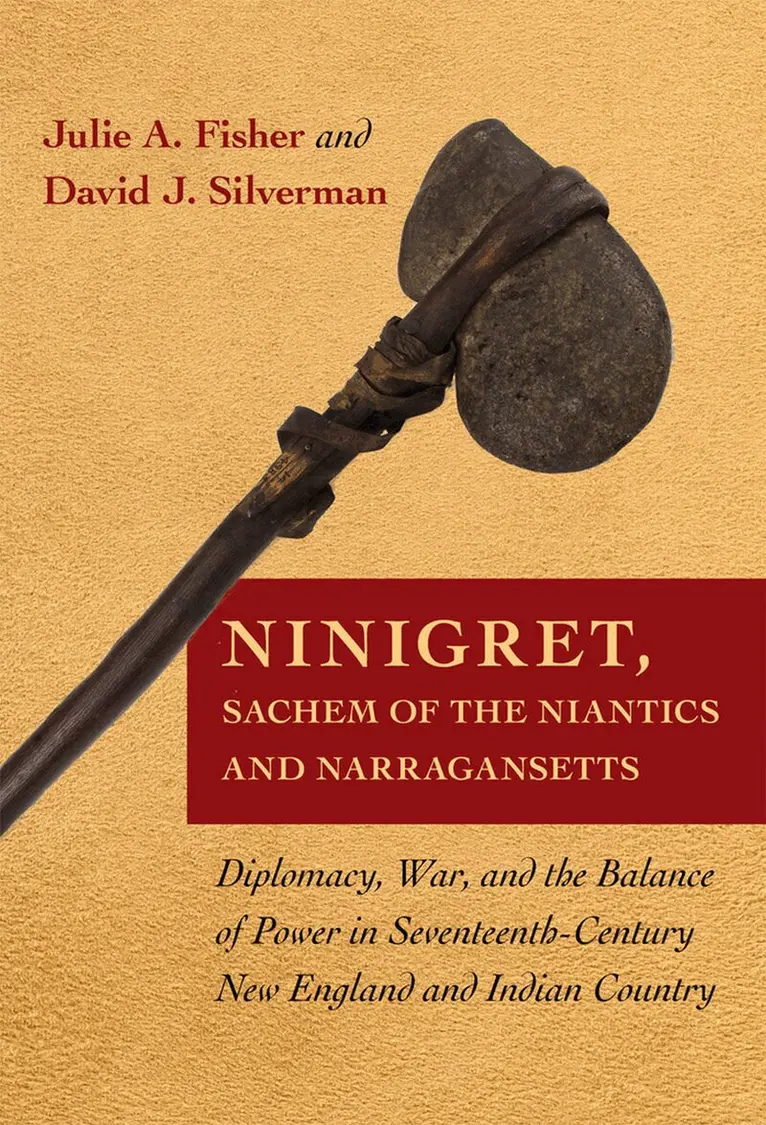
"Ninigret adds layers to a crucial period in regional and early American history, and it invites future conversations about cross-cultural power brokers and the nature of indigenous authority and adaptation in the midst of English settler colonialism."— The New England QuarterlyNinigret (c. 1600–1676) was a sachem of the Niantic and Narragansett Indians of what is now Rhode Island from the mid-1630s through the mid-1670s. For Ninigret and his contemporaries, Indian Country and New England were multipolar political worlds shaped by ever-shifting intertribal rivalries. In the first biography of Ninigret, Julie A. Fisher and David J. Silverman assert that he was the most influential Indian leader of his era in southern New England. As such, he was a key to the balance of power in both Indian-colonial and intertribal relations.Ninigret was at the center of almost every major development involving southern New England Indians between the Pequot War of 1636–37 and King Philip’s War of 1675–76. He led the Narragansetts’ campaign to become the region’s major power, including a decades-long war against the Mohegans led by Uncas, Ninigret’s archrival. To offset growing English power, Ninigret formed long-distance alliances with the powerful Mohawks of the Iroquois League and the Pocumtucks of the Connecticut River Valley. Over the course of Ninigret’s life, English officials repeatedly charged him with plotting to organize a coalition of tribes and even the Dutch to roll back English settlement. Ironically, though, Ninigret refused to take up arms against the English in King Philip’s War. Ninigret died at the end of the war, having guided his people through one of the most tumultuous chapters of the colonial era.
Häftad, Engelska, 2017
222 kr
Skickas inom 10-15 vardagar
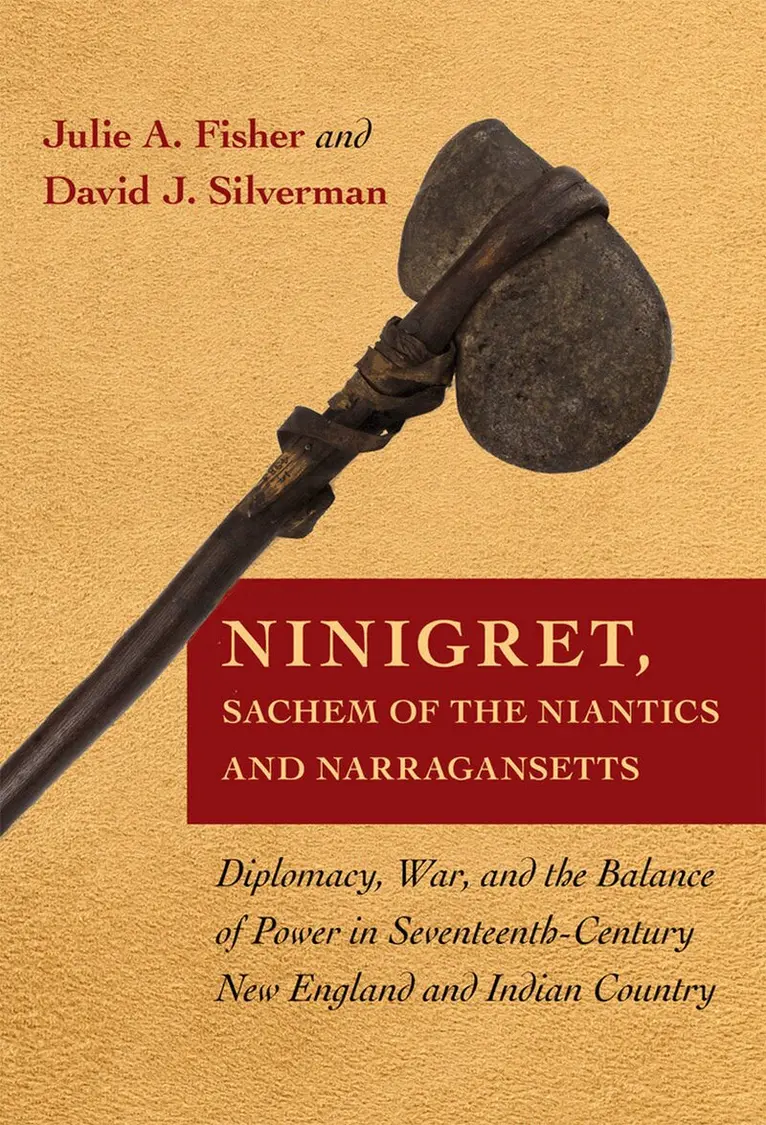
"Ninigret adds layers to a crucial period in regional and early American history, and it invites future conversations about cross-cultural power brokers and the nature of indigenous authority and adaptation in the midst of English settler colonialism."— The New England QuarterlyNinigret (c. 1600–1676) was a sachem of the Niantic and Narragansett Indians of what is now Rhode Island from the mid-1630s through the mid-1670s. For Ninigret and his contemporaries, Indian Country and New England were multipolar political worlds shaped by ever-shifting intertribal rivalries. In the first biography of Ninigret, Julie A. Fisher and David J. Silverman assert that he was the most influential Indian leader of his era in southern New England. As such, he was a key to the balance of power in both Indian-colonial and intertribal relations.Ninigret was at the center of almost every major development involving southern New England Indians between the Pequot War of 1636–37 and King Philip’s War of 1675–76. He led the Narragansetts’ campaign to become the region’s major power, including a decades-long war against the Mohegans led by Uncas, Ninigret’s archrival. To offset growing English power, Ninigret formed long-distance alliances with the powerful Mohawks of the Iroquois League and the Pocumtucks of the Connecticut River Valley. Over the course of Ninigret’s life, English officials repeatedly charged him with plotting to organize a coalition of tribes and even the Dutch to roll back English settlement. Ironically, though, Ninigret refused to take up arms against the English in King Philip’s War. Ninigret died at the end of the war, having guided his people through one of the most tumultuous chapters of the colonial era.
Häftad, Engelska, 2024
376 kr
Skickas inom 5-8 vardagar
Inbunden, Engelska, 2024
556 kr
Skickas inom 5-8 vardagar
E-bok
Engelska, 2024693 kr
Läs direkt efter köp
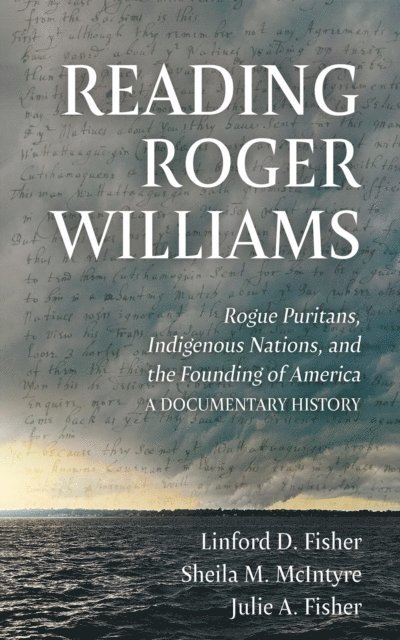
Roger Williams is best known as the founder of Rhode Island who was banished from Massachusetts in 1636 for his dangerous thoughts on religious liberty. But the city and colony Williams helped to found was deep in Native country situated between the powerful Narragansett and Wampanoag nations. The Williams that emerges from the documents in this collection is immersed in a dynamic world of Native politics, engaged in regional and trans-Atlantic debates and conversations about religious freedom and the separation of church and state, and situated at the crossroads of colonial outposts and powerful Native nations. Williams lived among and relied on the generosity of his Narragansett neighbors and yet he was a Native enslaver and part of a process that dispossessed regional Indigenous populations. He could establish a colony based on full religious freedom and yet bitterly complain and campaign against residents with whom he disagreed, such as Samuel Gorton or the Quakers. For the first time, Reading Roger Williams offers readers the opportunity to explore the many facets of Williams''s life by including selections from all of his writings, starting with his life in London and ending with one of his final letters, written when he was nearly eighty years old. Each document includes an introduction and annotations to help the reader better understand the text and context.