Julie Adkins – författare
Visar alla böcker från författaren Julie Adkins. Handla med fri frakt och snabb leverans.
4 produkter
4 produkter
Bridging the Gaps
Faith-based Organizations, Neoliberalism, and Development in Latin America and the Caribbean
Inbunden, Engelska, 2009
1 343 kr
Skickas inom 10-15 vardagar
As neoliberal philosophies and economic models spread across the globe, faith-based non-governmental ("third-sector") organizations have proliferated. They increasingly fill the gaps born of state neglect by designing and delivering social services and development programming. This collection shines a much-needed critical light onto these organizations by exploring the varied ways that faith-based organizations attempt to mend the fissures and mitigate the effects of neoliberal capitalism and development practices on the poor and powerless. The essays—grounded in empirical case studies—cover such topics as the meaning of "faith-based" development, evaluations of faith-based versus secular approaches, the influence of faith-orientation on program formulation and delivery, and examinations of faith-based organizations' impacts on structural inequality and poverty alleviation. Bridging the Gaps demonstrates the vital importance of ethnography for understanding the particular role of faith-based agencies in Latin America, revealing both the promise and the limitations of this "new" mode of development.
Not by Faith Alone
Social Services, Social Justice, and Faith-Based Organizations in the United States
Inbunden, Engelska, 2010
1 476 kr
Skickas inom 10-15 vardagar
This edited collection provides an in-depth ethnographic study of faith-based development organizations in the United States, shining a much needed critical light onto these organizations and their role in the United States by exploring the varied ways that faith-based organizations attempt to mend the fissures and mitigate the effects of neoliberal capitalism, poverty, and the social service sector on the poor and powerless. In doing so, Not by Faith Alone generates provocative and sophisticated analyses-grounded in empirical case studies-of such topics as the meaning of "faith-based" development, evaluations of faith-based versus secular approaches, the influence of faith-orientation on program formulation and delivery, and examinations of faith-based organizations' impacts on structural inequality and poverty alleviation. Taken together, the chapters in this volume demonstrate the vital importance of ethnography for understanding the particular role of faith-based agencies in development. The contributors argue for an understanding of faith-based development that moves beyond either dismissing or uncritically supporting faith-based initiatives. Instead, contributors demonstrate the importance of grounded analysis of the specific discourses, practices, and beliefs that imbue faith-based development with such power and reveal both the promise and the limitations of this particular vehicle of service delivery.
Not by Faith Alone
Social Services, Social Justice, and Faith-Based Organizations in the United States
Häftad, Engelska, 2011
675 kr
Skickas inom 10-15 vardagar
This edited collection provides an in-depth ethnographic study of faith-based development organizations in the United States, shining a much needed critical light onto these organizations and their role in the United States by exploring the varied ways that faith-based organizations attempt to mend the fissures and mitigate the effects of neoliberal capitalism, poverty, and the social service sector on the poor and powerless. In doing so, Not by Faith Alone generates provocative and sophisticated analyses-grounded in empirical case studies-of such topics as the meaning of "faith-based" development, evaluations of faith-based versus secular approaches, the influence of faith-orientation on program formulation and delivery, and examinations of faith-based organizations' impacts on structural inequality and poverty alleviation. Taken together, the chapters in this volume demonstrate the vital importance of ethnography for understanding the particular role of faith-based agencies in development. The contributors argue for an understanding of faith-based development that moves beyond either dismissing or uncritically supporting faith-based initiatives. Instead, contributors demonstrate the importance of grounded analysis of the specific discourses, practices, and beliefs that imbue faith-based development with such power and reveal both the promise and the limitations of this particular vehicle of service delivery.
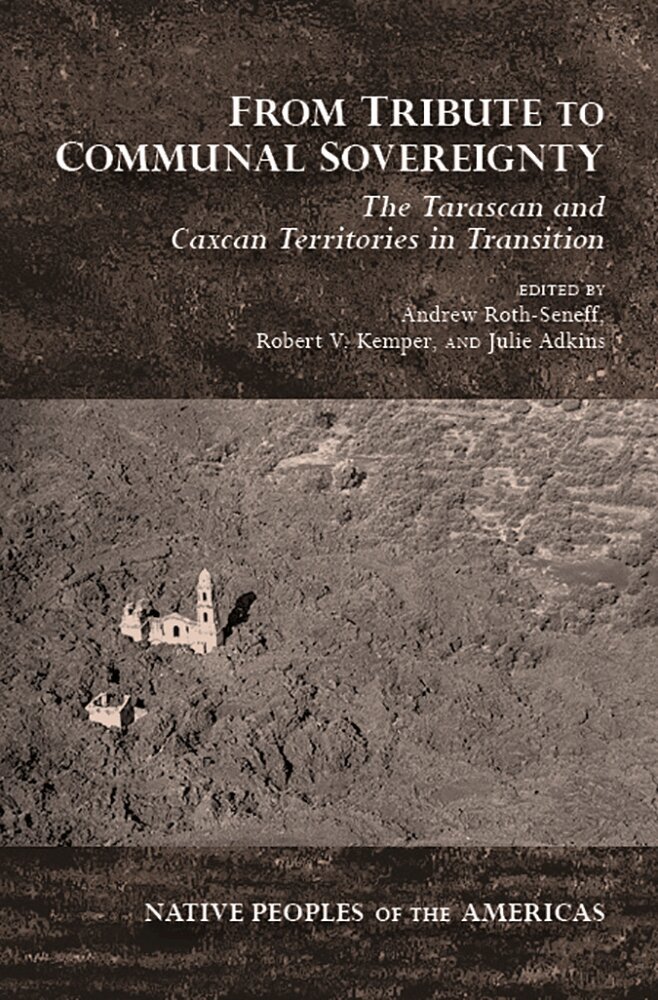
From Tribute to Communal Sovereignty
The Tarascan and Caxcan Territories in Transition
Inbunden, Engelska, 2015
649 kr
Skickas inom 11-20 vardagar
From Tribute to Communal Sovereignty examines both continuity and change over the last five centuries for the indigenous peoples of Central Western Mexico, providing the first sweeping and comprehensive regional history of this important region in Mesoamerica.The continuities elucidated concern ancestral territorial claims that date back centuries and reflect the stable geographic locations occupied by core populations of indigenous language–speakers in or near their pre-Columbian territories since the Postclassical period, from the thirteenth to late fifteenth centuries. A common theme of this volume is the strong cohesive forces present, not only in the colonial construction of Christian village communities in Purhépecha and Nahuatl groups in Michoacán but also in the demographically less inclusive Huichol (Wixarika) and Cora and Tepehuan groups, whose territories were more extensive.The authors review a cluster of related themes: settlement patterns of the last five centuries in Central Western Mexico, language distribution, ritual representation of territoriality, processes of collective identity, and the forms of participation and resistance during different phases of Mexican state formation. From such research, the question arises: does the village community constitute a unique level of organization of the experience of the original peoples of Central Western Mexico? The chapters address this question in rich and complex ways by first focusing on the past configurations and changes in lifeways during the transition from pre-Columbian to Spanish rule in tributary empires, then examining the long-term postcolonial process of Mexican Independence that introduced the emerging theme of the communal sovereignty.