Julie Chajes – författare
Visar alla böcker från författaren Julie Chajes. Handla med fri frakt och snabb leverans.
4 produkter
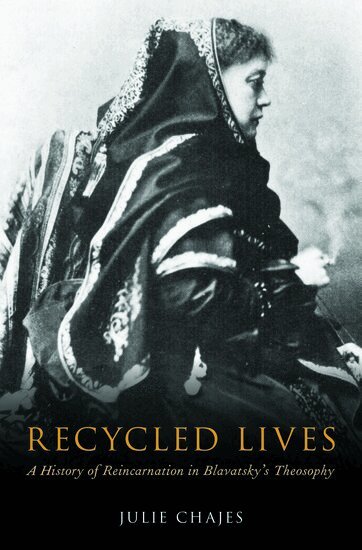
Recycled Lives
A History of Reincarnation in Blavatsky's Theosophy
Av Julie Chajes
Inbunden, 2019
1943 kr
Lägg i varukorg
A sizeable minority of people with no particular connection to Eastern religions now believe in reincarnation. The rise in popularity of this belief over the last century and a half is directly traceable to the impact of the nineteenth century's largest and most influential Western esoteric …
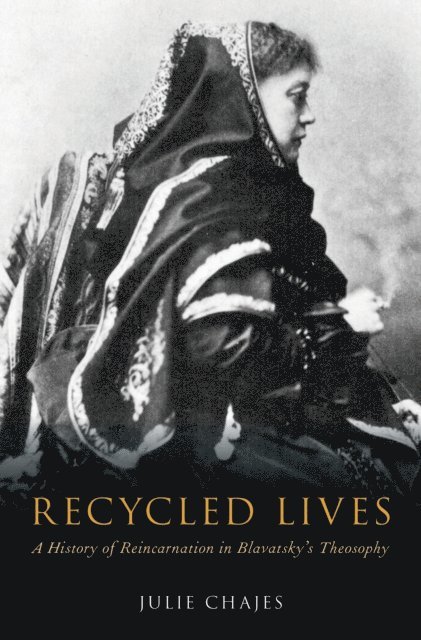
Recycled Lives
A History of Reincarnation in Blavatsky''s Theosophy
Av Julie Chajes
E-bok, 2019
1375 kr
Lägg i varukorg
A sizeable minority of people with no particular connection to Eastern religions now believe in reincarnation. The rise in popularity of this belief over the last century and a half is directly traceable to the impact of the nineteenth century''s largest and most influential Western esoteric …
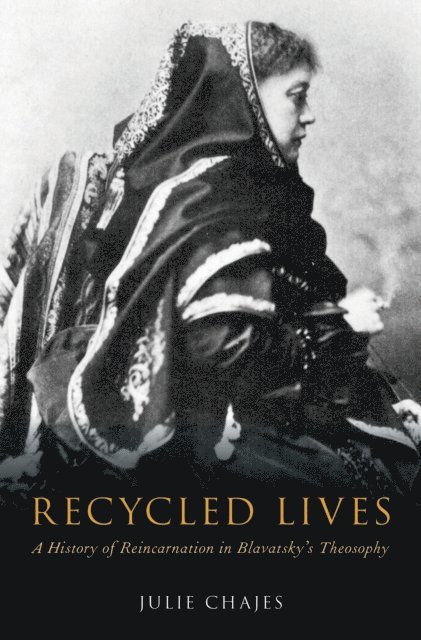
Recycled Lives
A History of Reincarnation in Blavatsky''s Theosophy
Av Julie Chajes
E-bok, 2019
1375 kr
Lägg i varukorg
A sizeable minority of people with no particular connection to Eastern religions now believe in reincarnation. The rise in popularity of this belief over the last century and a half is directly traceable to the impact of the nineteenth century''s largest and most influential Western esoteric …
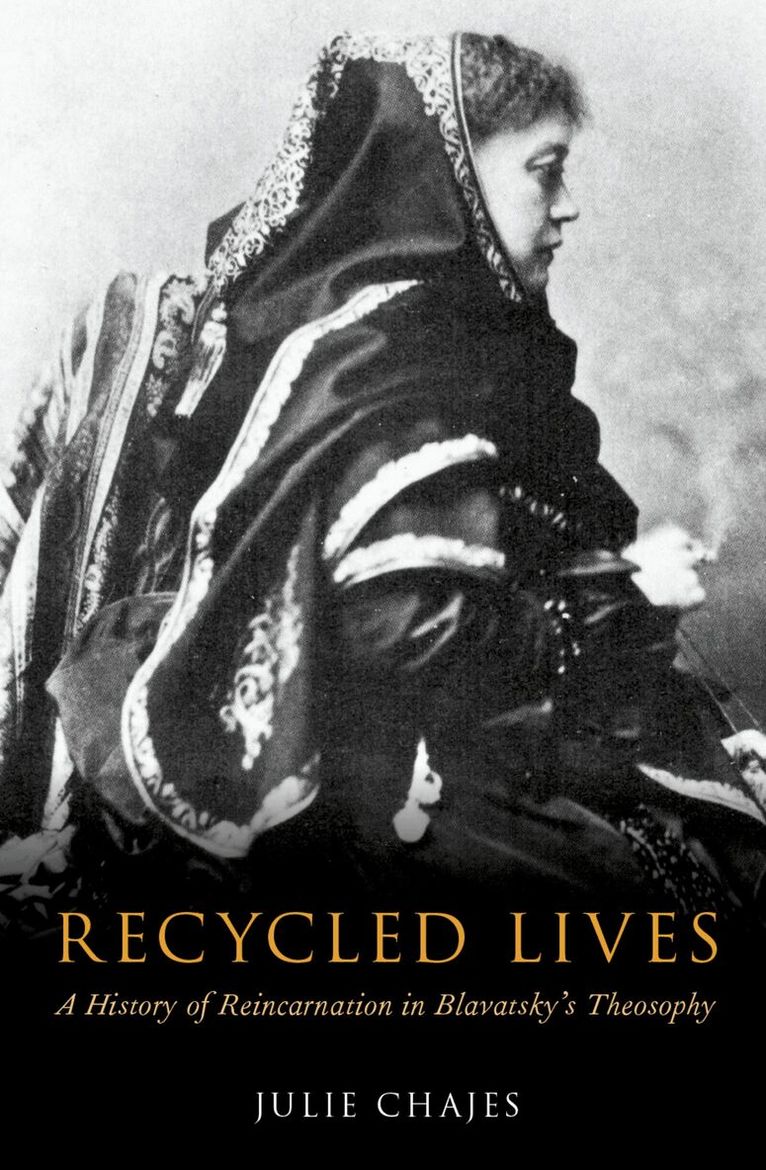
Recycled Lives
A History of Reincarnation in Blavatsky's Theosophy
Av Julie Chajes
Häftad, 2027
335 kr
Lägg i varukorg
A sizeable minority of people with no particular connection to Eastern religions now believe in reincarnation. The rise in popularity of this belief over the last century and a half is directly traceable to the impact of the nineteenth century's largest and most influential Western esoteric …