Julie P. Gentile – författare
Visar alla böcker från författaren Julie P. Gentile. Handla med fri frakt och snabb leverans.
6 produkter
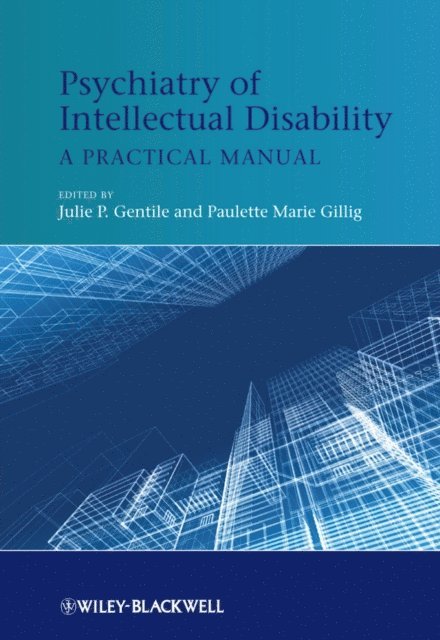
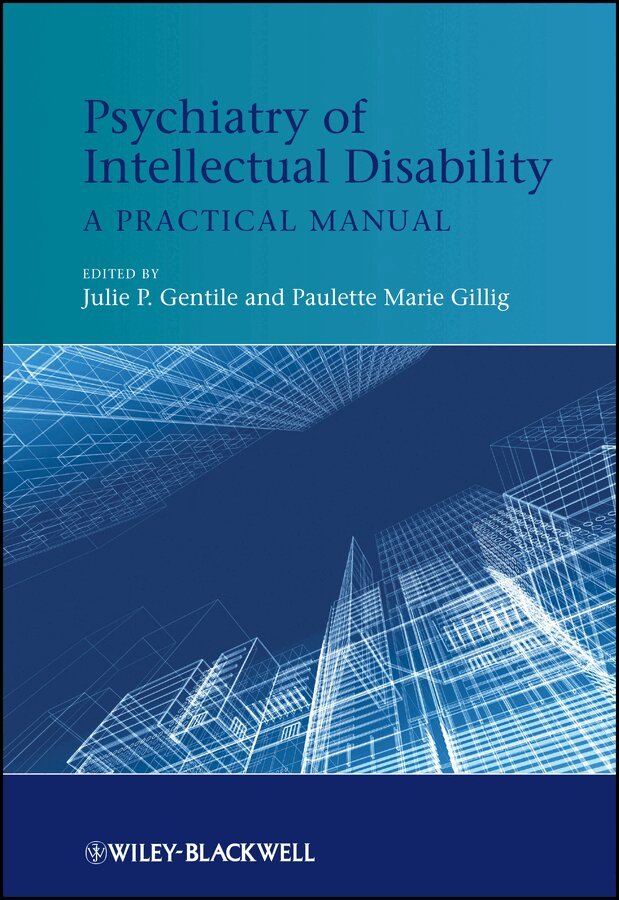
Psychiatry of Intellectual Disability
A Practical Manual
Av Paulette Marie Gillig, Julie P. Gentile
E-bok, 2012
985 kr
Lägg i varukorg
Patients with intellectual disability (ID) can benefit from the full range of mental health services. To ensure that psychiatric assessment, diagnosis and treatment interventions are relevant and effective; individuals with ID should be evaluated and treated within the context of their …
Psychiatry of Intellectual Disability
A Practical Manual
Av Paulette Marie Gillig, Julie P. Gentile
E-bok, 2012
985 kr
Lägg i varukorg
Patients with intellectual disability (ID) can benefit from the full range of mental health services. To ensure that psychiatric assessment, diagnosis and treatment interventions are relevant and effective; individuals with ID should be evaluated and treated within the context of their …
Psychiatry of Intellectual Disability
A Practical Manual
Av Julie P. Gentile, Julie P. Gentile m. fl.
Inbunden, 2012
866 kr
Lägg i varukorg
Patients with intellectual disability (ID) can benefit from the full range of mental health services. To ensure that psychiatric assessment, diagnosis and treatment interventions are relevant and effective; individuals with ID should be evaluated and treated within the context of their …
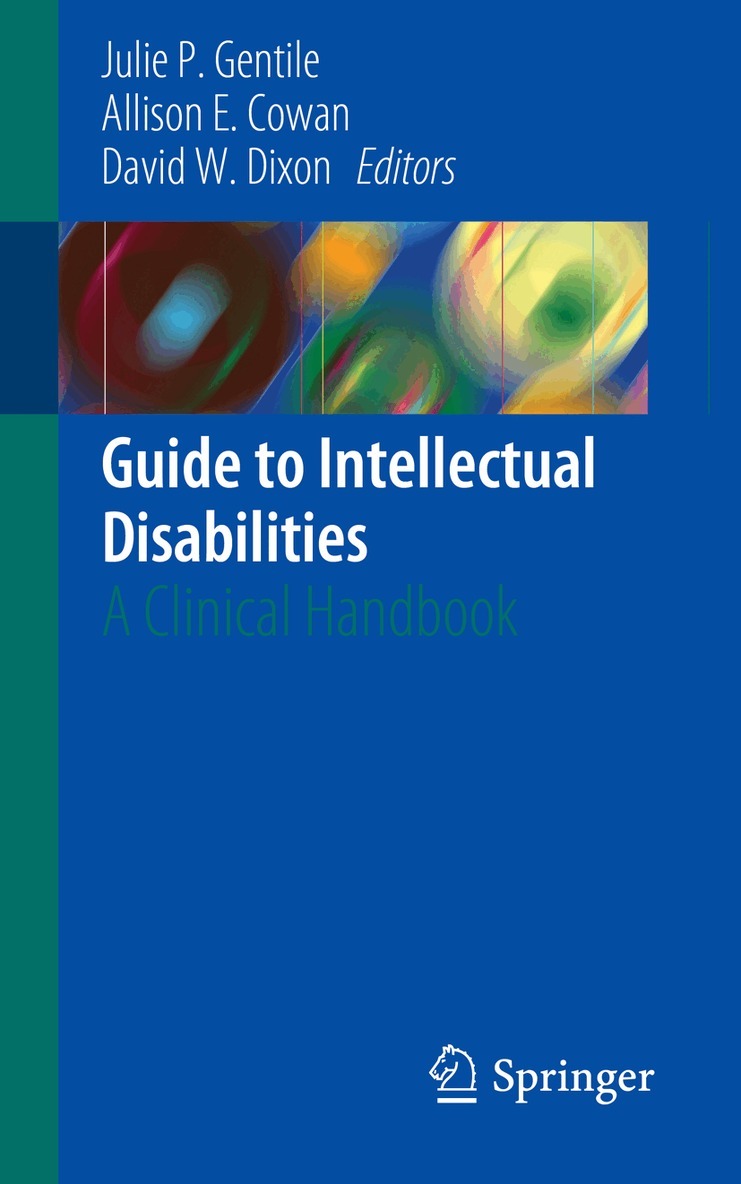
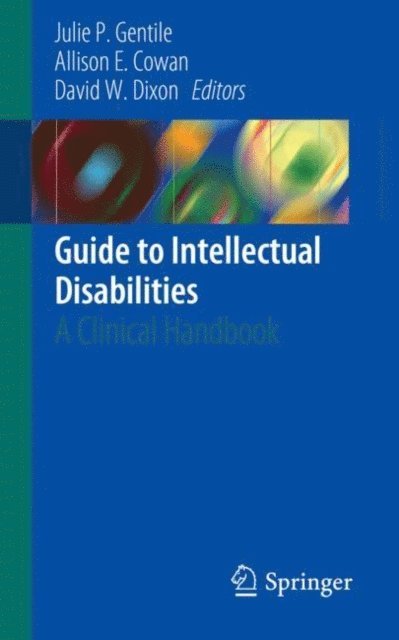
Guide to Intellectual Disabilities
A Clinical Handbook
Av Julie P. Gentile, Allison E. Cowan m. fl.
Häftad, 2019
794 kr
Lägg i varukorg
This book covers a curriculum of topics for treating patients with co-occurring intellectual disabilities and mental illness, better known as dual diagnosis (DD). Though these patients represent approximately three percent of the population, they are largely underserved due to a huge gap in the …
Guide to Intellectual Disabilities
A Clinical Handbook
Av David W. Dixon, Allison E. Cowan m. fl.
E-bok, 2019
1007 kr
Lägg i varukorg
This book covers a curriculum of topics for treating patients with co-occurring intellectual disabilities and mental illness, better known as dual diagnosis (DD). Though these patients represent approximately three percent of the population, they are largely underserved due to a huge gap in the …
Psychiatry of Intellectual Disability – A Practical Manual
Av Julie P. Gentile, Paulette Marie Gillig
2012
792 kr
Tillfälligt slut
Patients with intellectual disability (ID) can benefit from the full range of mental health services. To ensure that psychiatric assessment, diagnosis and treatment interventions are relevant and effective; individuals with ID should be evaluated and treated within the context of their …