Juliet Nicolson – författare
Visar alla böcker från författaren Juliet Nicolson. Handla med fri frakt och snabb leverans.
18 produkter
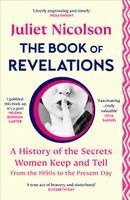
Book of Revelations
A History of the Secrets Women Keep and Tell from the 1950s to the Present Day
Häftad, 2026
160 kr
Lägg i varukorg
‘Utterly engrossing and timely’ INDIA KNIGHT‘A true act of bravery and sisterhood’ ELIZABETH DAY ‘Fascinating…truly valuable’ JULIA SAMUEL‘I gobbled this book up. It’s a gem’ HELEN BONHAM CARTERA fascinating blend of social history and first-person stories looking at women and their secrets - and …
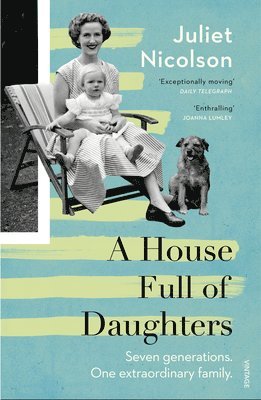
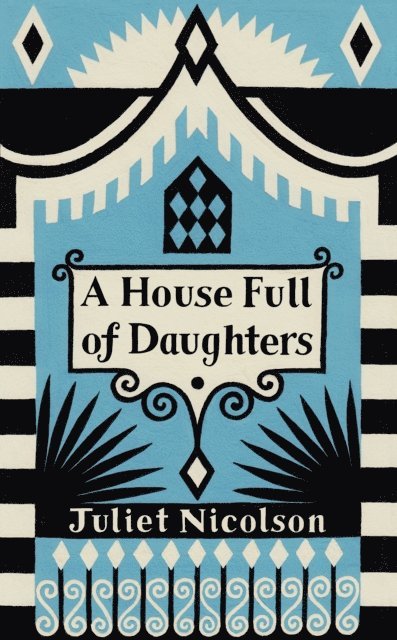
House Full of Daughters
Häftad, 2017
165 kr
Lägg i varukorg
One woman’s investigation into the nature of memory, the past, and above all, love. All families have their myths and Juliet Nicolson’s was no different: her flamenco dancing great-great-grandmother Pepita, the flirty manipulation of her great-grandmother Victoria, the infamous eccentricity of her …
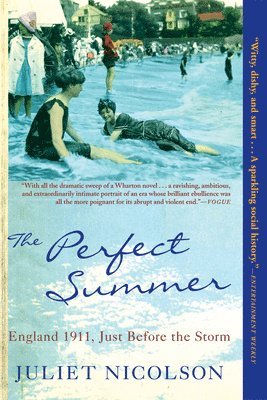
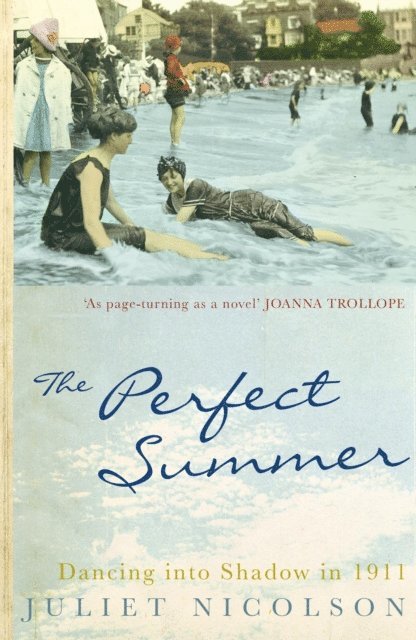
Perfect Summer
Häftad, 2007
173 kr
Lägg i varukorg
'As page-turning as a novel' Joanna TrollopeOne summer of nearly a hundred years ago saw one of the high sunlit meadows of English history. A new king was crowned; audiences swarmed to Covent Garden to see the Ballet Russes and Nijinskys gravity-defying leaps. The aristocracy was at play, bounding …
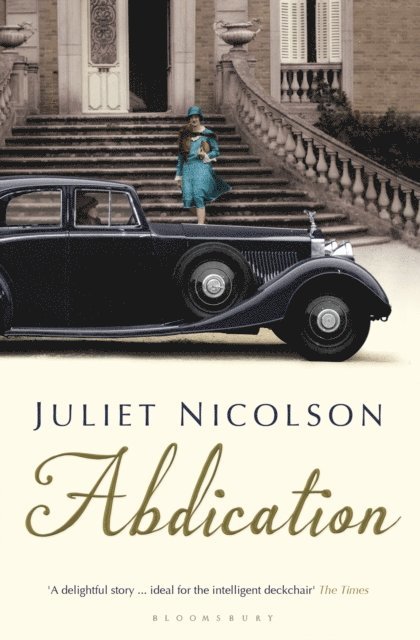
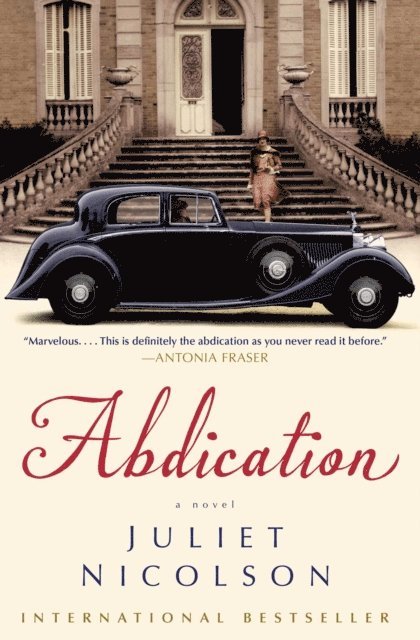
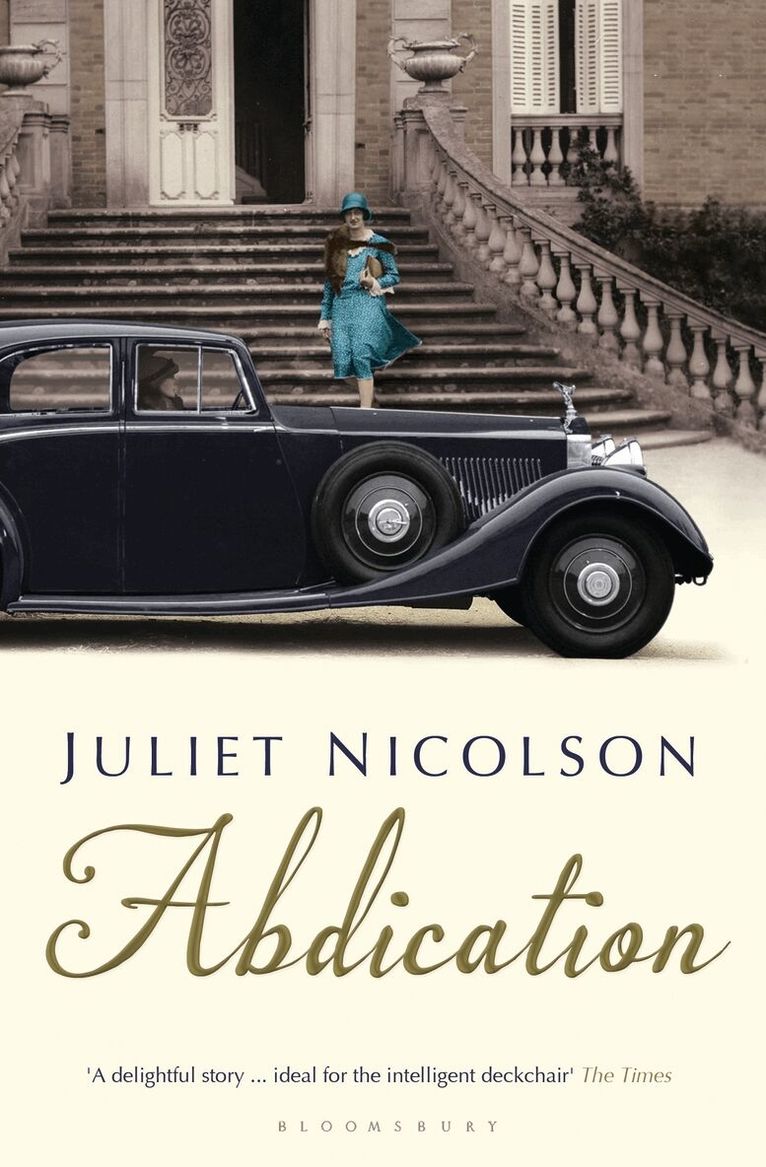
Abdication
E-bok, 2012
113 kr
Lägg i varukorg
From critically acclaimed historian Juliet Nicolson, a novel of a King and country torn between private desire and public duty on the eve of the Second World War '' Abdication beautifully evokes the troubled thirties, with its high-stakes politics, easy money and social tensions ... This is a …
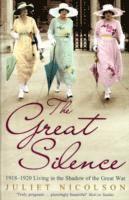
Great Silence
1918-1920: Living in the Shadow of the Great War
Häftad, 2010
162 kr
Lägg i varukorg
Peace at last, after Lloyd George declared it had been 'the war to end all wars', would surely bring relief and a renewed sense of optimism? But this assumption turned out to be deeply misplaced as people began to realise that the men they loved were never coming home. The Great Silence is the …
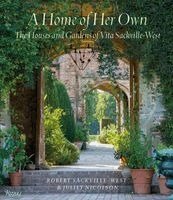
Home Of Her Own
The Houses and Gardens of Vita Sackville-West
Av Robert Sackville-West, Juliet Nicolson
Inbunden, 2027
551 kr
Kommande
A literary, horticultural, and personal tour of the legendary writer and gardener’s houses and gardens, the places that gave her work and her life a vital sense of self.Born in 1892 at Knole, a Jacobean palace and treasure house, Vita died seventy years later at Sissinghurst, where she had created …
Abdication
A Novel
E-bok, 2012
173 kr
Lägg i varukorg
“Goodness, Abdication really is good. I’m in awe of Juliet’s ability” (Jessica Fellowes, New York Times bestselling author of The World of Downton Abbey ). England, 1936. A beloved king is dead, and by year’s end, the charismatic new monarch will give up his throne for love. The world is on the …
House Full of Daughters
E-bok, 2016
125 kr
Lägg i varukorg
One woman’s investigation into the nature of memory, the past, and above all, love. All families have their myths and Juliet Nicolson’s was no different: her flamenco dancing great-great-grandmother Pepita, the flirty manipulation of her great-grandmother Victoria, the infamous eccentricity of her …
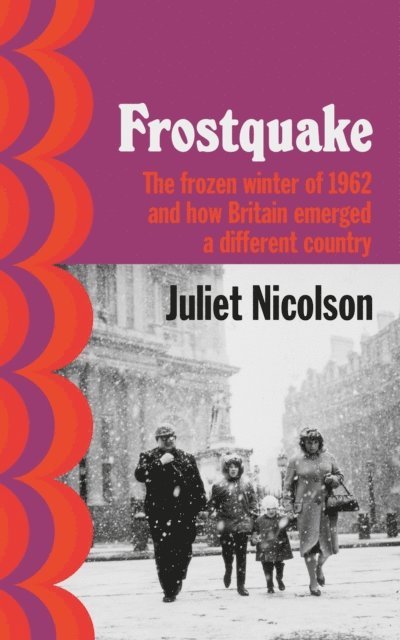
Frostquake
The frozen winter of 1962 and how Britain emerged a different country
E-bok, 2021
125 kr
Lägg i varukorg
** THE SUNDAY TIMES BESTSELLER **'This book is a must' Peter HennessyOn Boxing Day 1962, when Juliet Nicolson was eight years old, the snow began to fall. It did not stop for ten weeks.The threat of nuclear war had reached its terrifying height with the recent Cuban Missile Crisis, unemployment was …
Frostquake
The frozen winter of 1962 and how Britain emerged a different country
Ljudbok, 2021
167 kr
Lägg i varukorg
Brought to you by Penguin. On Boxing Day 1962, when Juliet Nicolson was eight years old, the snow began to fall. It did not stop for ten weeks. The drifts in East Sussex reached twenty-three feet. In London, milkmen made deliveries on skis. On Dartmoor 2,000 ponies were buried in the snow, and …
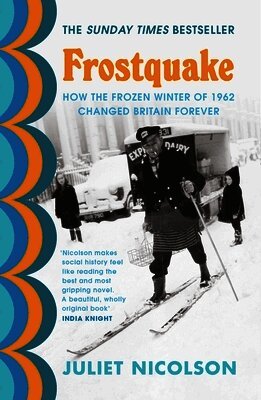
Frostquake
How the frozen winter of 1962 changed Britain forever
Häftad, 2021
4,0 utav 5 stjärnor. Totalt antal röster: (1)
171 kr
Lägg i varukorg
** THE SUNDAY TIMES BESTSELLER **'This book is a must' Peter HennessyOn Boxing Day 1962, when Juliet Nicolson was eight years old, the snow began to fall. It did not stop for ten weeks.The threat of nuclear war had reached its terrifying height with the recent Cuban Missile Crisis, unemployment was …
Book of Revelations
Women and Their Secrets From the 1950s to the Present Day
E-bok, 2025
205 kr
Lägg i varukorg
‘Utterly engrossing and timely’ INDIA KNIGHT‘A true act of bravery and sisterhood’ ELIZABETH DAY ‘Fascinating…truly valuable’ JULIA SAMUEL‘I gobbled this book up. It’s a gem’ HELEN BONHAM CARTERA fascinating blend of social history and first-person stories looking at women and their secrets - and …
Book of Revelations
Women and Their Secrets
Ljudbok, 2025
180 kr
Lägg i varukorg
A fascinating blend of social history and first-person stories looking at women and their secrets - and what they tell us about our changing timesDo you want to know a secret?The average person is keeping thirteen secrets at any one time, five of which they've never shared with a soul. A secret can …
Book of Revelations
Women and Their Secrets From the 1950s to the Present Day
Inbunden, 2025
239 kr
Lägg i varukorg
'I cannot recommend it highly enough' INDIA KNIGHT * 'I was riveted by every single page' ELIZABETH DAY * 'Dazzling and surprising' CLOVER STROUD * 'I loved this book' JULIA SAMUEL **AN iNEWS BOOK OF THE YEAR**A beautifully written blend of memoir, first-person stories and social history that …
Great Silence
1918-1920: Living in the Shadow of the Great War
E-bok, 2009
45 kr
Lägg i varukorg
Peace at last, after Lloyd George declared it had been ''the war to end all wars'', would surely bring relief and a renewed sense of optimism? But this assumption turned out to be deeply misplaced as people began to realise that the men they loved were never coming home. The Great Silence is the …
Perfect Summer
E-bok, 2007
43 kr
Lägg i varukorg
''As page-turning as a novel'' Joanna Trollope One summer of nearly a hundred years ago saw one of the high sunlit meadows of English history. A new king was crowned; audiences swarmed to Covent Garden to see the Ballet Russes and Nijinskys gravity-defying leaps. The aristocracy was at play, …
Abdication
Häftad, 2013
110 kr
Tillfälligt slut
From critically acclaimed historian Juliet Nicolson, a novel of a King and country torn between private desire and public duty on the eve of the Second World War'Abdication beautifully evokes the troubled thirties, with its high-stakes politics, easy money and social tensions ... This is a …