Juliette Trey – författare
Visar alla böcker från författaren Juliette Trey. Handla med fri frakt och snabb leverans.
2 produkter
2 produkter
686 kr
Skickas inom 7-10 vardagar
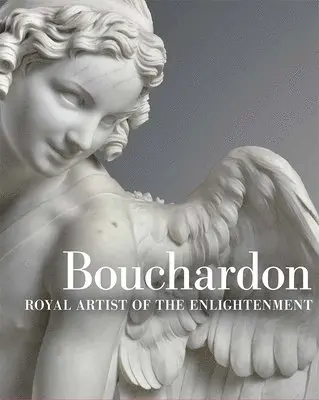
One of the most imaginative and fascinating artists of eighteenth-century France, Edme Bouchardon (1698-1762) was instrumental in the transition from Rococo to Neoclassicism and in the artistic rediscovery of classical antiquity. Much celebrated in his time, Bouchardon created some of the most iconic images of the age of Louis XV. His oeuvre demonstrates a remarkable variety of themes (from copies after the antique to subjects of history and mythology, portraiture, anatomical studies, ornament, fountains and tombs), media (drawings, sculptures, medals, prints), and techniques (chalk, plaster, wax, terracotta, marble, bronze). This lavishly illustrated publication represents an unprecedented and thorough survey on this major and unique artist from the Age of Enlightenment, offering in-depth scholarship based on unpublished material detailing the subtle relationship between, as well as the relative autonomy of, the artist's two careers as a sculptor and a draftsman.
554 kr
Tillfälligt slut
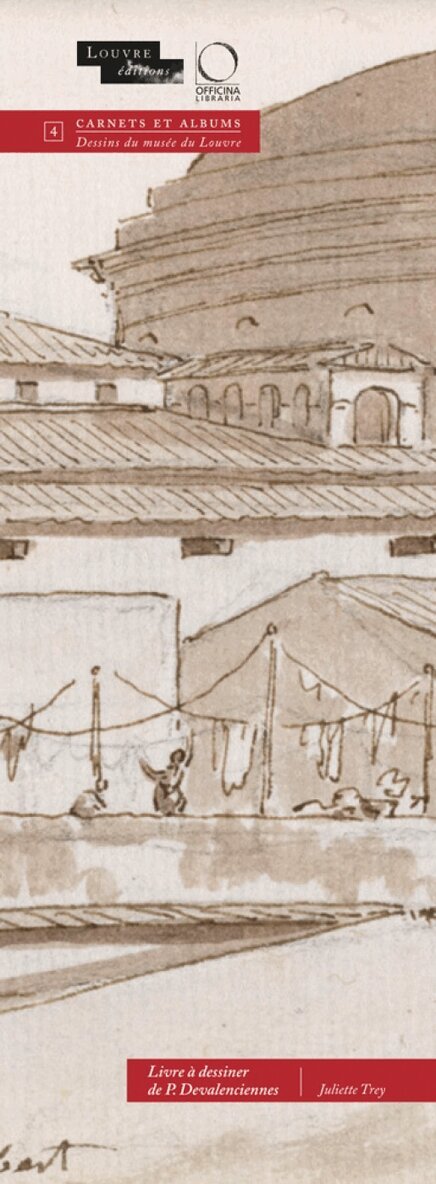
In 1778 Pierre Henri De Valenciennes, a young landscape painter from Toulouse, found himself in Rome with many other foreign artists intent on studying not only the ancient monuments and the works of the modern masters, but also to encounter Italy's light and landscape. Contrary to most of his companions, Valenciennes rarely copied ancient or modern works of art, but instead he chose to sketch views of Rome, 'a mix of antique and of modern, an assemblage of irregularity and symmetry'. The 96 pages of the sketchbook, reproduced in their actual size and accompanied by a commentary, guide us through Rome, from the river port of Ripa Grande to the basilica of St. John Lateran, from the Ponte Salario bridge to the Vatican, from Piazza Barberini to the Villa Borghese and along the banks of the river Tiber. An advocate of en plein air painting, Valenciennes' sketches use two or three tints of the same colour to trace the landscape of an ideal Rome, and to achieve this goal he did not hesitate to modify or move the surrounding architecture.Contents: Preface by Xavier Salmon, Director of the Prints and Drawings Department of the Louvre; Introduction; Travel to Italy and meeting with artists; Valenciennes' Italian Sketchbooks; Description of the organisation of Sketchbook RF 12966; Material Description; Provenance; List of Exhibitions, Bibliography.Text in French.