Julius Rocca - Böcker
Visar alla böcker från författaren Julius Rocca. Handla med fri frakt och snabb leverans.
2 produkter
2 produkter
1 240 kr
Skickas inom 7-10 vardagar
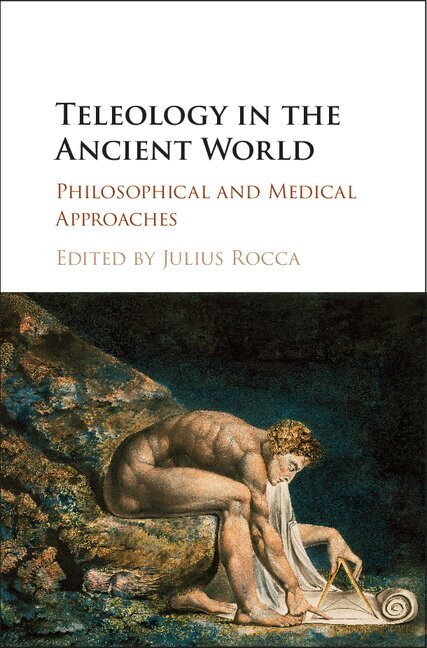
The ancient origins of teleological concepts are sometimes either conveniently forgotten or given a distorted appearance. On the one hand, ancient teleology has been obscured by the theological cloak of creationism. On the other, Darwinists have sometimes failed to give due consideration to the variety and subtlety of teleology's intellectual antecedents. The purpose of this book is to restore the balance by looking at the manifold ways in which teleology in antiquity was viewed. The volume, consisting of twelve essays by leading authorities in their fields, examines the ways in which teleological arguments were used in antiquity and how these discussions inform and influence current debates on evolution, creationism and intelligent design. As well as examining philosophical contributions to the subject, a specific aim is to examine ancient medical thinking on this topic and its relationship to ancient philosophical ideas.
Del 26 - Studies in Ancient Medicine
Galen on the Brain
Anatomical Knowledge and Physiological Speculation in the Second Century AD
Inbunden, Engelska, 2003
2 492 kr
Skickas inom 5-8 vardagar
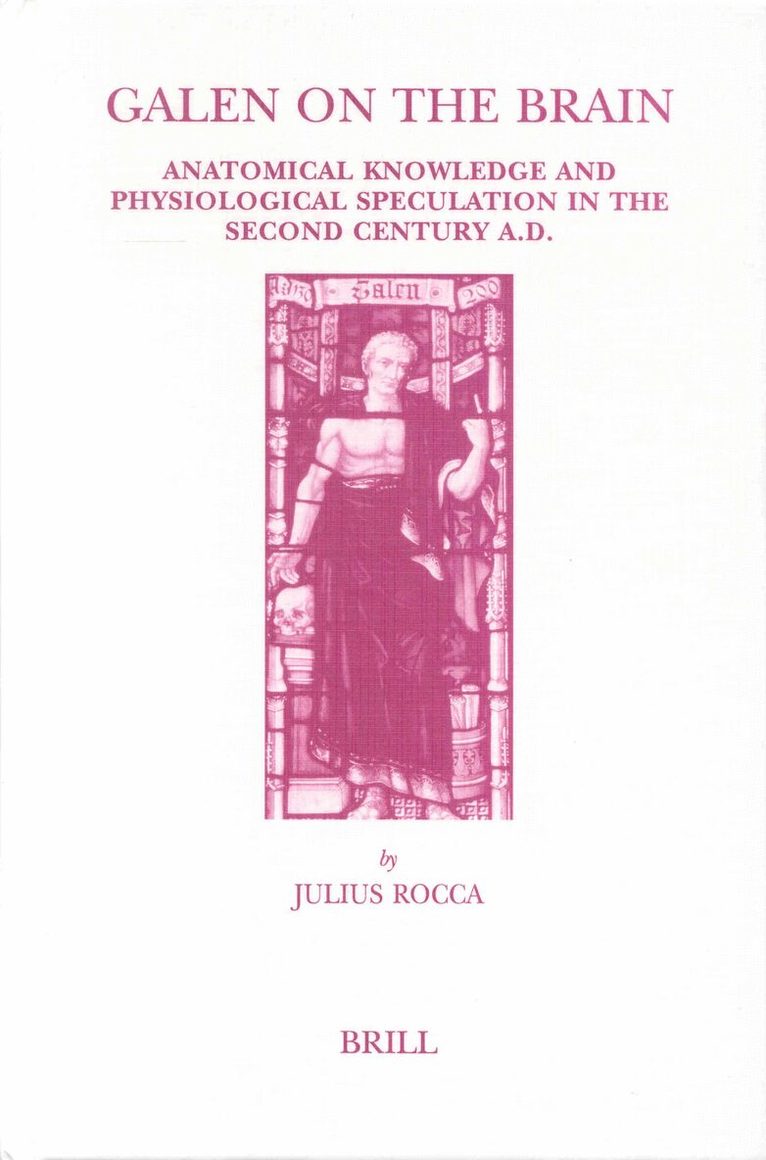
This book is a study of the ways in which Galen sought to establish the brain as the regent part (hegemonikon) of the body, utilising a rigorous anatomical epistemology and an often sophisticated (but perforce limited) set of physiological arguments Part One surveys the medical and philosophical past in which the study of the brain occured, and looks at the materials and methods which Galen employs to legitimate his hegemonic argumentation. Part Two examines Galen's anatomical understanding of the brain, especially the ventricles. Part Three offers a critical evaluation of Galen's physiolgy of the brain. This is the first monograph to offer a detailed account of this subject, setting it within the cultural and intellectual contexts of its era, and will be of interest to those in classics, medical history, history andphilosophy of science and the history of ideas.