Julius Spatz – författare
Visar alla böcker från författaren Julius Spatz. Handla med fri frakt och snabb leverans.
4 produkter
4 produkter
Del 336 - Kieler Studien - Kiel Studies
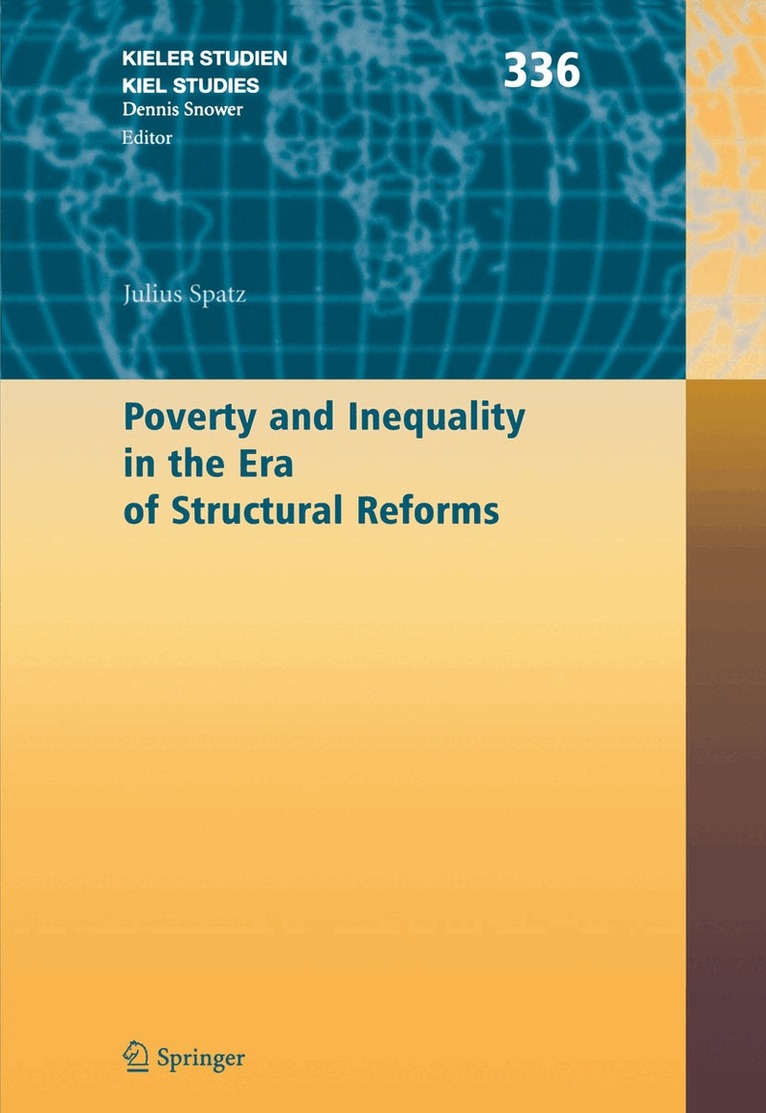
Poverty and Inequality in the Era of Structural Reforms: The Case of Bolivia
Inbunden, Engelska, 2006
1 091 kr
Skickas inom 10-15 vardagar
Fueled by the ongoing debate about the distributive effects of the Washington Consensus, the dynamics of poverty and inequality have returned to the center of attention of academic scholars, policymakers, and the public at large. The main obstacles to analyzing this issue are incomplete income and consumption data in developing countries. Hence, the book presents a new dynamic cross-survey microsimulation methodology and applies it to generate the database for a detailed case study on Bolivia during the era of structural reforms. Building upon this database, the dynamics of different dimensions of poverty and inequality in 1989 - 2002 are analyzed with various microeconomic tools. The empirical results suggest that in the case of Bolivia the impact of the Washington Consensus has neither lived up to the expectations of its proponents nor to the fears of its critics.
E-bok
PDF, Engelska, 20071 367 kr
Läs direkt efter köp
Fueled by the ongoing debate about the distributive effects of the Washington Consensus, the dynamics of poverty and inequality have returned to the center of attention of academic scholars, policymakers, and the public at large. The main obstacles to analyzing this issue are incomplete income and consumption data in developing countries. Hence, the book presents a new dynamic cross-survey microsimulation methodology and applies it to generate the database for a detailed case study on Bolivia during the era of structural reforms. Building upon this database, the dynamics of different dimensions of poverty and inequality in 1989 - 2002 are analyzed with various microeconomic tools. The empirical results suggest that in the case of Bolivia the impact of the Washington Consensus has neither lived up to the expectations of its proponents nor to the fears of its critics.
Inbunden, Tyska, 2002
873 kr
Skickas inom 10-15 vardagar
Diese Studie zielt darauf ab, wirtschaftliche Globalisierung und deren Auswirkungen auf den Arbeitsmarkt am Beispiel der deutschen, japanischen und amerikanischen Automobilindustrie zu konkretisieren. Drei Fragen stehen im Mittelpunkt: Inwieweit sind Entwicklungs- und Schwellenländer selbst in der relativ technologie- und humankapitalintensiven Automobilindustrie zu international wettbewerbsfähigen Anbietern herangereift? Finden sich aus einfachen Handelsmodellen abgeleitete Erwartungen bestätigt, dass das Vordringen von Niedrigeinkommensländern auf den Weltmärkten mit negativen Einkommens- und Beschäftigungseffekten für gering qualifizierte Arbeitskräfte in Hocheinkommensländern einhergeht? In welcher Weise haben sich die traditionellen Automobilproduzenten an den zunehmenden Wettbewerb von unten angepasst, und welcher Zusammenhang besteht zwischen der Art und Intensität des Strukturwandels und den globalisierungsbedingten Arbeitsmarkteffekten in diesem Sektor?
Del 336 - Kieler Studien - Kiel Studies
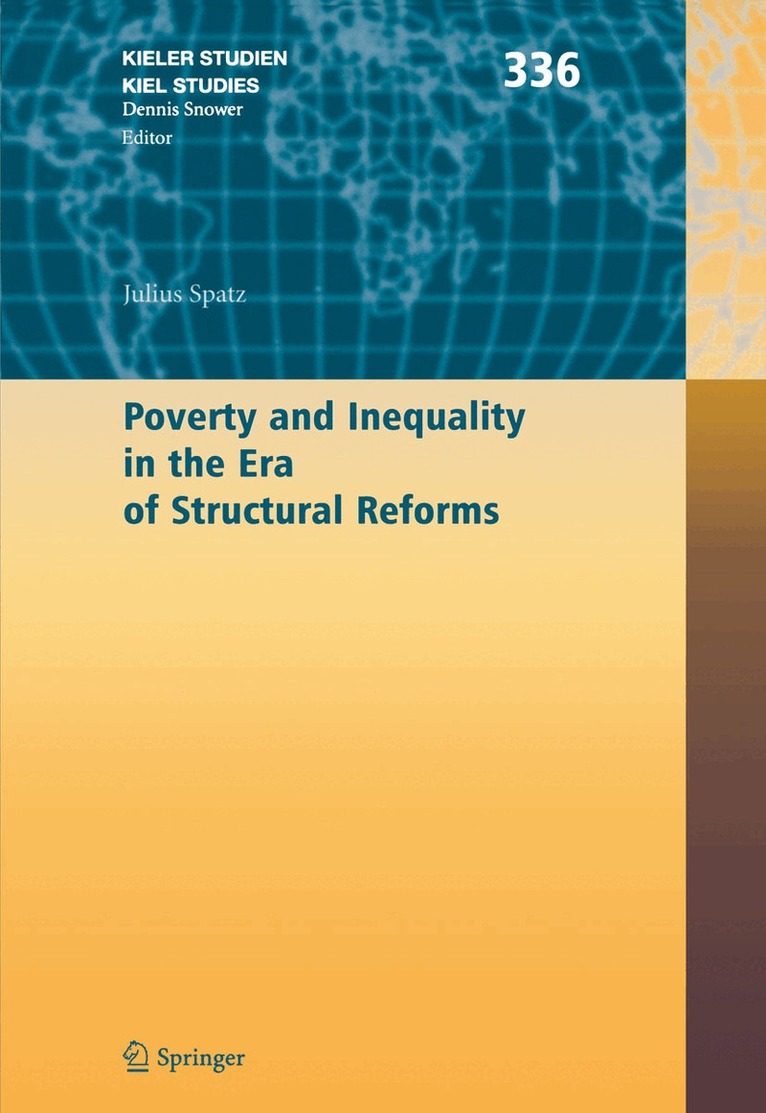
Poverty and Inequality in the Era of Structural Reforms: The Case of Bolivia
Häftad, Engelska, 2010
1 091 kr
Skickas inom 10-15 vardagar
Fueled by the ongoing debate about the distributive effects of the Washington Consensus, the dynamics of poverty and inequality have returned to the center of attention of academic scholars, policymakers, and the public at large. The main obstacles to analyzing this issue are incomplete income and consumption data in developing countries. Hence, the book presents a new dynamic cross-survey microsimulation methodology and applies it to generate the database for a detailed case study on Bolivia during the era of structural reforms. Building upon this database, the dynamics of different dimensions of poverty and inequality in 1989 - 2002 are analyzed with various microeconomic tools. The empirical results suggest that in the case of Bolivia the impact of the Washington Consensus has neither lived up to the expectations of its proponents nor to the fears of its critics.