Jun Tani – författare
Visar alla böcker från författaren Jun Tani. Handla med fri frakt och snabb leverans.
5 produkter
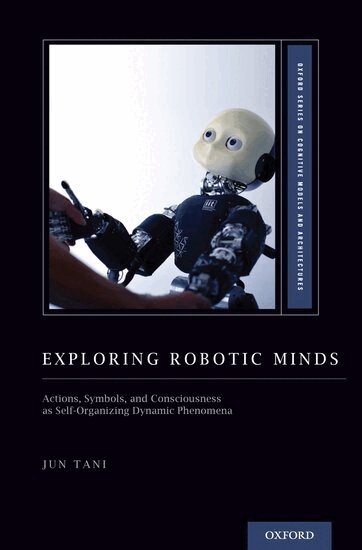
Exploring Robotic Minds
Actions, Symbols, and Consciousness as Self-Organizing Dynamic Phenomena
Av Jun Tani
Inbunden, 2016
1930 kr
Lägg i varukorg
In Exploring Robotic Minds: Actions, Symbols, and Consciousness as Self-Organizing Dynamic Phenomena, Jun Tani sets out to answer an essential and tantalizing question: How do our minds work? By providing an overview of his "synthetic neurorobotics" project, Tani reveals how symbols and concepts …
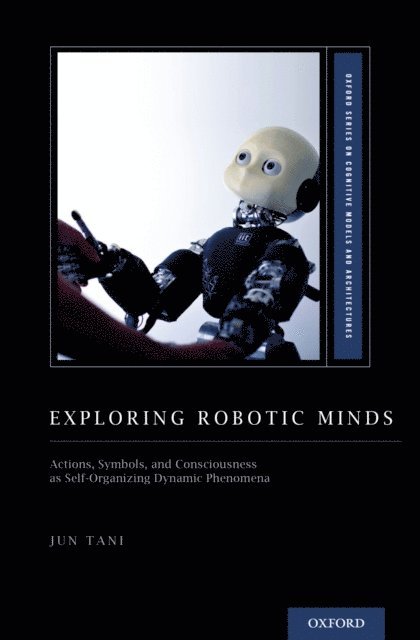
Exploring Robotic Minds
Actions, Symbols, and Consciousness as Self-Organizing Dynamic Phenomena
Av Jun Tani
E-bok, 2016
1051 kr
Lägg i varukorg
In Exploring Robotic Minds: Actions, Symbols, and Consciousness as Self-Organizing Dynamic Phenomena, Jun Tani sets out to answer an essential and tantalizing question: How do our minds work? By providing an overview of his "synthetic neurorobotics" project, Tani reveals how symbols and concepts …
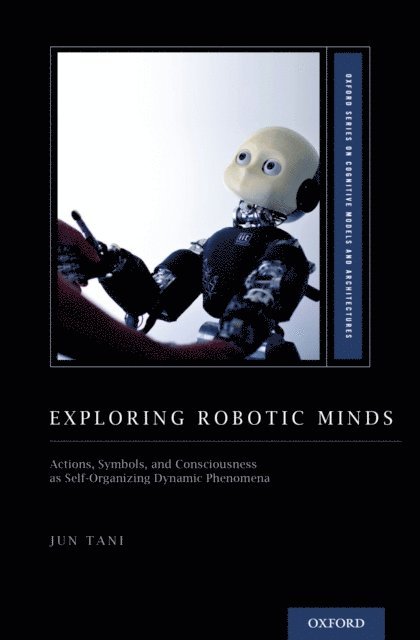
Exploring Robotic Minds
Actions, Symbols, and Consciousness as Self-Organizing Dynamic Phenomena
Av Jun Tani
E-bok, 2016
1051 kr
Lägg i varukorg
In Exploring Robotic Minds: Actions, Symbols, and Consciousness as Self-Organizing Dynamic Phenomena, Jun Tani sets out to answer an essential and tantalizing question: How do our minds work? By providing an overview of his "synthetic neurorobotics" project, Tani reveals how symbols and concepts …
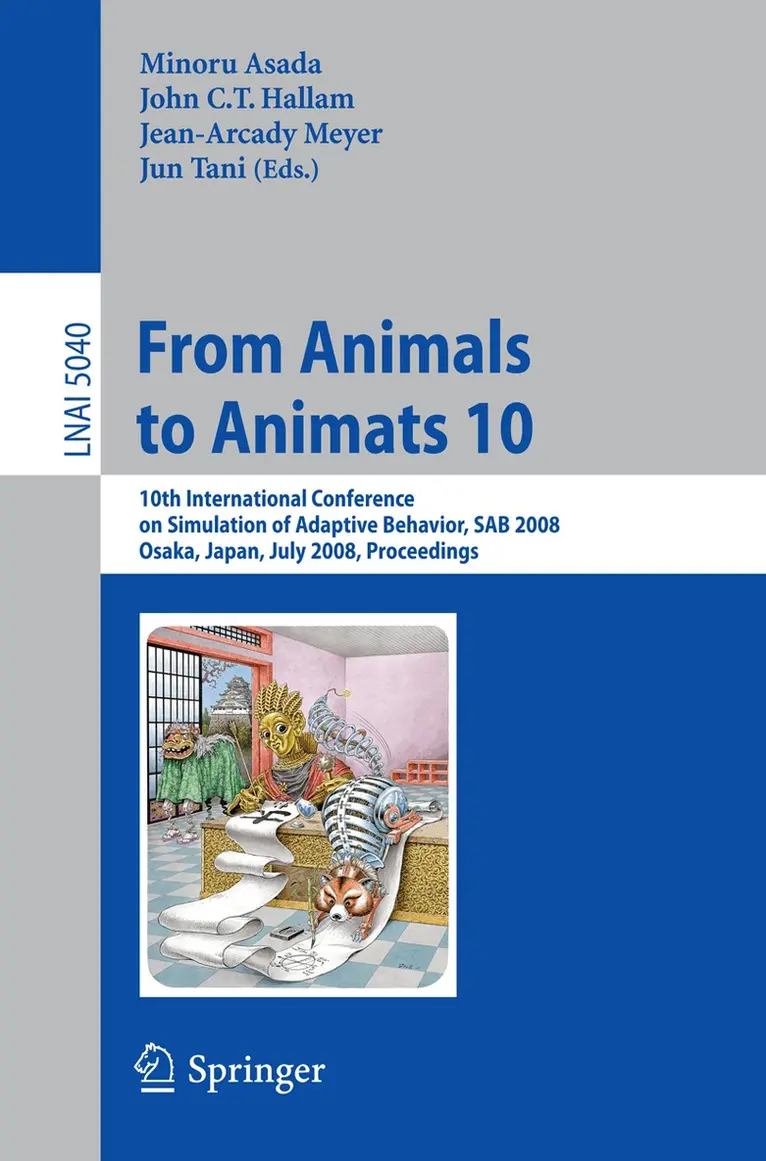
From Animals to Animats 10
10th International Conference on Simulation of Adaptive Behavior, SAB 2008, Osaka, Japan, July 7-12, 2008, Proceedings
Av Minoru Asada, John C. T. Hallam m. fl.
Häftad, 2008
1089 kr
Lägg i varukorg
This book constitutes the refereed proceedings of the 10th International Conference on Simulation of Adaptive Behavior, SAB 2008, held in Osaka, Japan in July 2008. The 30 revised full papers and 21 revised poster papers presented were carefully reviewed and selected from 110 submissions. The …
From Animals to Animats 10
10th International Conference on Simulation of Adaptive Behavior, SAB 2008, Osaka, Japan, July 7-12, 2008, Proceedings
Av Jun Tani, Jean-Arcady Meyer m. fl.
E-bok, 2008
1459 kr
Lägg i varukorg
This book constitutes the refereed proceedings of the 10th International Conference on Simulation of Adaptive Behavior, SAB 2008, held in Osaka, Japan in July 2008. The 30 revised full papers and 21 revised poster papers presented were carefully reviewed and selected from 110 submissions. The …