Justin Remhof - Böcker
Visar alla böcker från författaren Justin Remhof. Handla med fri frakt och snabb leverans.
4 produkter
4 produkter
629 kr
Skickas inom 10-15 vardagar
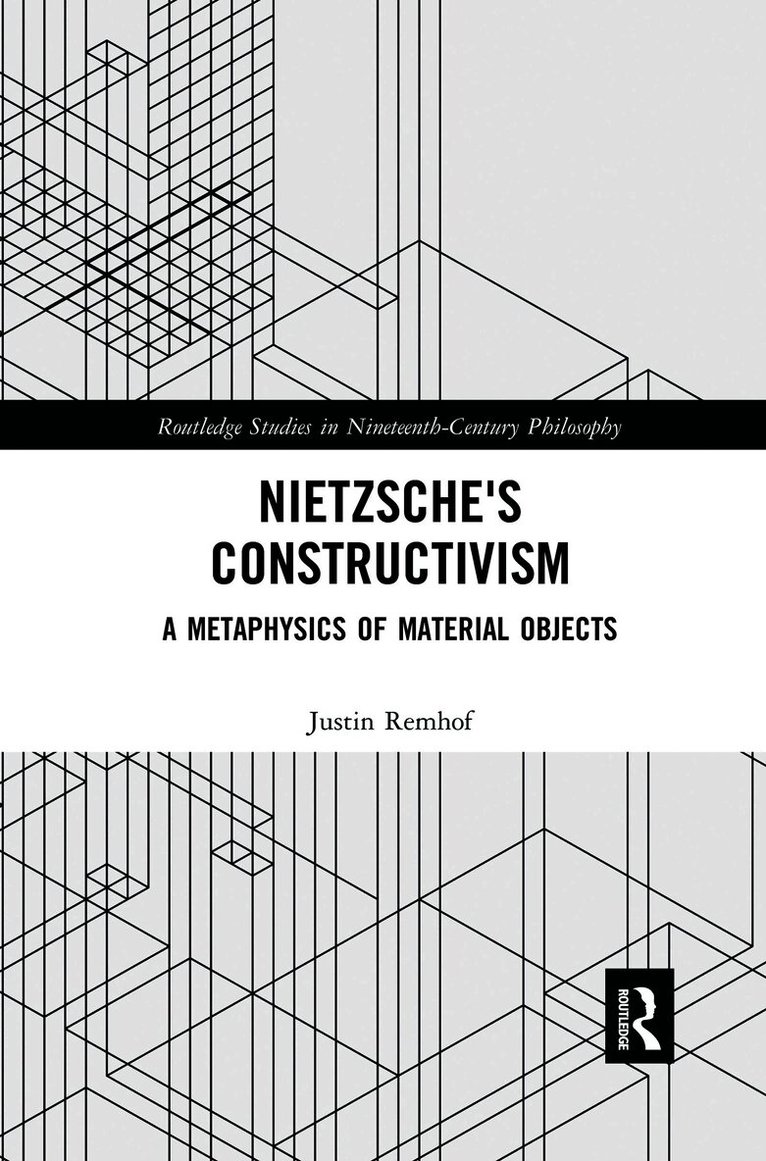
Like Kant, the German Idealists, and many neo-Kantian philosophers before him, Nietzsche was persistently concerned with metaphysical questions about the nature of objects. His texts often address questions concerning the existence and non-existence of objects, the relation of objects to human minds, and how different views of objects impact commitments in many areas of philosophy—not just metaphysics, but also language, epistemology, science, logic and mathematics, and even ethics. In this book, Remhof presents a systematic and comprehensive analysis of Nietzsche’s material object metaphysics. He argues that Nietzsche embraces the controversial constructivist view that all concrete objects are socially constructed. Reading Nietzsche as a constructivist, Remhof contends, provides fresh insight into Nietzsche’s views on truth, science, naturalism, and nihilism. The book also investigates how Nietzsche’s view of objects compares with views offered by influential American pragmatists and explores the implications of Nietzsche’s constructivism for debates in contemporary material object metaphysics. Nietzsche’s Constructivism is a highly original and timely contribution to the steadily growing literature on Nietzsche’s thought.
1 909 kr
Skickas inom 10-15 vardagar
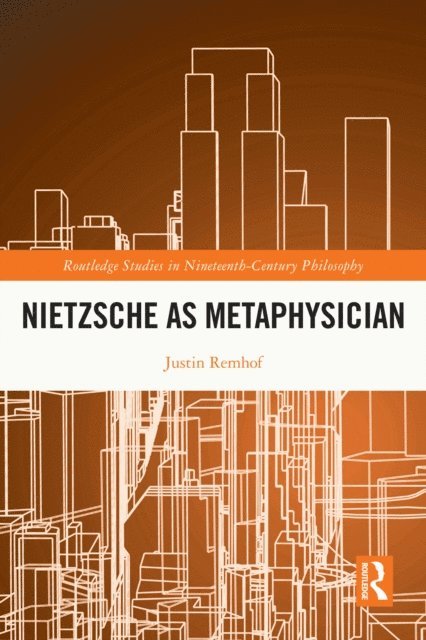
This book defends the controversial view that Nietzsche is a metaphysician against a long-standing tendency to sever Nietzsche from metaphysical philosophy. Remhof presents a metametaphysical treatment of Nietzsche’s writings to show that for Nietzsche the questions, answers, methods, and subject matters of metaphysical philosophy are not only perfectly legitimate, but also crucial for understanding the world and our place within it. The book examines aspects of Nietzsche’s thought that have received little attention in the literature, including his view of what makes metaphysics possible; his metaphysics of science; his naturalized metaphysics; how he appeals to the intuitions of readers; how he employs a priori reasoning; how he uses metaphysical grounding explanations; and how metaphysics is intertwined with topics central to his philosophical thinking, including his understanding of becoming, ethics, nihilism, life, perspective, amor fati, and eternal recurrence. Nietzsche as Metaphysician will be of interest to scholars and advanced students working on Nietzsche and the history of metaphysics.
564 kr
Skickas inom 10-15 vardagar
This book defends the controversial view that Nietzsche is a metaphysician against a long-standing tendency to sever Nietzsche from metaphysical philosophy. Remhof presents a metametaphysical treatment of Nietzsche’s writings to show that for Nietzsche the questions, answers, methods, and subject matters of metaphysical philosophy are not only perfectly legitimate, but also crucial for understanding the world and our place within it. The book examines aspects of Nietzsche’s thought that have received little attention in the literature, including his view of what makes metaphysics possible; his metaphysics of science; his naturalized metaphysics; how he appeals to the intuitions of readers; how he employs a priori reasoning; how he uses metaphysical grounding explanations; and how metaphysics is intertwined with topics central to his philosophical thinking, including his understanding of becoming, ethics, nihilism, life, perspective, amor fati, and eternal recurrence. Nietzsche as Metaphysician will be of interest to scholars and advanced students working on Nietzsche and the history of metaphysics.
2 113 kr
Skickas inom 10-15 vardagar
Like Kant, the German Idealists, and many neo-Kantian philosophers before him, Nietzsche was persistently concerned with metaphysical questions about the nature of objects. His texts often address questions concerning the existence and non-existence of objects, the relation of objects to human minds, and how different views of objects impact commitments in many areas of philosophy—not just metaphysics, but also language, epistemology, science, logic and mathematics, and even ethics. In this book, Remhof presents a systematic and comprehensive analysis of Nietzsche’s material object metaphysics. He argues that Nietzsche embraces the controversial constructivist view that all concrete objects are socially constructed. Reading Nietzsche as a constructivist, Remhof contends, provides fresh insight into Nietzsche’s views on truth, science, naturalism, and nihilism. The book also investigates how Nietzsche’s view of objects compares with views offered by influential American pragmatists and explores the implications of Nietzsche’s constructivism for debates in contemporary material object metaphysics. Nietzsche’s Constructivism is a highly original and timely contribution to the steadily growing literature on Nietzsche’s thought.