Justin Spinney - Böcker
Visar alla böcker från författaren Justin Spinney. Handla med fri frakt och snabb leverans.
6 produkter
6 produkter
691 kr
Skickas inom 10-15 vardagar
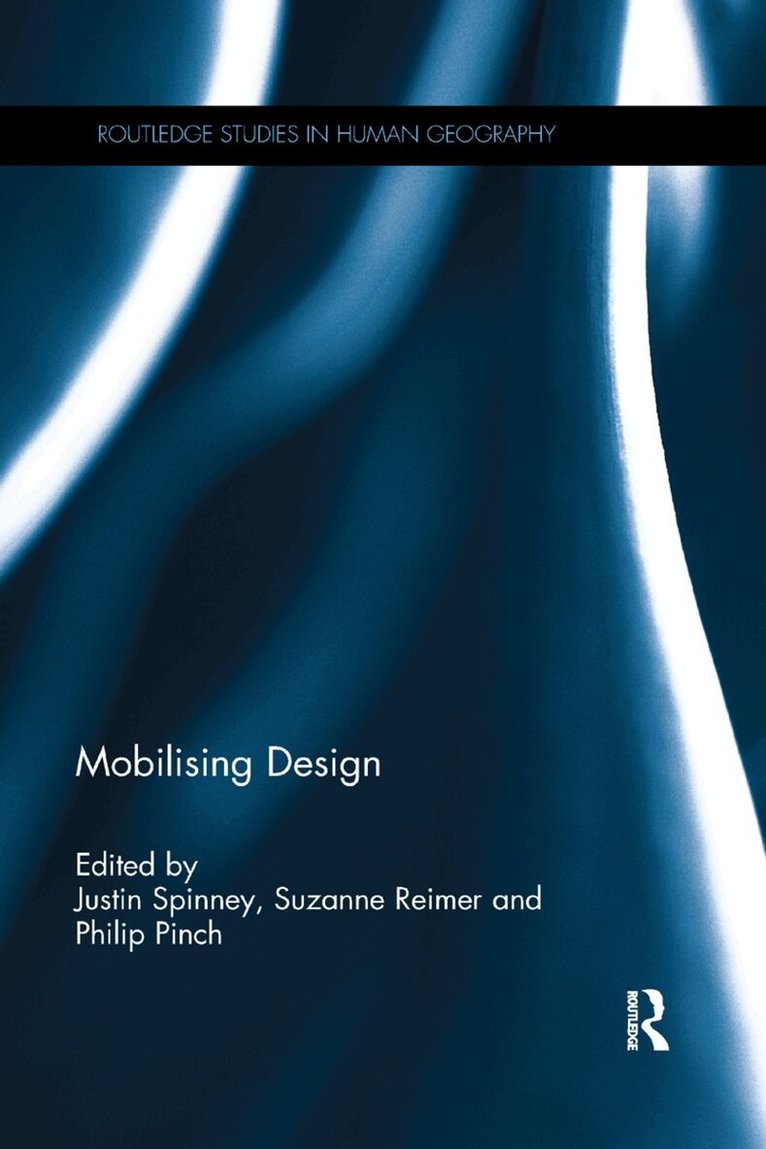
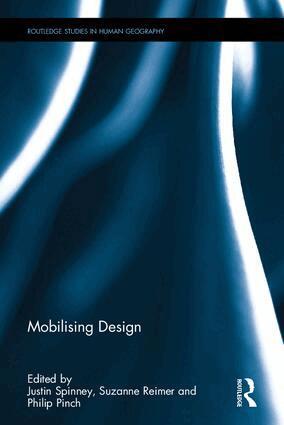
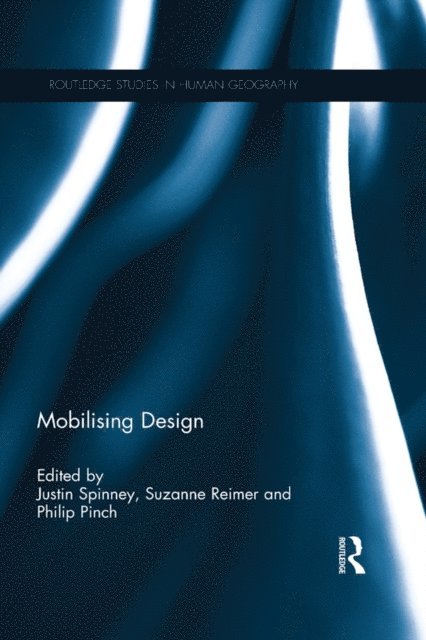
This book brings together research working at the boundary between design knowledges and mobilities, offering a novel collection for both theorists and practitioners. Drawing upon detailed case studies, it demonstrates the diverse roles of design in shaping mobility at different spaces and scales: across cities; within different types of buildings and infrastructures; and through commuting, work and leisure activities.A range of international scholars illustrate the designed mobilities of car parks, traffic lights, street benches, pedestrian wayfinding systems and accessible design in the urban environment; they examine spaces within hospitals, airports and train stations and investigate design practices for bicycles, future urban vehicles and MotoGP motorcycle racing. Other contributions explore overlooked mobile artefacts such as television and video game remote controls, 3D printing and the types of packaging which enable objects themselves to move around. This book demonstrates how the tools, assumptions and processes of design shape spaces of mobility, and also illuminates how shifts in the fluidity and circulation of people, practices and materials in turn reconfigure practices of design. Mobilising Design develops multi-disciplinary understandings of design, drawing upon diverse literatures including design history, product design, architecture and cultural geography. By highlighting often invisible artefacts and associated knowledges and controversies, the book foregrounds the taken-for-granted ways in which everyday mobility is designed. It will be of interest to scholars in geography, sociology, economic history, architecture, design and urban theory.
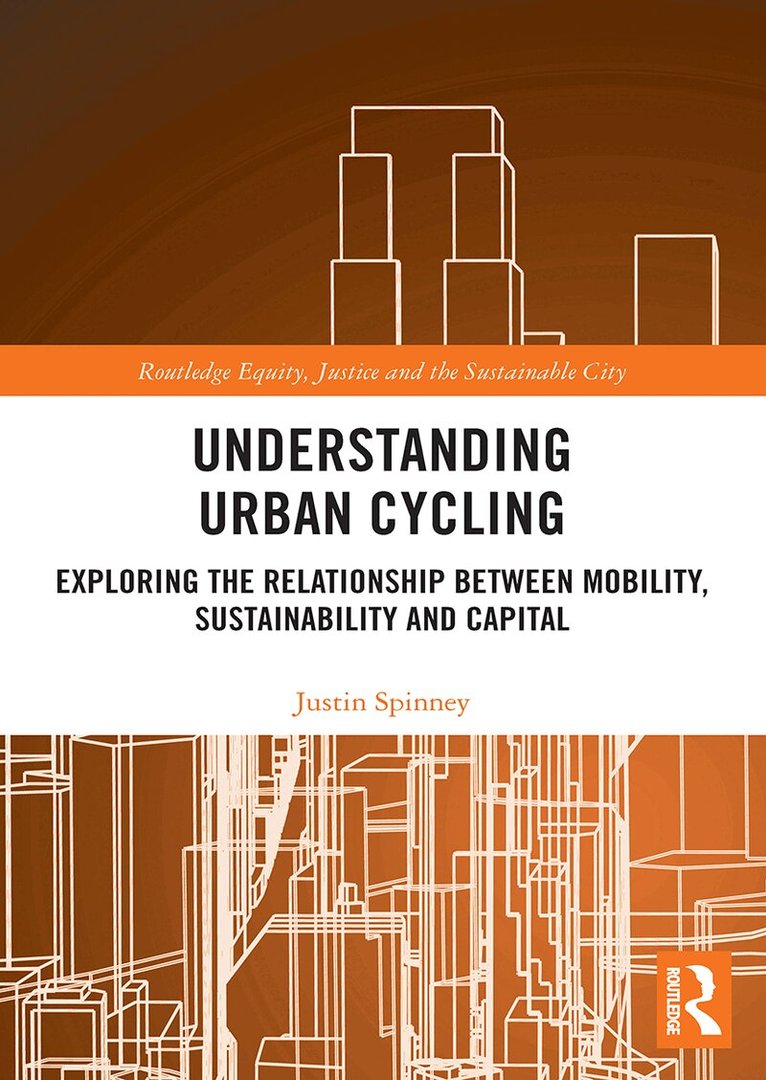
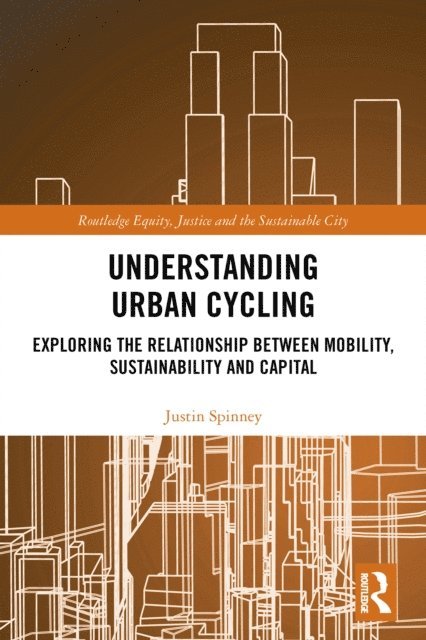
Understanding Urban Cycling
Exploring the Relationship Between Mobility, Sustainability and Capital
Häftad, Engelska, 2022
617 kr
Skickas inom 10-15 vardagar
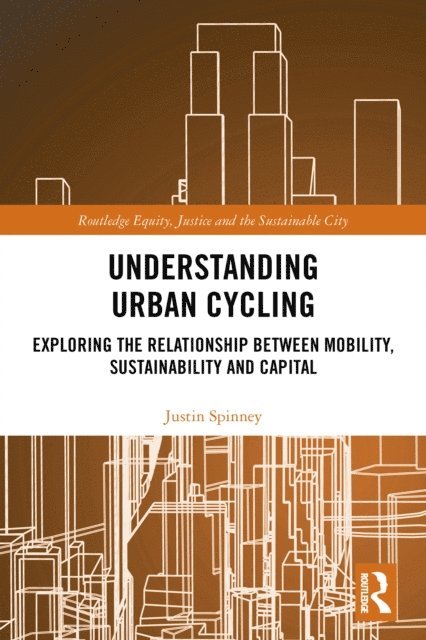
Academic interest in cycling has burgeoned in recent years with significant literature relating to the health and environmental benefits of cycling, the necessity for cycle-specific infrastructure, and the embodied experiences of cycling.Based upon primary research in a variety of contexts such as London, Shanghai and Taipei, this book demonstrates that recent developments in urban cycling policy and practice are closely linked to broader processes of capital accumulation. It argues that cycling is increasingly caught up in discourses around smart cities that emphasise technological solutions to environmental problems and neoliberal ideas on individual responsibility and bio-political conduct, which only results in solutions that prioritise those who are already mobile. Accordingly, the central argument of the book is not that the popularisation of cycling is inherently bad, but that the manner in which cycling is being popularised gives cause for social and environmental concern. Ultimately the book argues that cycling has now become a vehicle for sustaining pro-growth agendas rather than subverting them or shifting to sustainable no-growth/de-growth and less technologically driven visions of modernity.This book makes an innovative contribution to the fields of Cycling Studies, Mobilities and Transport and will be of interest to students and academics working in Human Geography, Transport Studies, Urban Studies, Urban Planning, Public Policy, Sociology and Sustainability.
714 kr
Skickas inom 7-10 vardagar
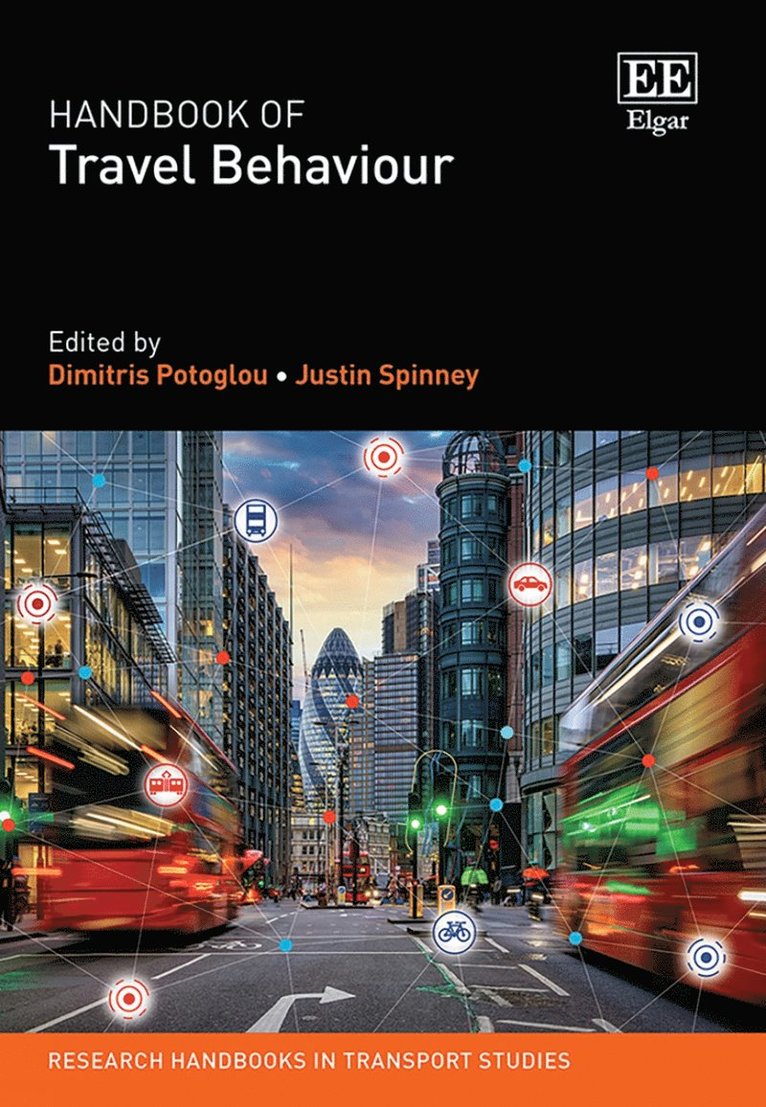
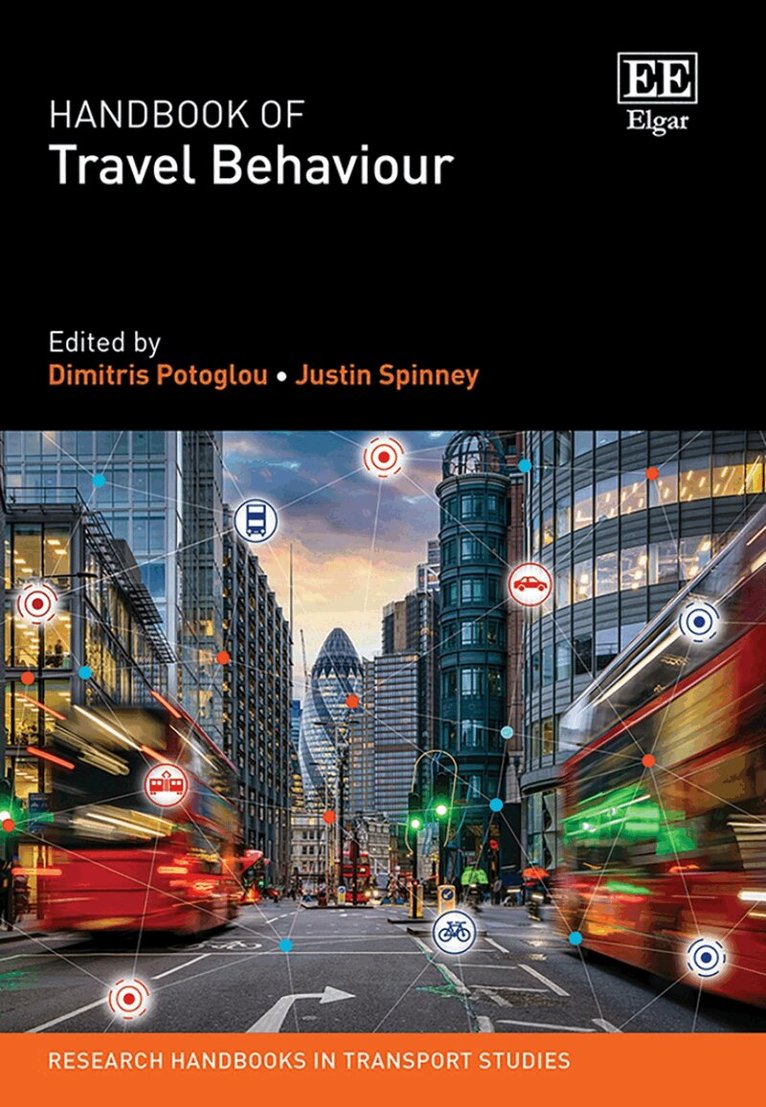
This insightful Handbook offers a comprehensive and diverse understanding of the determinants of travel behaviour, looking at the ways in which it can be better understood, modelled and forecasted. Dimitris Potoglou and Justin Spinney bring together an international range of esteemed academics who explore the origins of the field, research analysis methods, environmental considerations, and social factors.The Handbook of Travel Behaviour critically engages with the development of the field, exploring key theoretical, empirical and critical debates including its evolution into operational modelling platforms. Chapters cover traditional and emerging data collection and analytical methods, highlighting the ways in which different approaches enhance the understanding of travel behaviour. The Handbook offers an in-depth examination on how age, income, gender, societal development, health as well as disruptions such as the Covid-19 pandemic have affected travel behaviour. This perceptive Handbook concludes by outlining key areas for further research, including big data, digitalisation, public participation, social inclusion, sustainability and efficiency, and Global South contexts.Interdisciplinary in scope, this Handbook will be an essential resource for academics, students and researchers specialising in transport geography and planning, human geography, social psychology, and urban and regional studies. Providing vital insight on methods of data collection and analysis, it will also be of interest to professionals working in the transport planning industry.
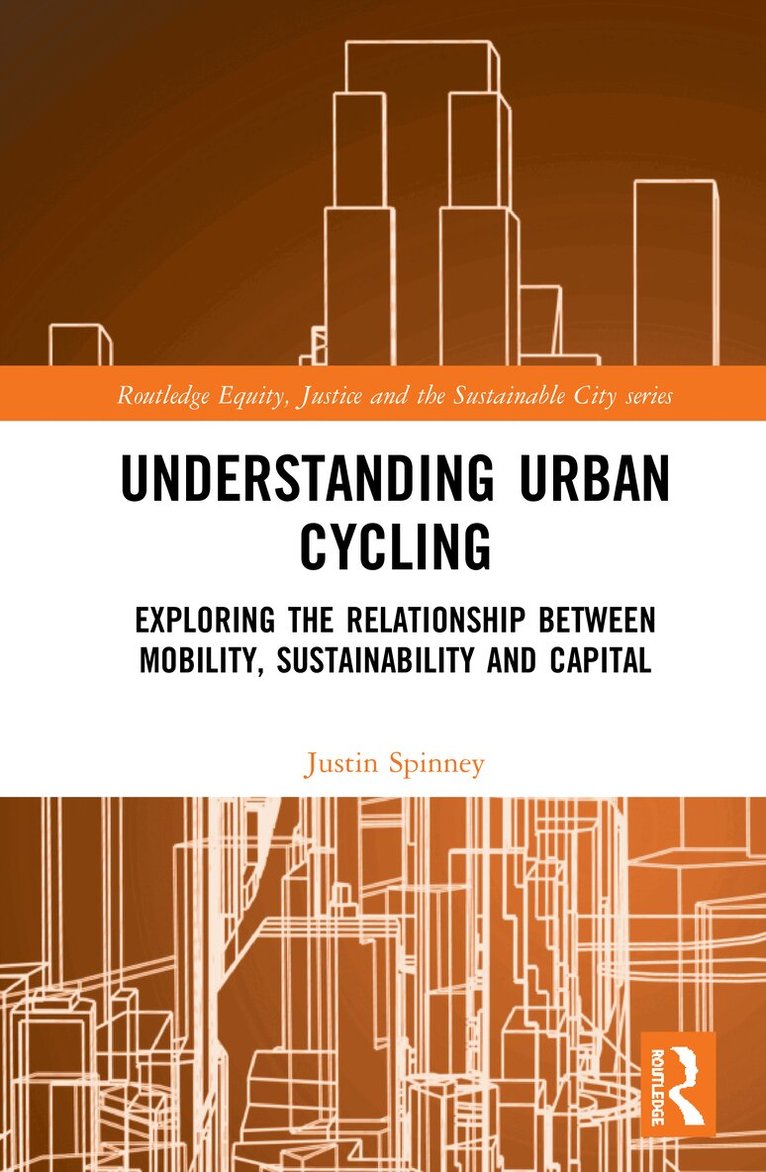
Understanding Urban Cycling
Exploring the Relationship Between Mobility, Sustainability and Capital
Inbunden, Engelska, 2020
2 088 kr
Skickas inom 10-15 vardagar
Academic interest in cycling has burgeoned in recent years with significant literature relating to the health and environmental benefits of cycling, the necessity for cycle-specific infrastructure, and the embodied experiences of cycling.Based upon primary research in a variety of contexts such as London, Shanghai and Taipei, this book demonstrates that recent developments in urban cycling policy and practice are closely linked to broader processes of capital accumulation. It argues that cycling is increasingly caught up in discourses around smart cities that emphasise technological solutions to environmental problems and neoliberal ideas on individual responsibility and bio-political conduct, which only results in solutions that prioritise those who are already mobile. Accordingly, the central argument of the book is not that the popularisation of cycling is inherently bad, but that the manner in which cycling is being popularised gives cause for social and environmental concern. Ultimately the book argues that cycling has now become a vehicle for sustaining pro-growth agendas rather than subverting them or shifting to sustainable no-growth/de-growth and less technologically driven visions of modernity.This book makes an innovative contribution to the fields of Cycling Studies, Mobilities and Transport and will be of interest to students and academics working in Human Geography, Transport Studies, Urban Studies, Urban Planning, Public Policy, Sociology and Sustainability.
2 155 kr
Skickas inom 10-15 vardagar
This book brings together research working at the boundary between design knowledges and mobilities, offering a novel collection for both theorists and practitioners. Drawing upon detailed case studies, it demonstrates the diverse roles of design in shaping mobility at different spaces and scales: across cities; within different types of buildings and infrastructures; and through commuting, work and leisure activities.A range of international scholars illustrate the designed mobilities of car parks, traffic lights, street benches, pedestrian wayfinding systems and accessible design in the urban environment; they examine spaces within hospitals, airports and train stations and investigate design practices for bicycles, future urban vehicles and MotoGP motorcycle racing. Other contributions explore overlooked mobile artefacts such as television and video game remote controls, 3D printing and the types of packaging which enable objects themselves to move around. This book demonstrates how the tools, assumptions and processes of design shape spaces of mobility, and also illuminates how shifts in the fluidity and circulation of people, practices and materials in turn reconfigure practices of design. Mobilising Design develops multi-disciplinary understandings of design, drawing upon diverse literatures including design history, product design, architecture and cultural geography. By highlighting often invisible artefacts and associated knowledges and controversies, the book foregrounds the taken-for-granted ways in which everyday mobility is designed. It will be of interest to scholars in geography, sociology, economic history, architecture, design and urban theory.
3 912 kr
Skickas inom 7-10 vardagar
This insightful Handbook offers a comprehensive and diverse understanding of the determinants of travel behaviour, looking at the ways in which it can be better understood, modelled and forecasted. Dimitris Potoglou and Justin Spinney bring together an international range of esteemed academics who explore the origins of the field, research analysis methods, environmental considerations, and social factors.The Handbook of Travel Behaviour critically engages with the development of the field, exploring key theoretical, empirical and critical debates including its evolution into operational modelling platforms. Chapters cover traditional and emerging data collection and analytical methods, highlighting the ways in which different approaches enhance the understanding of travel behaviour. The Handbook offers an in-depth examination on how age, income, gender, societal development, health as well as disruptions such as the Covid-19 pandemic have affected travel behaviour. This perceptive Handbook concludes by outlining key areas for further research, including big data, digitalisation, public participation, social inclusion, sustainability and efficiency, and Global South contexts.Interdisciplinary in scope, this Handbook will be an essential resource for academics, students and researchers specialising in transport geography and planning, human geography, social psychology, and urban and regional studies. Providing vital insight on methods of data collection and analysis, it will also be of interest to professionals working in the transport planning industry.