Justine De Young - Böcker
Visar alla böcker från författaren Justine De Young. Handla med fri frakt och snabb leverans.
4 produkter
4 produkter
1 226 kr
Skickas inom 7-10 vardagar
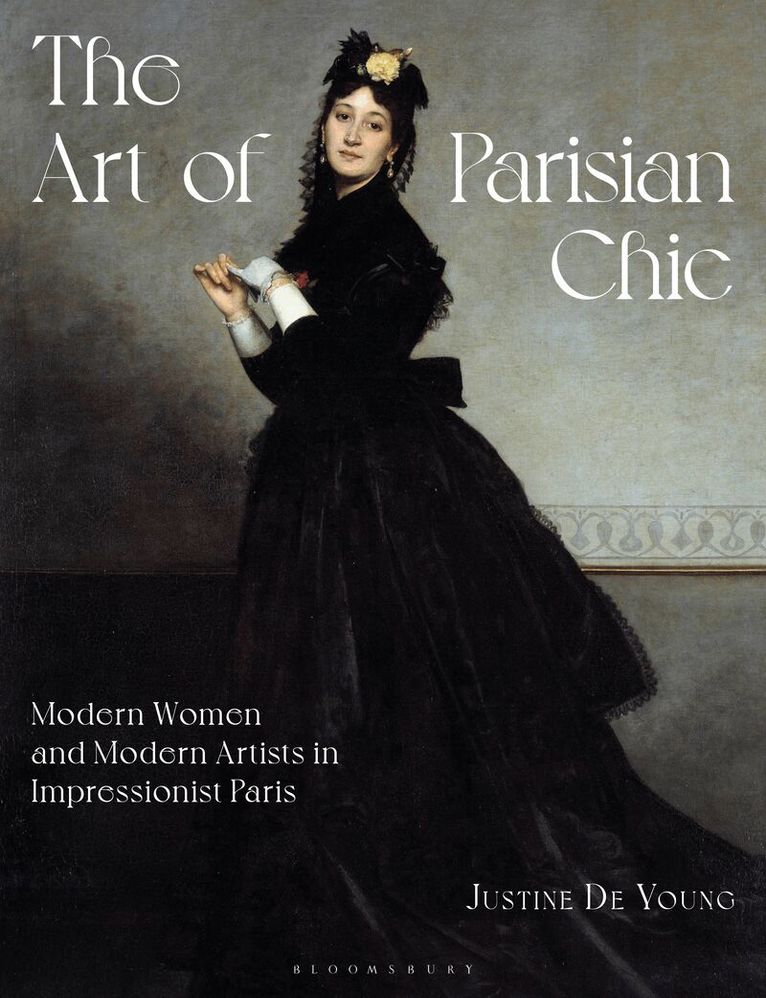
Using artworks by Berthe Morisot, Édouard Manet, Claude Monet, Pierre-Auguste Renoir, and others, The Art of Parisian Chic explores how women and artists in Impressionist Paris (1855-1885) crafted their public images to exploit and resist stereotypes.French societal expectations and beauty ideals shaped how women were seen and how they chose to present themselves in public – whether on the street, in a photograph, or in a portrait on the walls of the annual Paris Salon. On Paris’s broad new boulevards and in its public parks and theaters, women dressed to impress anonymous strangers as well as their friends. They even circulated aspirational photographs of themselves. Looking at a rich array of visual sources – from portraits to modern-life paintings, and from photographs to fashion plates – Justine De Young reveals how women were seen, how they aspired to be seen, and how they navigated public life in Second Empire and Belle Époque Paris.This book considers how fashionable feminine “types” made famous in books, caricatures, and paintings created a visual lexicon and stylistic guide for women. Men and women alike relied on these types – cocotte (mistress), jeune veuve (young widow), amazone (independent equestrienne), demoiselle de magasin (shopgirl), and Parisienne (chic Parisian woman) – to judge the class, character, morality, and worth of strangers. With a rich set of illustrations from the Impressionist canon and beyond, The Art of Parisian Chic shows how modern women used fashion and these stereotypes to construct and reinvent their identities.
400 kr
Skickas inom 7-10 vardagar
Using artworks by Berthe Morisot, Édouard Manet, Claude Monet, Pierre-Auguste Renoir, and others, The Art of Parisian Chic explores how women and artists in Impressionist Paris (1855-1885) crafted their public images to exploit and resist stereotypes.French societal expectations and beauty ideals shaped how women were seen and how they chose to present themselves in public – whether on the street, in a photograph, or in a portrait on the walls of the annual Paris Salon. On Paris’s broad new boulevards and in its public parks and theaters, women dressed to impress anonymous strangers as well as their friends. They even circulated aspirational photographs of themselves. Looking at a rich array of visual sources – from portraits to modern-life paintings, and from photographs to fashion plates – Justine De Young reveals how women were seen, how they aspired to be seen, and how they navigated public life in Second Empire and Belle Époque Paris.This book considers how fashionable feminine “types” made famous in books, caricatures, and paintings created a visual lexicon and stylistic guide for women. Men and women alike relied on these types – cocotte (mistress), jeune veuve (young widow), amazone (independent equestrienne), demoiselle de magasin (shopgirl), and Parisienne (chic Parisian woman) – to judge the class, character, morality, and worth of strangers. With a rich set of illustrations from the Impressionist canon and beyond, The Art of Parisian Chic shows how modern women used fashion and these stereotypes to construct and reinvent their identities.
1 754 kr
Skickas inom 10-15 vardagar
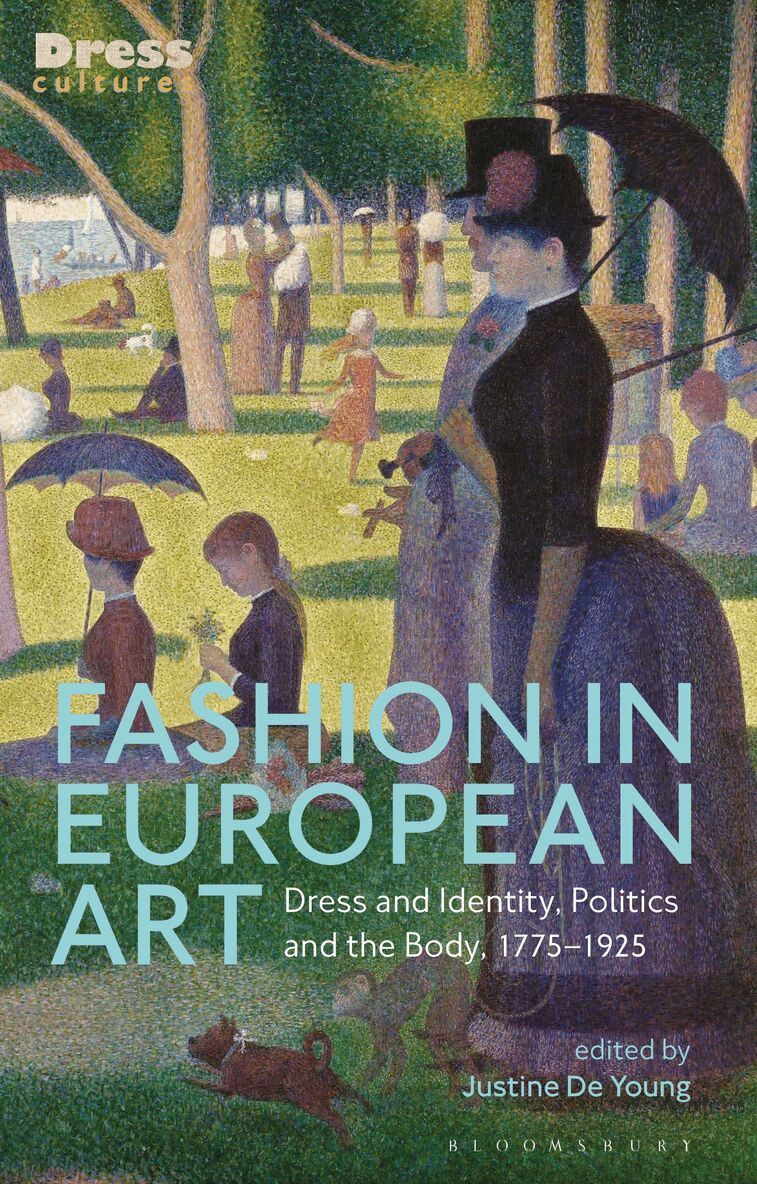
Fashion reveals not only who we are, but whom we aspire to be. From 1775 to 1925, artists in Europe were especially attuned to the gaps between appearance and reality, participating in and often critiquing the making of the self and the image. Reading their portrayals of modern life with an eye to fashion and dress reveals a world of complex calculations and subtle signals. Extensively illustrated, Fashion in European Art explores the significance of historical dress over this period of upheaval, as well as the lived experience of dress and its representation. Drawing on visual sources that extend from paintings and photographs to fashion plates, caricatures and advertisements, the expert contributors consider how artists and their sitters engaged with the fashion and culture of their times. They explore the politics of dress, its inspirations and the reactions it provoked, as well as the many meanings of fashion in European art, revealing its importance in understanding modernity itself.
365 kr
Skickas inom 10-15 vardagar
Fashion reveals not only who we are, but whom we aspire to be. From 1775 to 1925, artists in Europe were especially attuned to the gaps between appearance and reality, participating in and often critiquing the making of the self and the image. Reading their portrayals of modern life with an eye to fashion and dress reveals a world of complex calculations and subtle signals. Fashion in European Art explores the significance of historical dress over this period of upheaval, as well as the lived experience of dress and its representation. Drawing on visual sources that extend from paintings and photographs to fashion plates, caricatures and advertisements, the expert contributors consider how artists and their sitters engaged with the fashion and culture of their times. They explore the politics of dress, its inspirations and the reactions it provoked, as well as the many meanings of fashion in European art, revealing its importance in understanding modernity itself.