J.W. Mohnhaupt – författare
Visar alla böcker från författaren J.W. Mohnhaupt. Handla med fri frakt och snabb leverans.
2 produkter
2 produkter
Inbunden, Engelska, 2022
300 kr
Skickas inom 10-15 vardagar
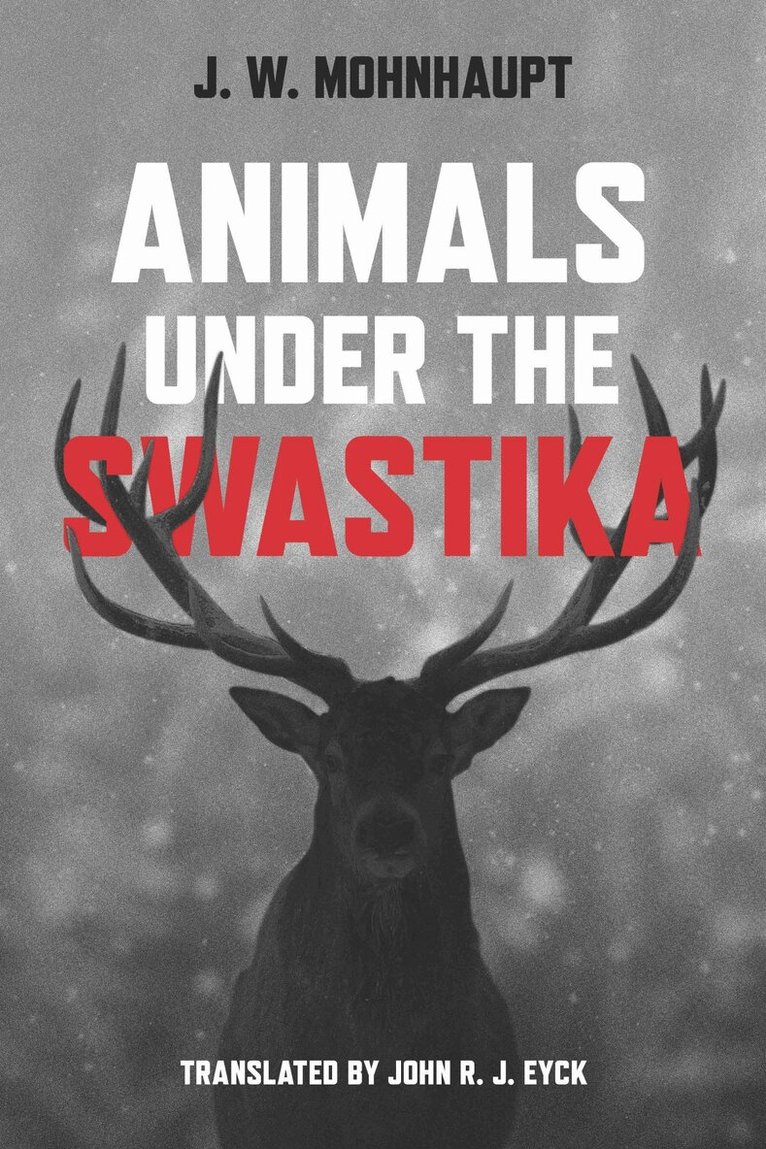
Never before or since have animals played as significant a role in German history as they did during the Third Reich. Potato beetles and silkworms were used as weapons of war, pigs were used in propaganda, and dog breeding served the Nazis as a model for their racial theories. Paradoxically, some animals were put under special protection while some humans were simultaneously declared unworthy of living. Ultimately, the ways in which Nazis conceptualized and used animals—both literally and symbolically—reveals much about their racist and bigoted attitudes toward other humans. Drawing from diaries, journals, school textbooks, and printed propaganda, J.W. Mohnhaupt tells these animals’ stories vividly and with an eye for everyday detail, focusing each chapter on a different facet of Nazism by way of a specific animal species: red deer, horses, cats, and more. Animals under the Swastika illustrates the complicated, thought-provoking relationship between Nazis and animals.
E-bok
Engelska, 2019142 kr
Läs direkt efter köp
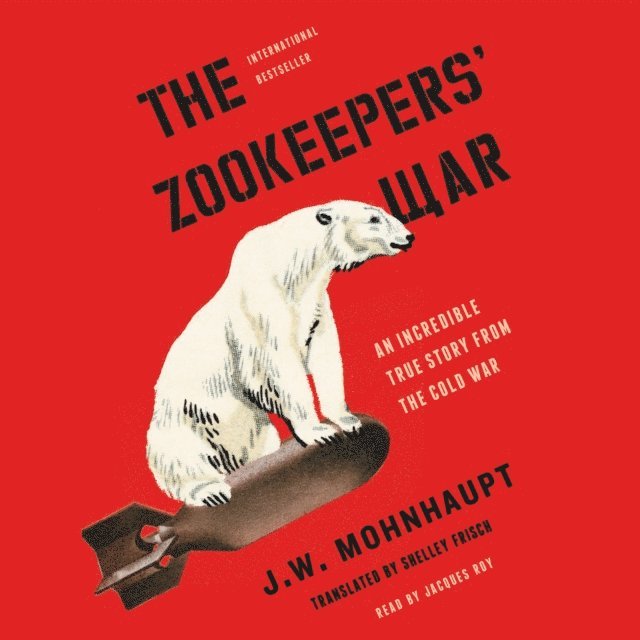
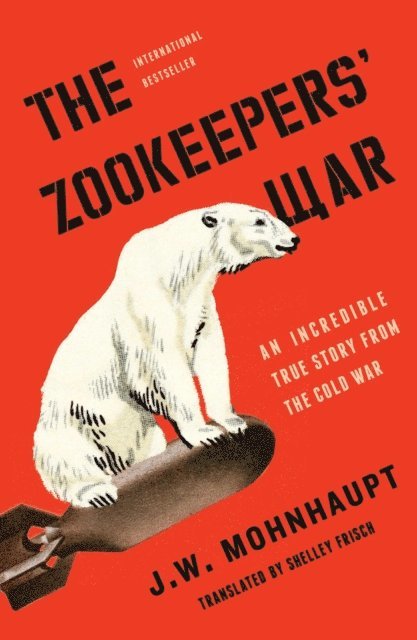
The unbelievable true story of the Cold War’s strangest proxy war, fought between the zoos on either side of the Berlin Wall. “The liveliness of Mohnhaupt’s storytelling and the wonderful eccentricity of his subject matter make this book well worth a read.” —Star Tribune (Minneapolis)Living in West Berlin in the 1960s often felt like living in a zoo, everyone packed together behind a wall, with the world always watching. On the other side of the Iron Curtain, East Berlin and its zoo were spacious and lush, socialist utopias where everything was perfectly planned... and then rarely completed. Berlin’s two zoos in East and West quickly became symbols of the divided city’s two halves. So no one was terribly surprised when the head zookeepers on either side started an animal arms race—rather than stockpiling nuclear warheads, they competed to have the most pandas and hippos. Soon, state funds were being diverted toward giving these new animals lavish welcomes worthy of visiting dignitaries. West German presidential candidates were talking about zoo policy on the campaign trail. And eventually politicians on both side of the Wall became convinced that if their zoo proved to be inferior, that would mean their country’s whole ideology was too. A quirky piece of Cold War history unlike anything you’ve heard before, The Zookeepers’ War is an epic tale of desperate rivalries, human follies, and an animal-mad city in which zookeeping became a way of continuing politics by other means.