Jyoti Rao – författare
Visar alla böcker från författaren Jyoti Rao. Handla med fri frakt och snabb leverans.
10 produkter
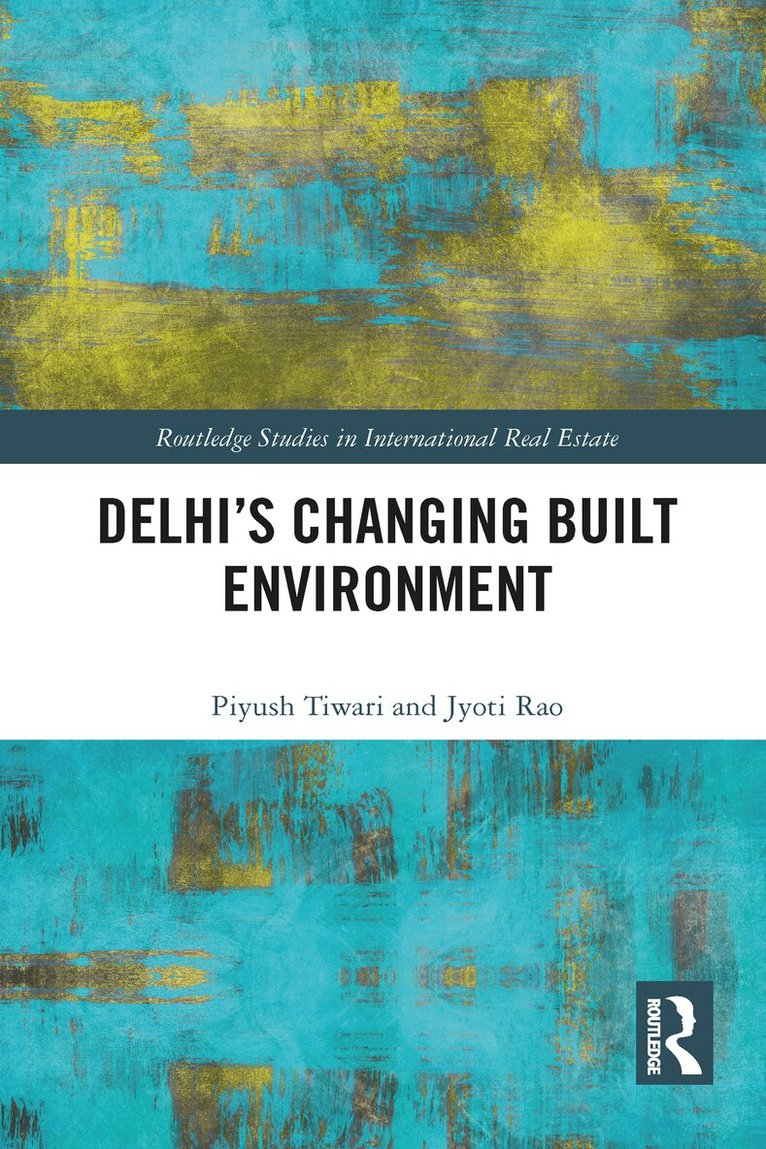
Delhi's Changing Built Environment
Häftad, 2021
817 kr
Lägg i varukorg
The rapid expansion, urban form and development of the built environment in the world’s second most populous city, Delhi, has been the consequence of social, political, economic, planning and architectural traditions that have shaped the city over thousands of years. Whilst seamless at times, these …
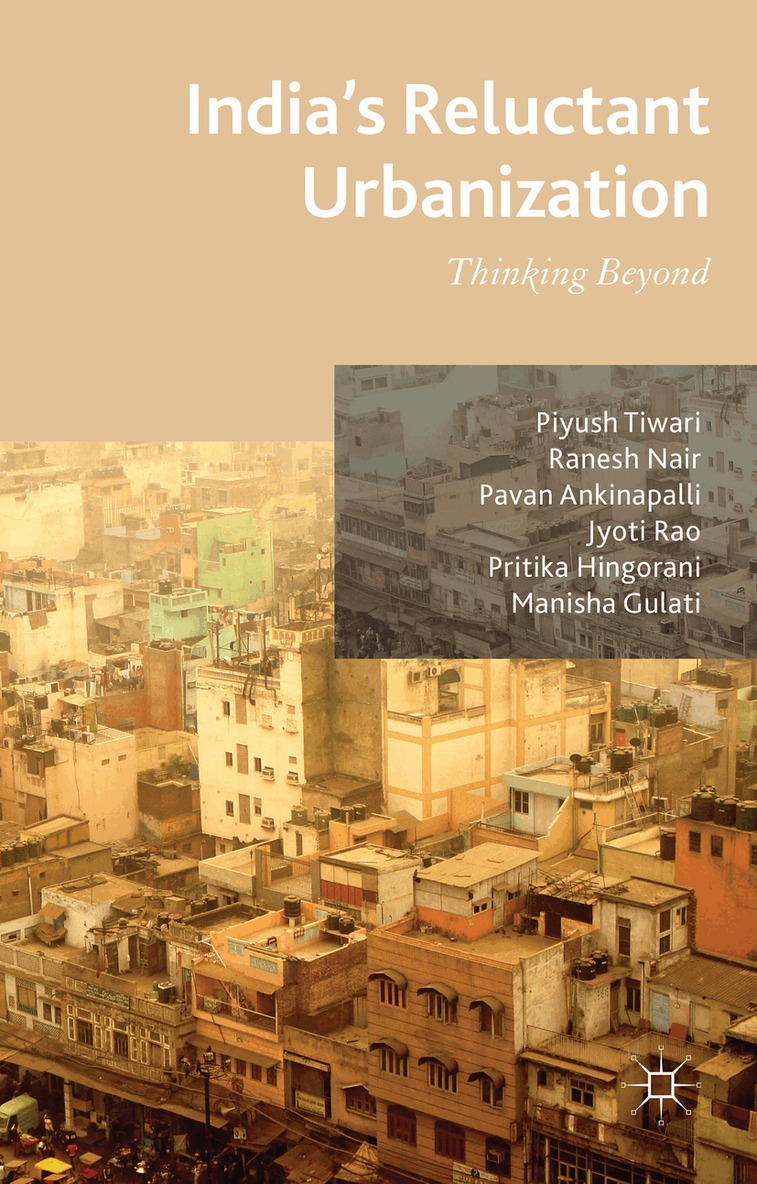
India's Reluctant Urbanization
Thinking Beyond
Inbunden, 2015
1095 kr
Lägg i varukorg
Through a close examination of India's policies, economic system, social systems and politics, this study explores the numerous perspectives and debates on India's urbanization. The authors link contemporary urban issues with emerging challenges associated with policies and city management.
India's Reluctant Urbanization
Thinking Beyond
Av Jyoti Rao, P. Hingorani m. fl.
E-bok, 2016
1596 kr
Lägg i varukorg
Through a close examination of India''s policies, economic system, social systems and politics, this study explores the numerous perspectives and debates on India''s urbanization. The authors link contemporary urban issues with emerging challenges associated with policies and city management.
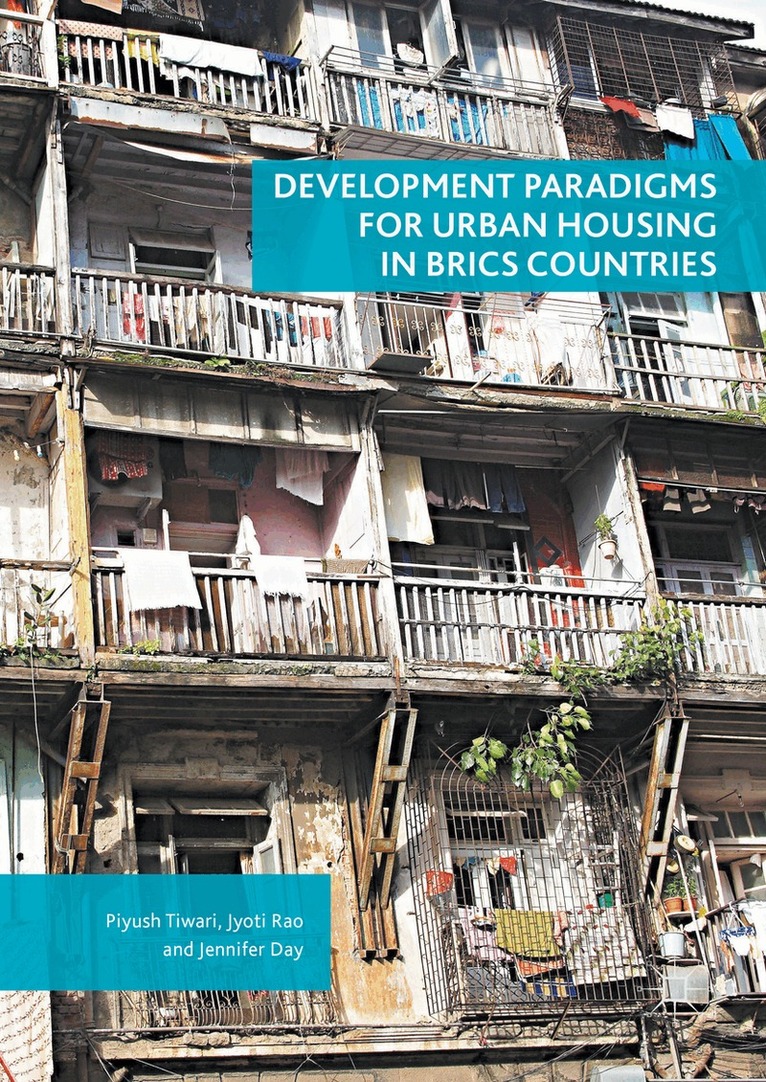
Development Paradigms for Urban Housing in BRICS Countries
Av Piyush Tiwari, Jyoti Rao m. fl.
Inbunden, 2016
568 kr
Lägg i varukorg
This book is a concise treatise of the alternative paradigms used in BRICS countries to tackle urban housing shortages. There are a number of alternative methods for meeting these shortages which BRICS countries have adopted. These alternatives may agree in terms of desired outcome, but when it …
Development Paradigms for Urban Housing in BRICS Countries
Av Jennifer Day, Jyoti Rao m. fl.
E-bok, 2016
763 kr
Lägg i varukorg
This book is a concise treatise of the alternative paradigms used in BRICS countries to tackle urban housing shortages. There are a number of alternative methods for meeting these shortages which BRICS countries have adopted. These alternatives may agree in terms of desired outcome, but when it …
Delhi's Changing Built Environment
Inbunden, 2018
2736 kr
Lägg i varukorg
The rapid expansion, urban form and development of the built environment in the world’s second most populous city, Delhi, has been the consequence of social, political, economic, planning and architectural traditions that have shaped the city over thousands of years. Whilst seamless at times, these …
Delhi's Changing Built Environment
E-bok, 2017
935 kr
Lägg i varukorg
The rapid expansion, urban form and development of the built environment in the world’s second most populous city, Delhi, has been the consequence of social, political, economic, planning and architectural traditions that have shaped the city over thousands of years. Whilst seamless at times, …
Delhi's Changing Built Environment
E-bok, 2017
963 kr
Lägg i varukorg
The rapid expansion, urban form and development of the built environment in the world’s second most populous city, Delhi, has been the consequence of social, political, economic, planning and architectural traditions that have shaped the city over thousands of years. Whilst seamless at times, …
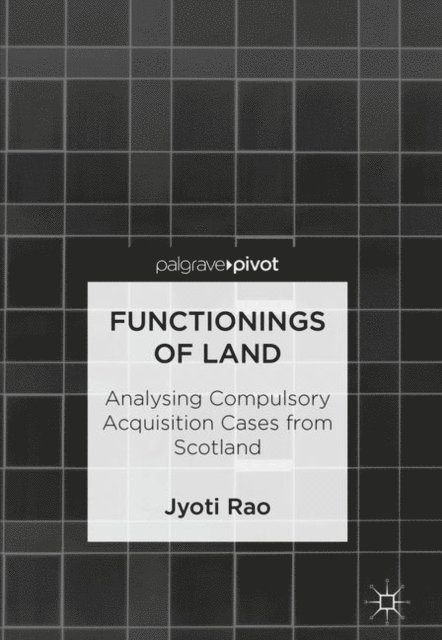
Functionings of Land
Analysing Compulsory Acquisition Cases from Scotland
Av Jyoti Rao
Inbunden, 2018
507 kr
Lägg i varukorg
This book focuses on the 'functionings' and capabilities generated from land by their owners and the challenge in satisfactorily recreating these through the compensation paid in the case of compulsory acquisition of private land. These discussions initiate a new debate on the insufficiency of …
Functionings of Land
Analysing Compulsory Acquisition Cases from Scotland
Av Jyoti Rao
E-bok, 2018
734 kr
Lägg i varukorg
This book focuses on the ''functionings'' and capabilities generated from land by their owners and the challenge in satisfactorily recreating these through the compensation paid in the case of compulsory acquisition of private land. These discussions initiate a new debate on the insufficiency of …