K. Ann Renninger – författare
883 kr
Skickas inom 7-10 vardagar
417 kr
Skickas inom 7-10 vardagar
2 122 kr
Skickas inom 10-15 vardagar
2 122 kr
Skickas inom 10-15 vardagar
1 303 kr
Skickas inom 10-15 vardagar
2 698 kr
Skickas inom 7-10 vardagar
980 kr
Läs direkt efter köp
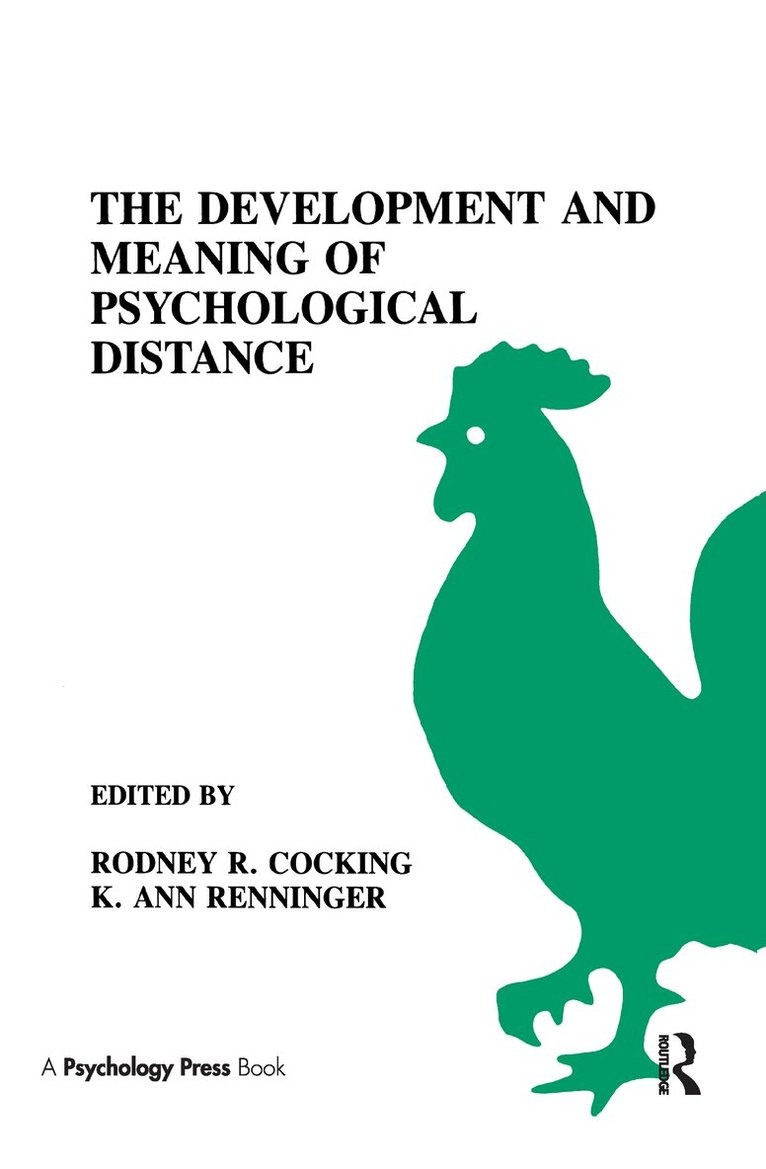
One of the paradoxes in developmental theory is the child''s simultaneous intrapsychic and interpsychic development. While the child is growing in mental capacity and struggling to define self, behaviors are also being learned whose function is to integrate self into a social network, which often means that egocentric behaviors are in conflict with sociocentric ones. This theory draws upon processes that promote both individual and social growth into a unified theory of development. A construct pertinent to almost all dimensions of psychological research, psychological distance is conceptualized as either the distance between what the learner understands and what still has to be understood (intrapsychic), or ways in which others adjust information for the learner in order to be fully comprehended (interpsychic). Psychological distance appears to serve both organizing and explanatory functions across seemingly diverse sets of theoretical and research questions, such as differentiation of self in personality development; conceptual representation in cognitive development; dialogue in the development of communication skills; information processing in cognitive science; regulatory mechanisms in the growth of control processes; and concept formation in cross-over areas of cognition, learning and thinking skills. This volume is based on papers presented as part of the Invitational Conference honoring Irving E. Sigel, Distinguished Research Scientist, at Educational Testing Service. In each of the chapters different models are utilized to account for the construct of psychological distance, and as such, to suggest extensions of Sigel''s seminal work in this area. Together, these contributions form the basis of a discussion of psychological distance as a developmental construct -- a construct which permits serious consideration of individual differences as a function of both the process and the product of cognition and ecology.
980 kr
Läs direkt efter köp
One of the paradoxes in developmental theory is the child''s simultaneous intrapsychic and interpsychic development. While the child is growing in mental capacity and struggling to define self, behaviors are also being learned whose function is to integrate self into a social network, which often means that egocentric behaviors are in conflict with sociocentric ones. This theory draws upon processes that promote both individual and social growth into a unified theory of development. A construct pertinent to almost all dimensions of psychological research, psychological distance is conceptualized as either the distance between what the learner understands and what still has to be understood (intrapsychic), or ways in which others adjust information for the learner in order to be fully comprehended (interpsychic). Psychological distance appears to serve both organizing and explanatory functions across seemingly diverse sets of theoretical and research questions, such as differentiation of self in personality development; conceptual representation in cognitive development; dialogue in the development of communication skills; information processing in cognitive science; regulatory mechanisms in the growth of control processes; and concept formation in cross-over areas of cognition, learning and thinking skills. This volume is based on papers presented as part of the Invitational Conference honoring Irving E. Sigel, Distinguished Research Scientist, at Educational Testing Service. In each of the chapters different models are utilized to account for the construct of psychological distance, and as such, to suggest extensions of Sigel''s seminal work in this area. Together, these contributions form the basis of a discussion of psychological distance as a developmental construct -- a construct which permits serious consideration of individual differences as a function of both the process and the product of cognition and ecology.
556 kr
Läs direkt efter köp
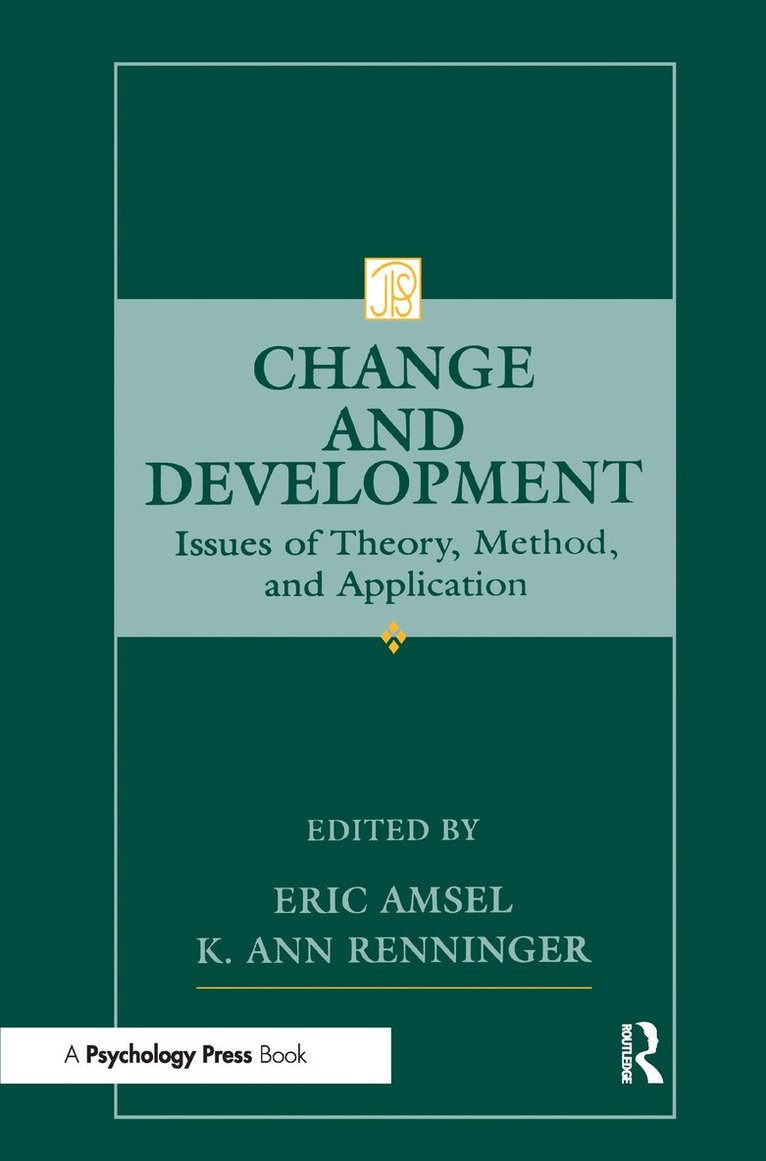
This book and the symposium on which it was based were designed to cross the boundaries of subdiscipline and theoretical orientation to address four critical issues in understanding development: explanation of change and development; the nature and process of change; forms of variability in performance; and the promotion of change through application.
The chapters suggest that change and development in target systems from cells to selves, may not be explainable, assessable, or promotable without careful reference to the context (social and otherwise) of the system, and that the process of change and development may involve variability of the system in addition to periods of stability. Together the chapters harken back to the spirit of the grand theory.
Instead of proposing a grand theory, they provide an excellent foundation for considering the importance of an individual''s (or particular group''s) context and variability, and discussions to facilitate thinking about what still needs to be worked out.
556 kr
Läs direkt efter köp
This book and the symposium on which it was based were designed to cross the boundaries of subdiscipline and theoretical orientation to address four critical issues in understanding development: explanation of change and development; the nature and process of change; forms of variability in performance; and the promotion of change through application.
The chapters suggest that change and development in target systems from cells to selves, may not be explainable, assessable, or promotable without careful reference to the context (social and otherwise) of the system, and that the process of change and development may involve variability of the system in addition to periods of stability. Together the chapters harken back to the spirit of the grand theory.
Instead of proposing a grand theory, they provide an excellent foundation for considering the importance of an individual''s (or particular group''s) context and variability, and discussions to facilitate thinking about what still needs to be worked out.
2 354 kr
Skickas inom 10-15 vardagar
771 kr
Skickas inom 10-15 vardagar
826 kr
Skickas inom 10-15 vardagar
471 kr
Skickas inom 10-15 vardagar
730 kr
Skickas inom 10-15 vardagar
807 kr
Skickas inom 7-10 vardagar
984 kr
Läs direkt efter köp
984 kr
Läs direkt efter köp
866 kr
Läs direkt efter köp
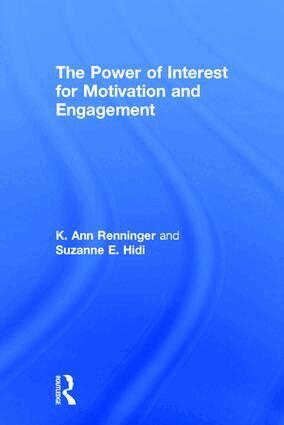
The Power of Interest for Motivation and Engagement describes the benefits of interest for people of all ages. Using case material as illustrations, the volume explains that interest can be supported to develop, and that the development of a person''s interest is always motivating and results in meaningful engagement. This volume is written for people who would like to know more about the power of their interests and how they could develop them: students who want to be engaged, educators and parents wondering about how to facilitate motivation, business people focusing on ways in which they could engage their employees and associates, policy-makers whose recognition of the power of interest may lead to changes resulting in a new focus supporting interest development for schools, out of school activity, industry, and business, and researchers studying learning and motivation. It draws on research in cognitive, developmental, educational, and social psychology, as well as in the learning sciences, and neuroscience to demonstrate that there is power for everyone in leveraging interest for motivation and engagement.
866 kr
Läs direkt efter köp
The Power of Interest for Motivation and Engagement describes the benefits of interest for people of all ages. Using case material as illustrations, the volume explains that interest can be supported to develop, and that the development of a person''s interest is always motivating and results in meaningful engagement. This volume is written for people who would like to know more about the power of their interests and how they could develop them: students who want to be engaged, educators and parents wondering about how to facilitate motivation, business people focusing on ways in which they could engage their employees and associates, policy-makers whose recognition of the power of interest may lead to changes resulting in a new focus supporting interest development for schools, out of school activity, industry, and business, and researchers studying learning and motivation. It draws on research in cognitive, developmental, educational, and social psychology, as well as in the learning sciences, and neuroscience to demonstrate that there is power for everyone in leveraging interest for motivation and engagement.
866 kr
Läs direkt efter köp
866 kr
Läs direkt efter köp