K. Hensel – författare
Visar alla böcker från författaren K. Hensel. Handla med fri frakt och snabb leverans.
9 produkter
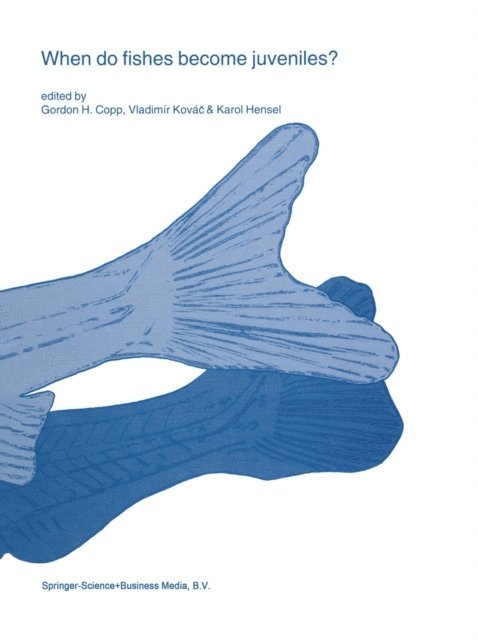
When do fishes become juveniles?
Av Gordon H. Copp, Karol Hensel m. fl.
Inbunden, 1999
1639 kr
Lägg i varukorg
Metamorphosis and the transition from larvae or embryos to juveniles in fishes are important in order to answer, for example, questions about: (1) life-history styles and their modifications in evolutionary perspective and within current environmental demands; (2) the development and application of …
Leopold Kronecker's Werke, Part 4
Av K. Hensel
Inbunden, 2010
908 kr
Lägg i varukorg
Part 4: Uber die algebraisch auflosbaren Gleichungen I; Note sur les fonctions semblables des racines d'une equation; Sur quelques fonctions symetriques et sur les nombres de Bernoulli; Uber die algebraisch auflosbaren Gleichungen II; Uber Gleichungen des siebenten Grades; Sur la resolution de …
Vorlesungen über Zahlentheorie
Erster Band: Erste bis Dreiunddreissigste Vorlesung
E-bok, 2013
702 kr
Lägg i varukorg
Vorlesungen über Zahlentheorie
Erster Band: Erste bis Dreiunddreissigste Vorlesung
Häftad, 2011
719 kr
Lägg i varukorg
When do fishes become juveniles?
Av G.H. Copp, Vladimír Kovác m. fl.
Häftad, 2010
1639 kr
Lägg i varukorg
Metamorphosis and the transition from larvae or embryos to juveniles in fishes are important in order to answer, for example, questions about: (1) life-history styles and their modifications in evolutionary perspective and within current environmental demands; (2) the development and application of …
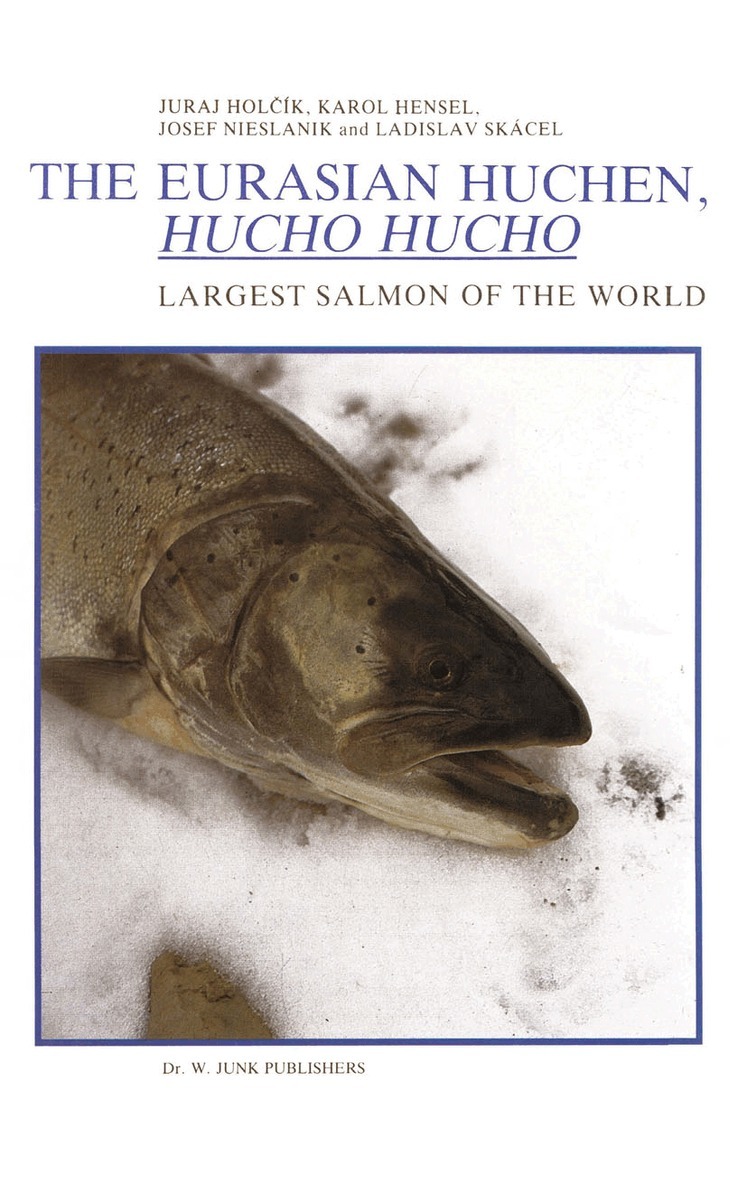
Eurasian Huchen, Hucho hucho
Largest Salmon of the World
Av J. Holcík, K. Hensel m. fl.
Inbunden, 1988
2510 kr
Lägg i varukorg
The need to gather available data on the Eurasien huchen - an important salmonid species - has been forced by a plain and, unfortunately, common fact of our times: the numbers and distribution of this biggest of salmonids have begun to decline and its range has begun to shrink. A seminar on the …
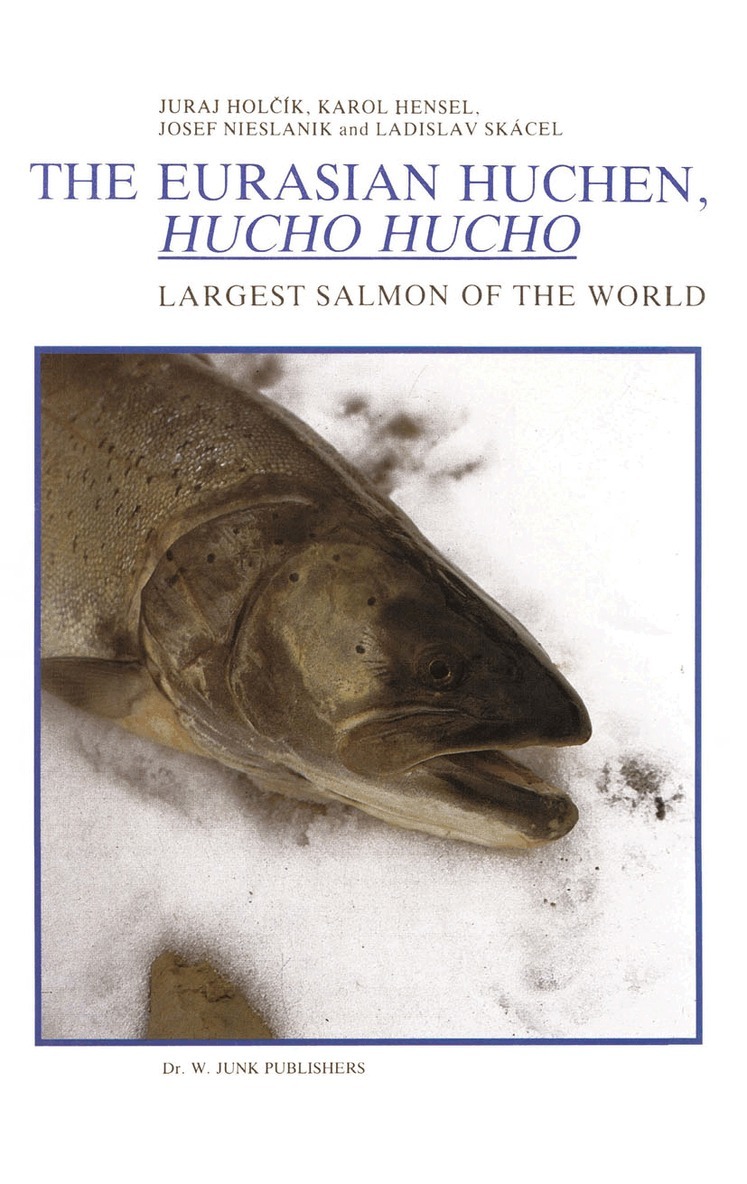
Eurasian Huchen, Hucho hucho
Largest Salmon of the World
Av L. Skacel, J. Nieslanik m. fl.
E-bok, 2012
2925 kr
Lägg i varukorg
The need to gather available data on the Eurasien huchen - an important salmonid species - has been forced by a plain and, unfortunately, common fact of our times: the numbers and distribution of this biggest of salmonids have begun to decline and its range has begun to shrink. A seminar on the …
Eurasian Huchen, Hucho hucho
Largest Salmon of the World
Av J. Holcík, K. Hensel m. fl.
Häftad, 2011
2183 kr
Lägg i varukorg
The need to gather available data on the Eurasien huchen - an important salmonid species - has been forced by a plain and, unfortunately, common fact of our times: the numbers and distribution of this biggest of salmonids have begun to decline and its range has begun to shrink. A seminar on the …
When do fishes become juveniles?
Av K. Hensel, Vladimir Kovac m. fl.
E-bok, 2013
2111 kr
Lägg i varukorg
Metamorphosis and the transition from larvae or embryos to juveniles in fishes are important in order to answer, for example, questions about: (1) life-history styles and their modifications in evolutionary perspective and within current environmental demands; (2) the development and application of …