K Narayanan – författare
Visar alla böcker från författaren K Narayanan. Handla med fri frakt och snabb leverans.
20 produkter
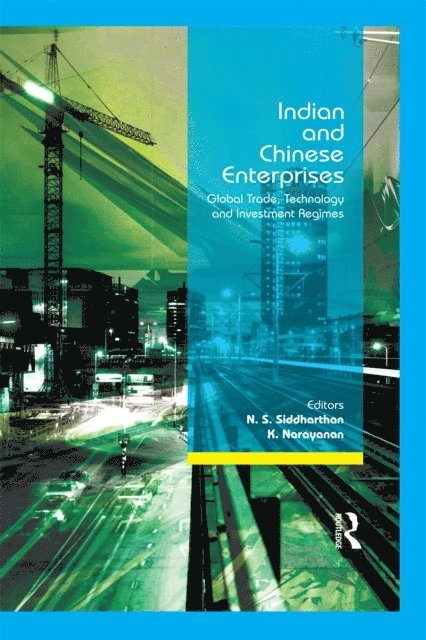
Indian and Chinese Enterprises
Global Trade, Technology and Investment Regimes
Av N S Siddharthan, K Narayanan
Inbunden, 2009
1027 kr
Lägg i varukorg
This book compares India and China, important players in industries like IT, automobiles, electronics, bio-technology and pharmaceuticals. It discusses the globalisation of these enterprises, focussing on e-commerce, equity and non-equity alliances, offshore investment, etc.
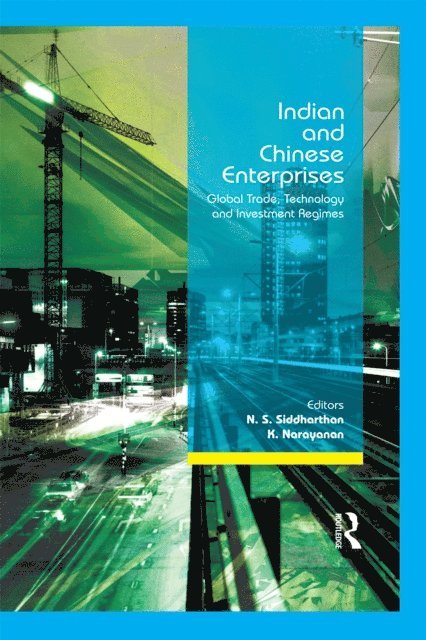
Indian and Chinese Enterprises
Global Trade, Technology and Investment Regimes
Av K Narayanan, N S Siddharthan
E-bok, 2020
454 kr
Lägg i varukorg
This book compares India and China, important players in industries like IT, automobiles, electronics, bio-technology and pharmaceuticals. It discusses the globalisation of these enterprises, focussing on e-commerce, equity and non-equity alliances, offshore investment etc.
Indian and Chinese Enterprises
Global Trade, Technology and Investment Regimes
Av K Narayanan, N S Siddharthan
E-bok, 2020
454 kr
Lägg i varukorg
This book compares India and China, important players in industries like IT, automobiles, electronics, bio-technology and pharmaceuticals. It discusses the globalisation of these enterprises, focussing on e-commerce, equity and non-equity alliances, offshore investment etc.
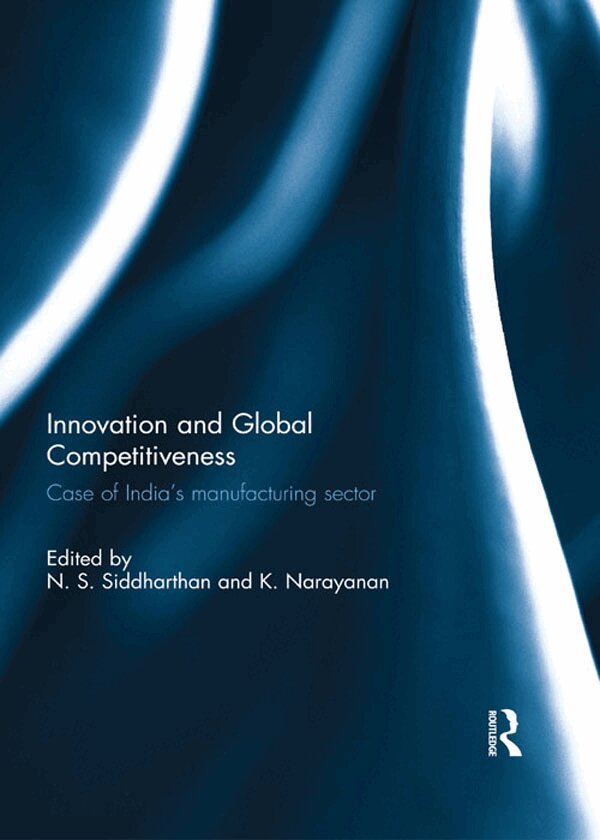
Innovation and Global Competitiveness
Case of India's Manufacturing Sector
Av N.S. Siddharthan, K. Narayanan
Häftad, 2018
847 kr
Lägg i varukorg
In the post-liberalization period, India has slowly but steadily tried to foster innovation to improve competitive efficiency of Indian manufacturing and thus boost global competitiveness of the industrial sector. Foreign direct investment was looked upon as a major source of technology paradigm …
Indian and Chinese Enterprises
Global Trade, Technology and Investment Regimes
Av N S Siddharthan, K Narayanan
Häftad, 2018
397 kr
Lägg i varukorg
This book compares India and China, important players in industries like IT, automobiles, electronics, bio-technology and pharmaceuticals. It discusses the globalisation of these enterprises, focussing on e-commerce, equity and non-equity alliances, offshore investment etc.
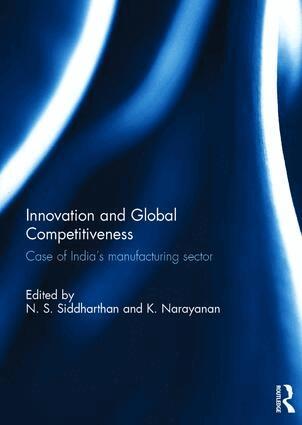
Innovation and Global Competitiveness
Case of India's Manufacturing Sector
Av N.S. Siddharthan, K. Narayanan
Inbunden, 2015
2586 kr
Lägg i varukorg
In the post-liberalization period, India has slowly but steadily tried to foster innovation to improve competitive efficiency of Indian manufacturing and thus boost global competitiveness of the industrial sector. Foreign direct investment was looked upon as a major source of technology paradigm …
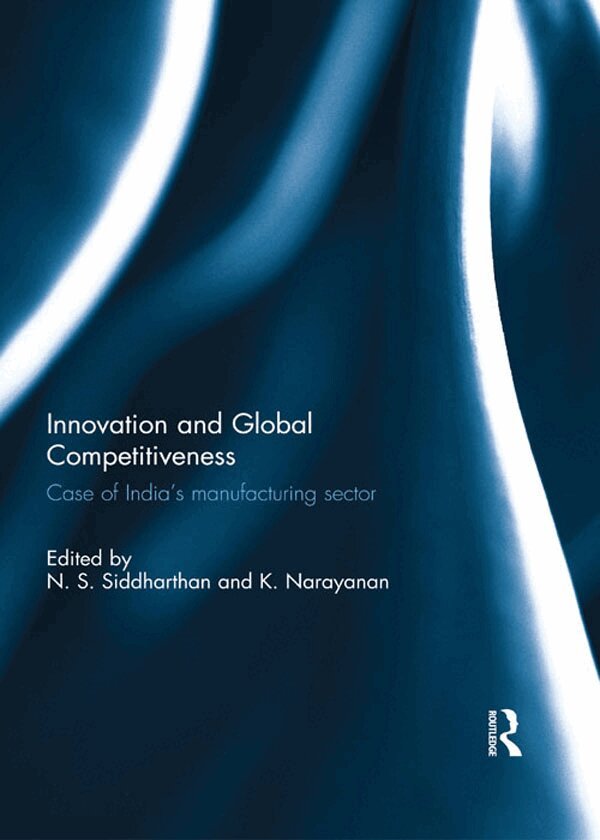
Innovation and Global Competitiveness
Case of India's Manufacturing Sector
Av N.S. Siddharthan, K. Narayanan
E-bok, 2017
999 kr
Lägg i varukorg
In the post-liberalization period, India has slowly but steadily tried to foster innovation to improve competitive efficiency of Indian manufacturing and thus boost global competitiveness of the industrial sector. Foreign direct investment was looked upon as a major source of technology paradigm …
Innovation and Global Competitiveness
Case of India's Manufacturing Sector
Av N.S. Siddharthan, K. Narayanan
E-bok, 2017
999 kr
Lägg i varukorg
In the post-liberalization period, India has slowly but steadily tried to foster innovation to improve competitive efficiency of Indian manufacturing and thus boost global competitiveness of the industrial sector. Foreign direct investment was looked upon as a major source of technology paradigm …
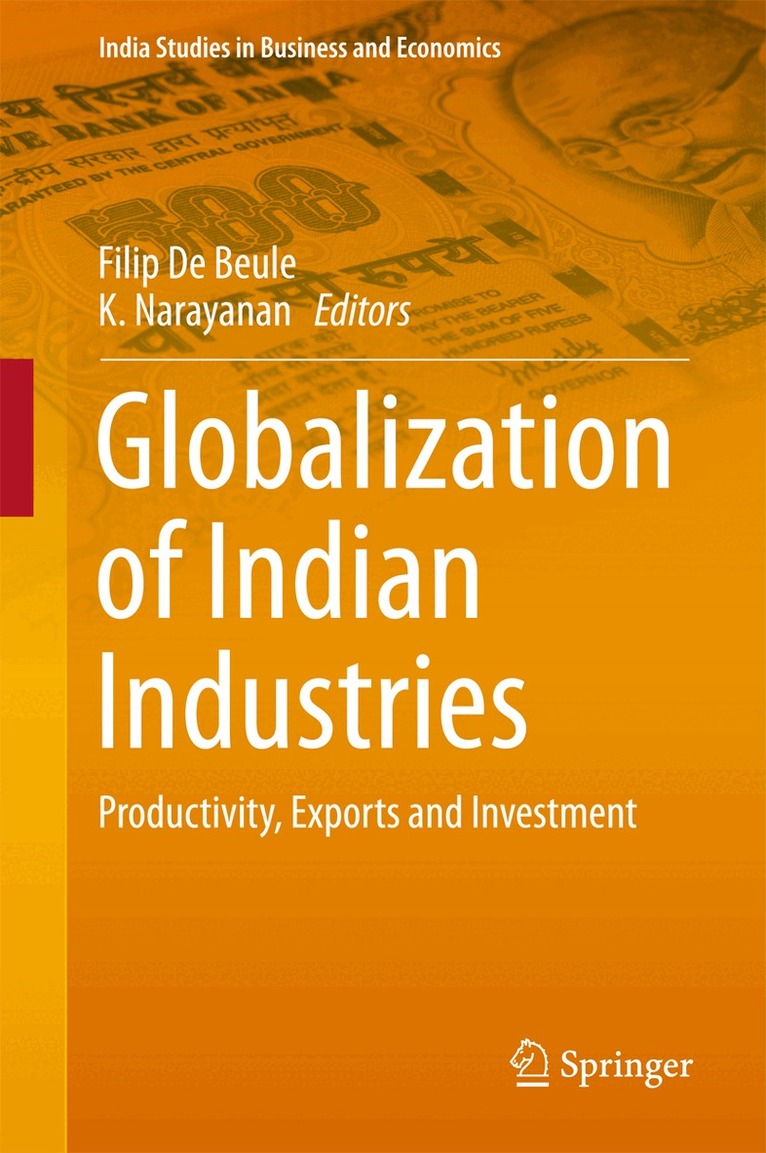
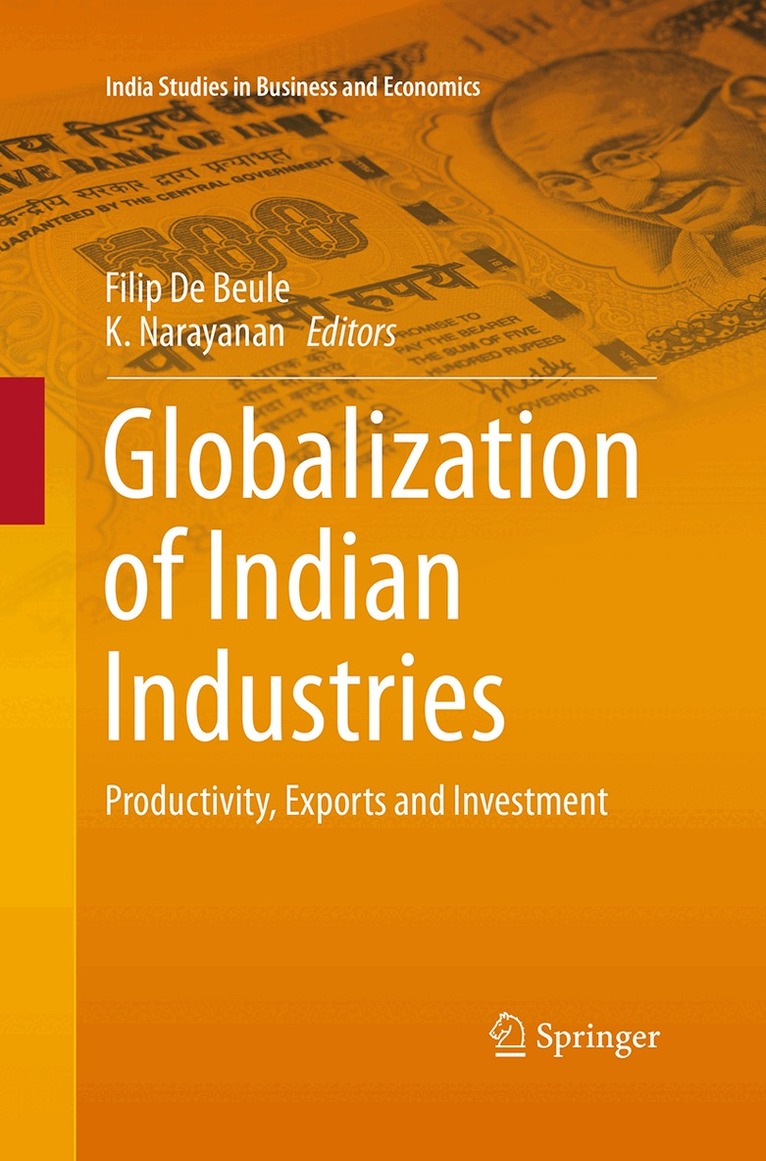
Globalization of Indian Industries
Productivity, Exports and Investment
Av Filip De Beule, K. Narayanan
Inbunden, 2015
1130 kr
Lägg i varukorg
This book focuses on Indianmanufacturing industries and analyses the impact of inward foreign directinvestment on the domestic sector on the one hand, and exports and outwardforeign direct investment by Indian companies on the other. Although theemphasis is mostly general, specific industries, such …
Globalization of Indian Industries
Productivity, Exports and Investment
Av K. Narayanan, Filip De Beule
E-bok, 2015
1470 kr
Lägg i varukorg
This book focuses on Indianmanufacturing industries and analyses the impact of inward foreign directinvestment on the domestic sector on the one hand, and exports and outwardforeign direct investment by Indian companies on the other. Although theemphasis is mostly general, specific industries, such …
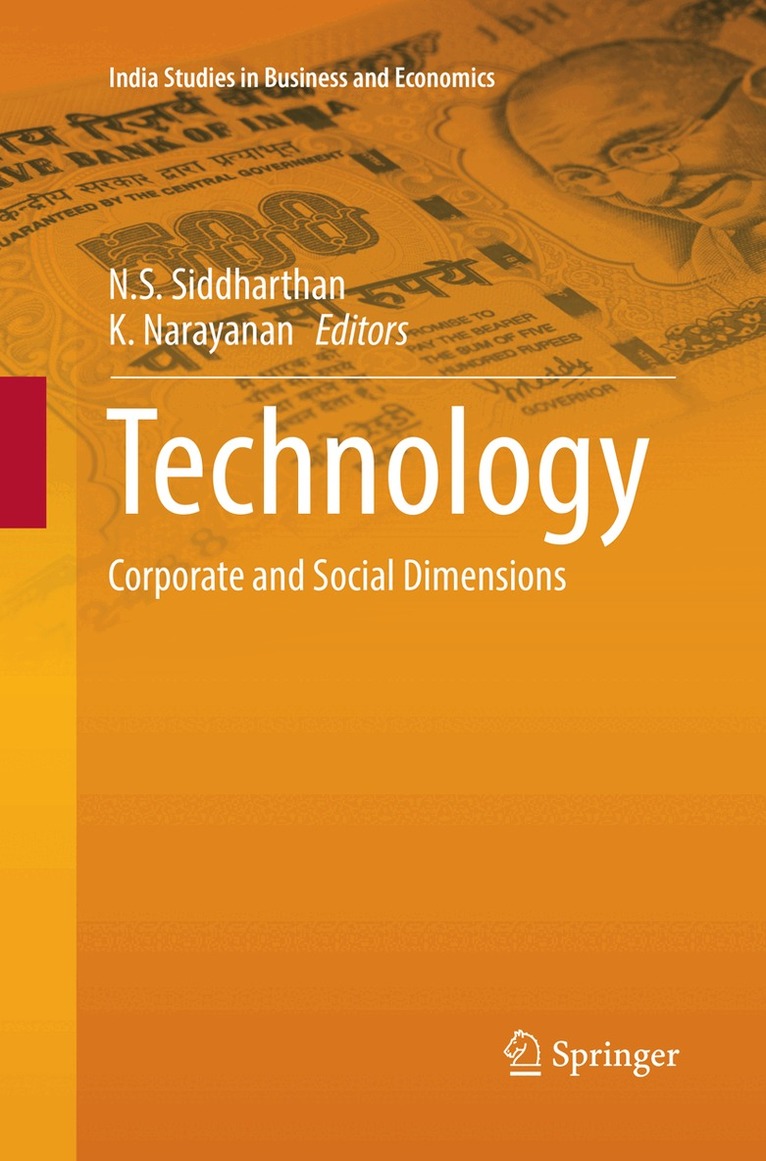
Technology
Corporate and Social Dimensions
Av N.S. Siddharthan, K. Narayanan
Inbunden, 2016
1098 kr
Lägg i varukorg
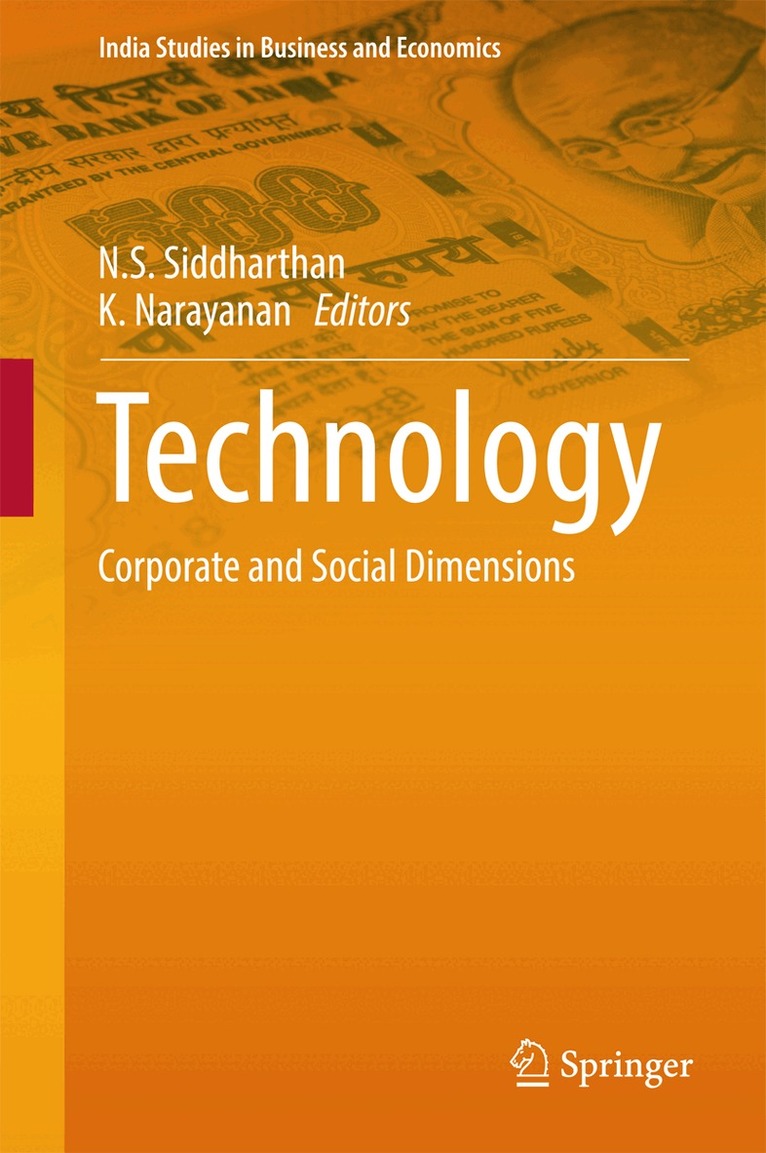
This volume deals with the role and impact of technology on the economy and society. The papers on corporate dimensions address the impact of patents, determinants of innovative activities, differential behaviour of multinationals, industrial groups and other firms with regard to innovations and …
Technology
Corporate and Social Dimensions
Av K. Narayanan, N.S. Siddharthan
E-bok, 2016
1459 kr
Lägg i varukorg
This volume deals with the role and impact of technology on the economy and society. The papers on corporate dimensions address the impact of patents, determinants of innovative activities, differential behaviour of multinationals, industrial groups and other firms with regard to innovations and …
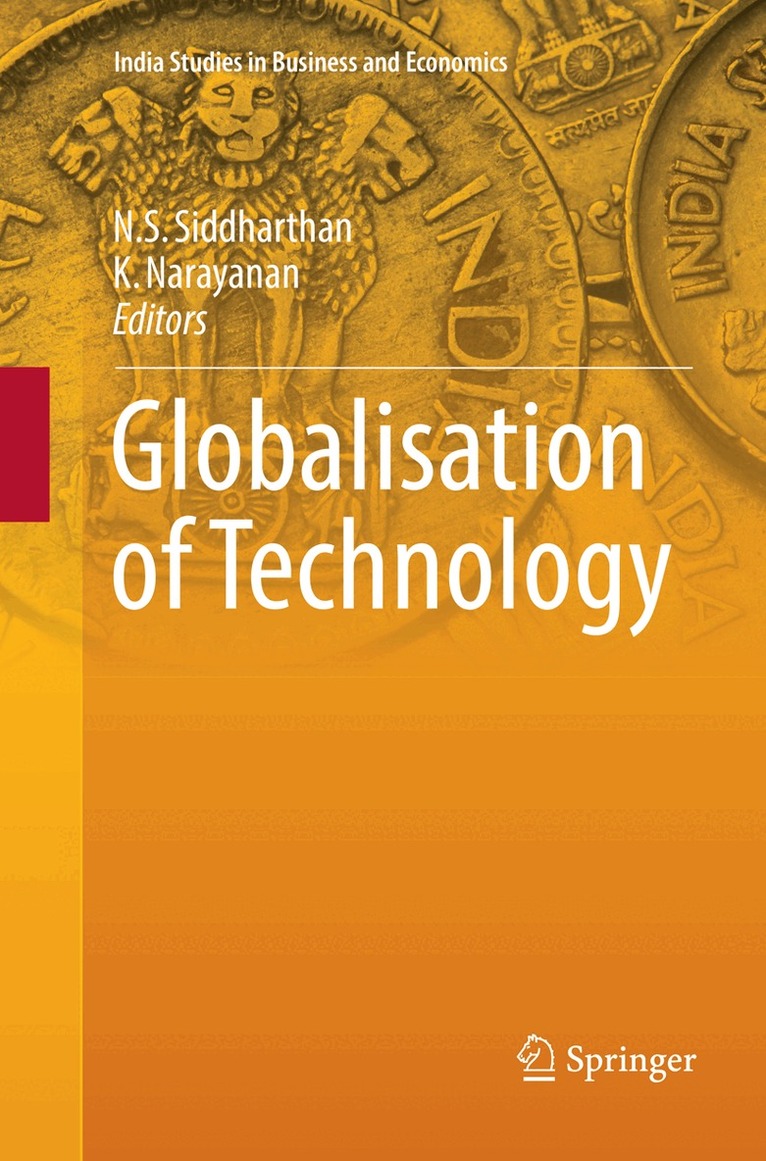
Globalisation of Technology
Av N.S. Siddharthan, K. Narayanan
Inbunden, 2017
989 kr
Lägg i varukorg
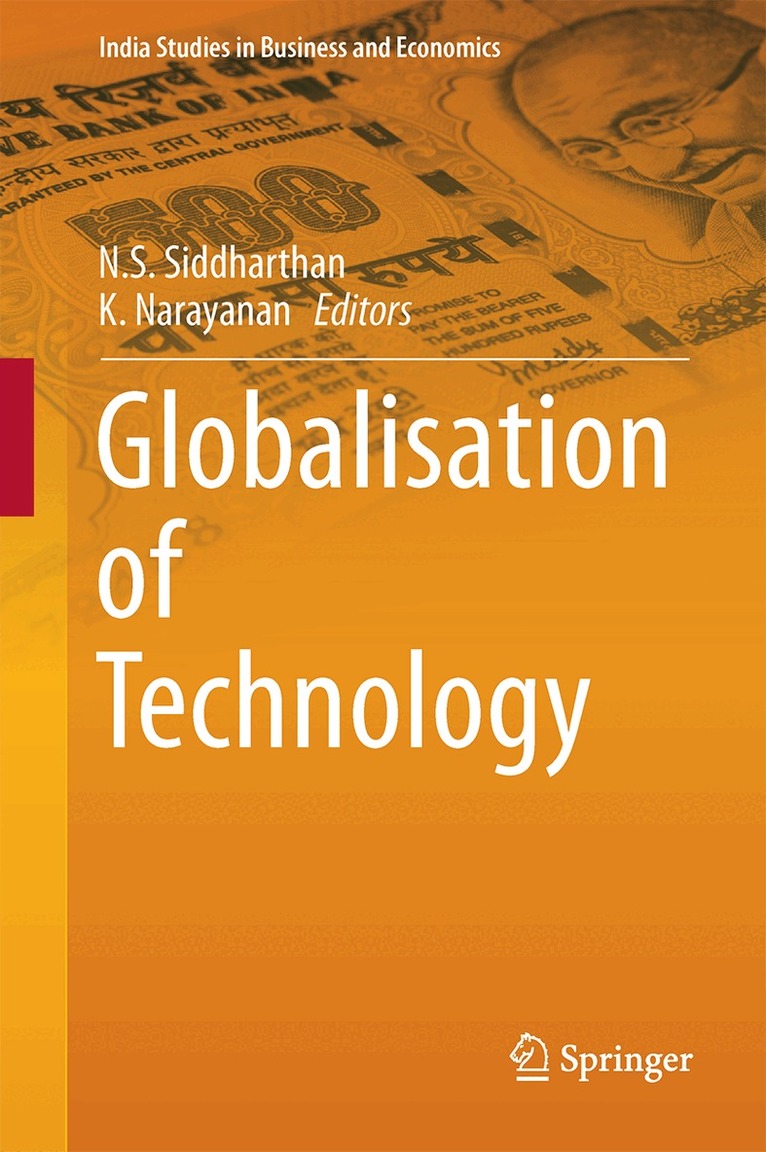
This book examines the globalisation of technology and innovation in the modern world. Enterprises globalise in several ways, e.g. by exporting, sourcing components and materials from other countries (B2B commerce), outsourcing, licensing their technologies and production, and foreign direct …
Globalisation of Technology
Av K. Narayanan, N.S. Siddharthan
E-bok, 2017
1335 kr
Lägg i varukorg
This book examines the globalisation of technology and innovation in the modern world. Enterprises globalise in several ways, e.g. by exporting, sourcing components and materials from other countries (B2B commerce), outsourcing, licensing their technologies and production, and foreign direct …
Technology
Corporate and Social Dimensions
Av N.S. Siddharthan, K. Narayanan
Häftad, 2018
1098 kr
Lägg i varukorg
This volume deals with the role and impact of technology on the economy and society. The papers on corporate dimensions address the impact of patents, determinants of innovative activities, differential behaviour of multinationals, industrial groups and other firms with regard to innovations and …
Globalisation of Technology
Av N.S. Siddharthan, K. Narayanan
Häftad, 2019
1018 kr
Lägg i varukorg
This book examines the globalisation of technology and innovation in the modern world. Enterprises globalise in several ways, e.g. by exporting, sourcing components and materials from other countries (B2B commerce), outsourcing, licensing their technologies and production, and foreign direct …
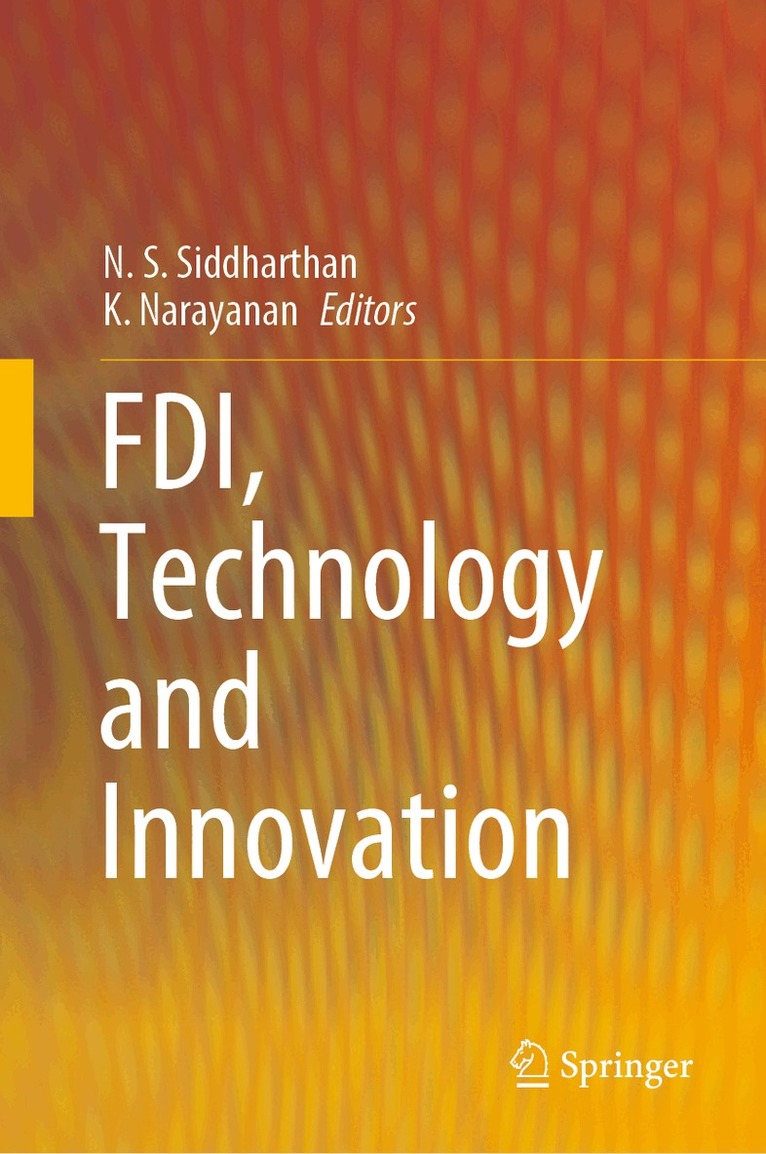
FDI, Technology and Innovation
Av N. S. Siddharthan, K. Narayanan
Inbunden, 2020
1130 kr
Lägg i varukorg
This book concentrates on major changes that are now taking place in the fields of technology, foreign direct investment (FDI), trade and development strategies, with a particular focus on India. Arguably, these changes are likely to differ from those that the world has experienced over the past …
FDI, Technology and Innovation
Av K. Narayanan, N. S. Siddharthan
E-bok, 2020
1502 kr
Lägg i varukorg
This book concentrates on major changes that are now taking place in the fields of technology, foreign direct investment (FDI), trade and development strategies, with a particular focus on India. Arguably, these changes are likely to differ from those that the world has experienced over the past …
FDI, Technology and Innovation
Av N. S. Siddharthan, K. Narayanan
Häftad, 2021
1130 kr
Lägg i varukorg
This book concentrates on major changes that are now taking place in the fields of technology, foreign direct investment (FDI), trade and development strategies, with a particular focus on India. Arguably, these changes are likely to differ from those that the world has experienced over the past …
Globalization of Indian Industries
Productivity, Exports and Investment
Av Filip De Beule, K. Narayanan
Häftad, 2015
1525 kr
Tillfälligt slut
This book focuses on Indianmanufacturing industries and analyses the impact of inward foreign directinvestment on the domestic sector on the one hand, and exports and outwardforeign direct investment by Indian companies on the other. Although theemphasis is mostly general, specific industries, such …