K. R. Dark – författare
Visar alla böcker från författaren K. R. Dark. Handla med fri frakt och snabb leverans.
3 produkter
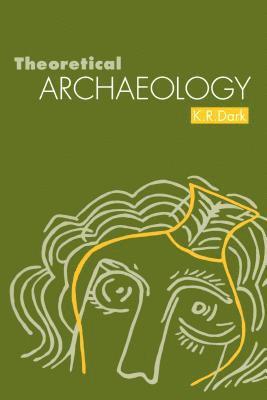
Theoretical Archaeology
Av K. R. Dark
Häftad, 1995
515 kr
Lägg i varukorg
Archaeology uses material data to study the past, but material remains are unable to speak for themselves. They need to be interpreted. All archaeology depends upon the logical framework used to understand data: the theory which underlies interpretation. Yet archaeological theory often seems …
Waves of Time
Long-Term Change and International Relations
Av K. R. Dark
Inbunden, 2016
1697 kr
Lägg i varukorg
Since the end of the Cold War, analysts of international politics have given much greater attention to issues of change. It has become increasingly clear to specialists from many fields that any understanding of large-scale political change must encompass far longer timescales than has been usual …
Waves of Time
Long-Term Change and International Relations
Av K. R. Dark
E-bok, 2016
1830 kr
Lägg i varukorg
Since the end of the Cold War, analysts of international politics have given much greater attention to issues of change. It has become increasingly clear to specialists from many fields that any understanding of large-scale political change must encompass far longer timescales than has been usual …