K. Scott Smith – författare
Visar alla böcker från författaren K. Scott Smith. Handla med fri frakt och snabb leverans.
11 produkter
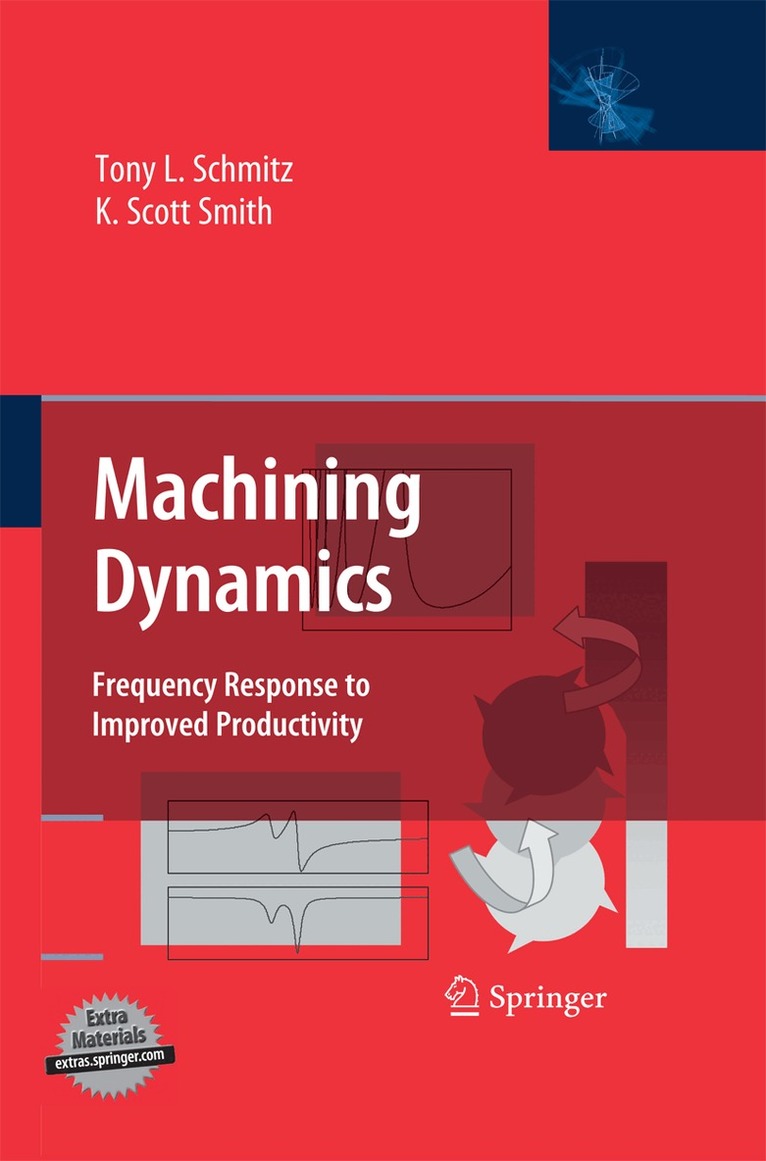
Machining Dynamics
Frequency Response to Improved Productivity
Av K. Scott Smith, Tony L. Schmitz
E-bok, 2008
1906 kr
Lägg i varukorg
"Machining dynamics: Frequency response to improved productivity" will train engineers and students in the practical application of machining dynamics, with a particular focus on milling. The book is arranged such that the steps required to improve machining productivity through chatter avoidance …
Mechanical Vibrations
Modeling and Measurement
Av Tony L. Schmitz, K. Scott Smith
Inbunden, 2011
1093 kr
Lägg i varukorg
Mechanical Vibrations: Modeling and Measurement describes essential concepts in vibration analysis of mechanical systems. It incorporates the required mathematics, experimental techniques, fundamentals of model analysis, and beam theory into a unified framework that is written to be accessible to …
Mechanical Vibrations
Modeling and Measurement
Av K. Scott Smith, Tony L. Schmitz
E-bok, 2011
897 kr
Lägg i varukorg
Mechanical Vibrations: Modeling and Measurement describes essential concepts in vibration analysis of mechanical systems. It incorporates the required mathematics, experimental techniques, fundamentals of model analysis, and beam theory into a unified framework that is written to be accessible to …
Mechanical Vibrations
Modeling and Measurement
Av Tony L. Schmitz, K. Scott Smith
Häftad, 2014
713 kr
Lägg i varukorg
Mechanical Vibrations: Modeling and Measurement describes essential concepts in vibration analysis of mechanical systems. It incorporates the required mathematics, experimental techniques, fundamentals of model analysis, and beam theory into a unified framework that is written to be accessible to …
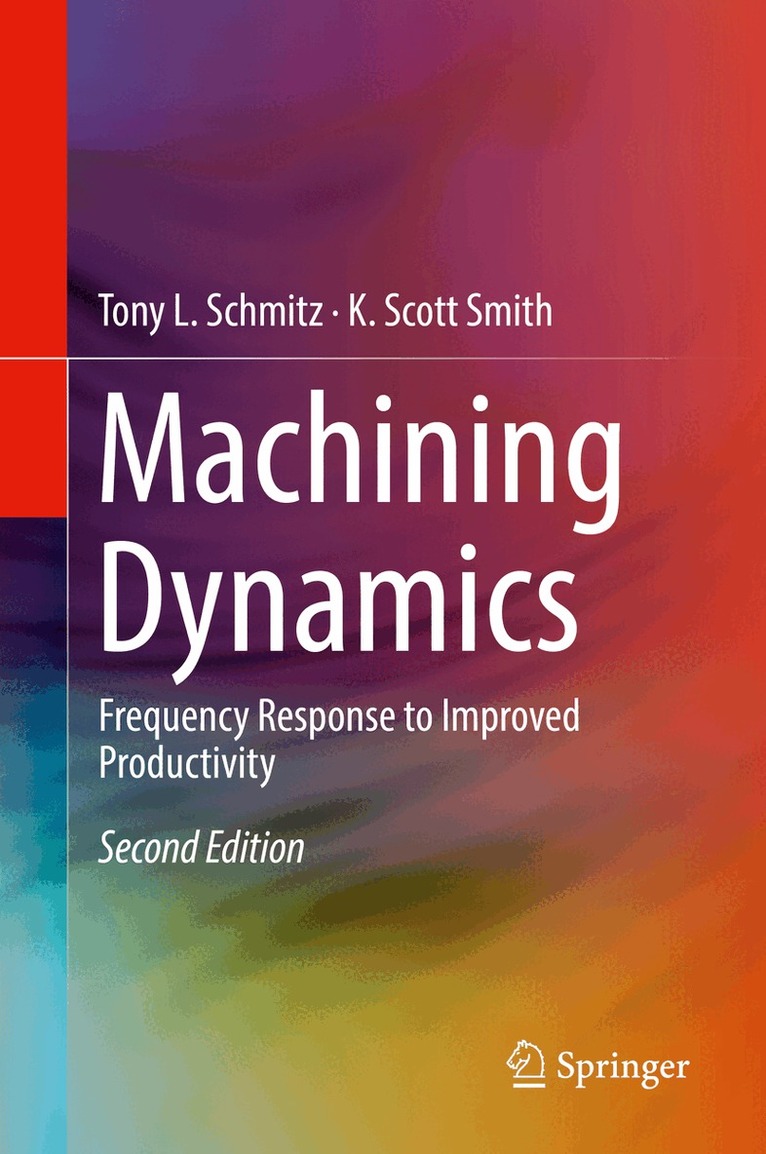
Machining Dynamics
Frequency Response to Improved Productivity
Av Tony L. Schmitz, K. Scott Smith
Häftad, 2019
1391 kr
Lägg i varukorg
This book trains engineers and students in the practical application of machining dynamics, with a particular focus on milling. The book walks readers through the steps required to improve machining productivity through chatter avoidance and reduced surface location error, and covers in detail …
Mechanical Vibrations
Modeling and Measurement
Av Tony L. Schmitz, K. Scott Smith
Inbunden, 2020
1093 kr
Lägg i varukorg
Now in an updated second edition, this classroom-tested textbook describes essential concepts in vibration analysis of mechanical systems.The second edition includes a new chapter on finite element modeling and an updated section on dynamic vibration absorbers, as well as new student exercises in …
Mechanical Vibrations
Modeling and Measurement
Av K. Scott Smith, Tony L. Schmitz
E-bok, 2020
957 kr
Lägg i varukorg
Now in an updated second edition, this classroom-tested textbook describes essential concepts in vibration analysis of mechanical systems.The second edition includes a new chapter on finite element modeling and an updated section on dynamic vibration absorbers, as well as new student exercises in …
Mechanical Vibrations
Modeling and Measurement
Av Tony L. Schmitz, K. Scott Smith
Häftad, 2021
767 kr
Lägg i varukorg
Now in an updated second edition, this classroom-tested textbook describes essential concepts in vibration analysis of mechanical systems.The second edition includes a new chapter on finite element modeling and an updated section on dynamic vibration absorbers, as well as new student exercises in …
Machining Dynamics
Frequency Response to Improved Productivity
Av Tony L. Schmitz, K. Scott Smith
Inbunden, 2018
1853 kr
Lägg i varukorg
This book trains engineers and students in the practical application of machining dynamics, with a particular focus on milling. The book walks readers through the steps required to improve machining productivity through chatter avoidance and reduced surface location error, and covers in detail …
Machining Dynamics
Frequency Response to Improved Productivity
Av K. Scott Smith, Tony L. Schmitz
E-bok, 2018
1746 kr
Lägg i varukorg
This book trains engineers and students in the practical application of machining dynamics, with a particular focus on milling. The book walks readers through the steps required to improve machining productivity through chatter avoidance and reduced surface location error, and covers in detail …
Machining Dynamics
Frequency Response to Improved Productivity
Av Tony L. Schmitz, K. Scott Smith
Häftad, 2014
1970 kr
Tillfälligt slut
"Machining dynamics: Frequency response to improved productivity" will train engineers and students in the practical application of machining dynamics, with a particular focus on milling. The book is arranged such that the steps required to improve machining productivity through chatter avoidance …