K. Young – författare
Visar alla böcker från författaren K. Young. Handla med fri frakt och snabb leverans.
7 produkter
7 produkter
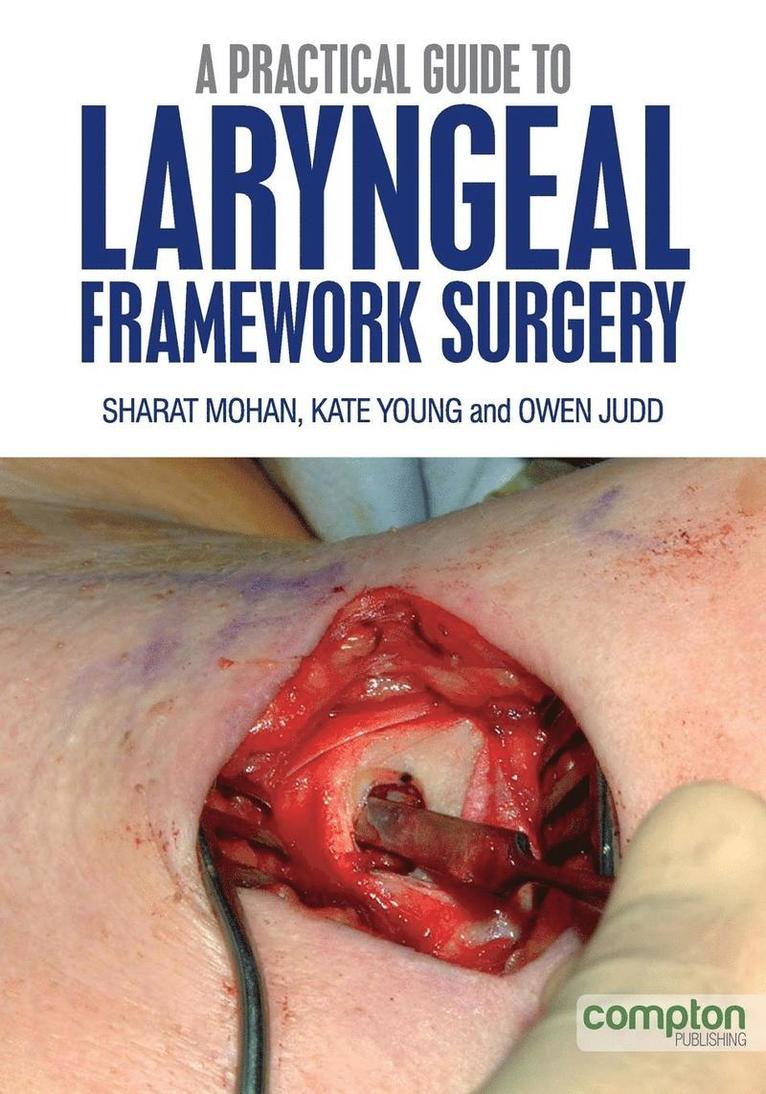
Häftad, Engelska, 2017
1 808 kr
Skickas inom 5-8 vardagar
Inbunden, Engelska, 1986
1 622 kr
Skickas inom 10-15 vardagar
Beginning is the hardest ITPment, not because openers are all that scarce but because you're blowing into, cracking a universe. l Maurice Natanson q;>enings are already directed toward closings. The first question in presenting a body of work is where to cut in. This is an especially difficult question since the cut-in provides a perspecti ve on what follows. A cut is an angle of entry. Wherever I enter, from there, a realm unfolds itself. In that sense, my angle of entry is my point of view. A realm cut into has an orientation. It evidences a hierarchy of importance, relevance, accessability, value, or logic. Its content is no longer neutral and equivalent. From my perspective, the realm is not only differentiated in sUbstance but differential in significance. There is a relation between angles and attitudes. Where I look from is tied up with how I see. The first cut opens out into a frame of reference. What count as lines of evidence in that realm materialize along with its background expectancies, its assumptions, concentrations, and confusions, its coslTPlogy, quirks, and enchantments. Hence, once I am corrunitted to a perspective, I am implicated in a methodology, one possessed of puzzles of a certain shape, ITPving toward solutions wi thin its orthodoxy. Openings are directed toward closings. Another cut would open onto another realm. The realm of events I cut into is a Taleworld, inhabited by characters acting in their own space and time.
Häftad, Engelska, 1986
1 622 kr
Skickas inom 10-15 vardagar
Beginning is the hardest ITPment, not because openers are all that scarce but because you're blowing into, cracking a universe. l Maurice Natanson q;>enings are already directed toward closings. The first question in presenting a body of work is where to cut in. This is an especially difficult question since the cut-in provides a perspecti ve on what follows. A cut is an angle of entry. Wherever I enter, from there, a realm unfolds itself. In that sense, my angle of entry is my point of view. A realm cut into has an orientation. It evidences a hierarchy of importance, relevance, accessability, value, or logic. Its content is no longer neutral and equivalent. From my perspective, the realm is not only differentiated in sUbstance but differential in significance. There is a relation between angles and attitudes. Where I look from is tied up with how I see. The first cut opens out into a frame of reference. What count as lines of evidence in that realm materialize along with its background expectancies, its assumptions, concentrations, and confusions, its coslTPlogy, quirks, and enchantments. Hence, once I am corrunitted to a perspective, I am implicated in a methodology, one possessed of puzzles of a certain shape, ITPving toward solutions wi thin its orthodoxy. Openings are directed toward closings. Another cut would open onto another realm. The realm of events I cut into is a Taleworld, inhabited by characters acting in their own space and time.
E-bok
PDF, Engelska, 20122 049 kr
Läs direkt efter köp
Beginning is the hardest ITPment, not because openers are all that scarce but because you''re blowing into, cracking a universe. l Maurice Natanson q;>enings are already directed toward closings. The first question in presenting a body of work is where to cut in. This is an especially difficult question since the cut-in provides a perspecti ve on what follows. A cut is an angle of entry. Wherever I enter, from there, a realm unfolds itself. In that sense, my angle of entry is my point of view. A realm cut into has an orientation. It evidences a hierarchy of importance, relevance, accessability, value, or logic. Its content is no longer neutral and equivalent. From my perspective, the realm is not only differentiated in sUbstance but differential in significance. There is a relation between angles and attitudes. Where I look from is tied up with how I see. The first cut opens out into a frame of reference. What count as lines of evidence in that realm materialize along with its background expectancies, its assumptions, concentrations, and confusions, its coslTPlogy, quirks, and enchantments. Hence, once I am corrunitted to a perspective, I am implicated in a methodology, one possessed of puzzles of a certain shape, ITPving toward solutions wi thin its orthodoxy. Openings are directed toward closings. Another cut would open onto another realm. The realm of events I cut into is a Taleworld, inhabited by characters acting in their own space and time.
E-bok
PDF, Engelska, 2012734 kr
Läs direkt efter köp
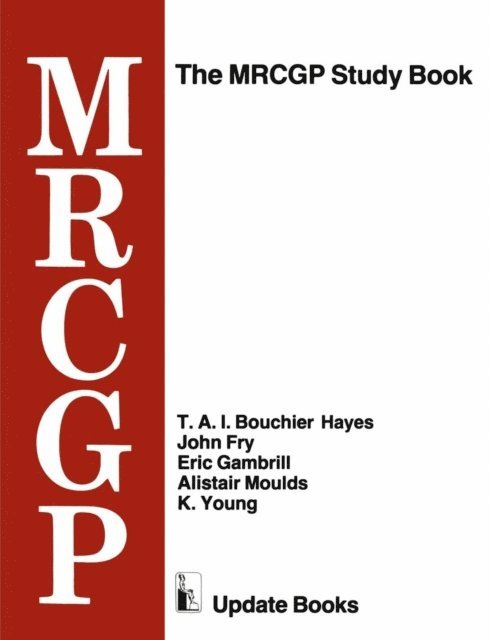
The Membership examination of the Royal College of General Practitioners has evolved and matured as a seal and a test on completion of vocational training. More than 1000 candidates are taking the examination each year and an increasing majority are trainees who have completed their three year training period. The whole concept and philosophy of the MRCGP has been questioned by critical cynics who refuse to accept general practice as a field of medical practice worthy of recognition as a specialty with its own core of know ledge, skills and expertise and with its own special epidemiology, pathology, clinical presentations and management. These cynical critics are being answered by the growth of the examination and its recognition within the profession as an important and necessary goal to be achieved. The MRCGP exam has arrived, it is here to stay and it will continue to grow and evolve. The exam is no easy obstacle to negotiate. It has a regular failure rate of I in 3 and it requires special preparation and study of its examinees if they are to understand its aims, contents and methods. It must not be assumed that even the brightest trainee can walk off the street, enter the examin ation hall and be confident of passing. It requires a few months of careful and guided preparation.
Häftad, Engelska, 2012
562 kr
Skickas inom 10-15 vardagar
The Membership examination of the Royal College of General Practitioners has evolved and matured as a seal and a test on completion of vocational training. More than 1000 candidates are taking the examination each year and an increasing majority are trainees who have completed their three year training period. The whole concept and philosophy of the MRCGP has been questioned by critical cynics who refuse to accept general practice as a field of medical practice worthy of recognition as a specialty with its own core of know ledge, skills and expertise and with its own special epidemiology, pathology, clinical presentations and management. These cynical critics are being answered by the growth of the examination and its recognition within the profession as an important and necessary goal to be achieved. The MRCGP exam has arrived, it is here to stay and it will continue to grow and evolve. The exam is no easy obstacle to negotiate. It has a regular failure rate of I in 3 and it requires special preparation and study of its examinees if they are to understand its aims, contents and methods. It must not be assumed that even the brightest trainee can walk off the street, enter the examin ation hall and be confident of passing. It requires a few months of careful and guided preparation.
Häftad, Engelska, 2026
138 kr
Skickas inom 5-8 vardagar