Kabba E. Colley - Böcker
Visar alla böcker från författaren Kabba E. Colley. Handla med fri frakt och snabb leverans.
3 produkter
3 produkter
Del 27 - Black Studies and Critical Thinking
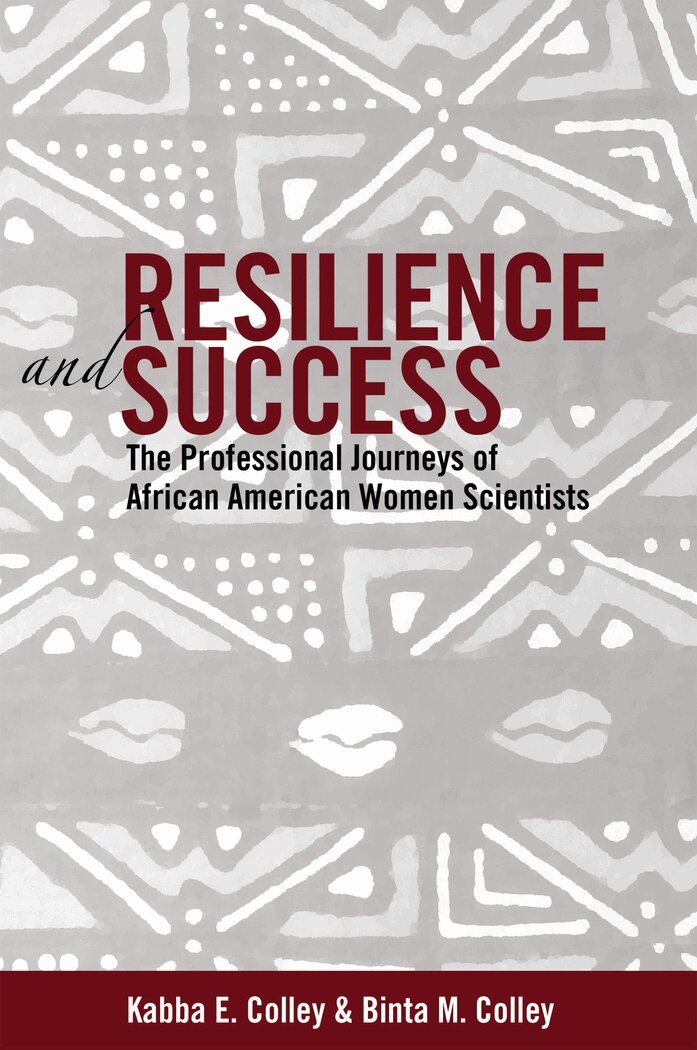
Resilience and Success
The Professional Journeys of African American Women Scientists
Inbunden, Engelska, 2013
1 250 kr
Tillfälligt slut
Resilience and Success charts the education and career trajectories of African American women scientists and sheds light as to why young African American females drop off the science map in high school. It constructs a story about the map, which includes exits, entrances and turns. This phenomenon was influenced by cultural and socio-economic issues; class, race relations and racial biases; geography and most important, opportunities and serendipity. None of the roads were smooth as these African American women followed in the footsteps of those who had gone before them. It is critical for young African American female students to know that they have a passion and sense of curiosity befitting a future scientist. The stories of these women serve as a model for the way families, teachers, counselors, community activists and policy makers can participate in developing a new generation of African American women scientists.
510 kr
Skickas inom 5-8 vardagar
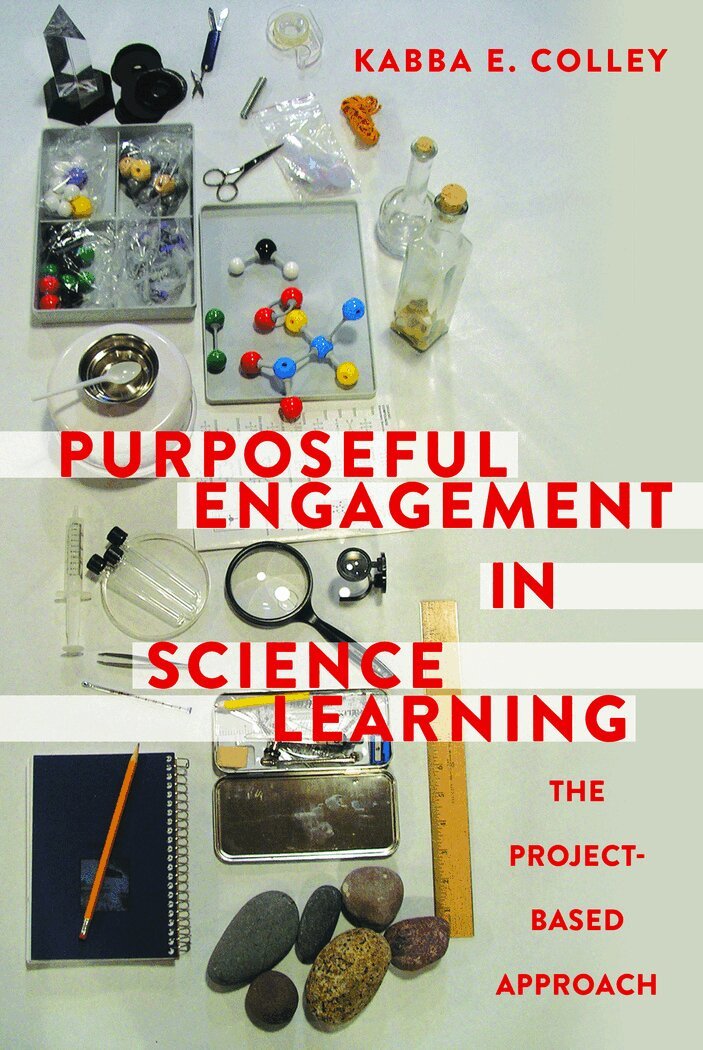
Purposeful Engagement in Science Learning provides a blueprint of how teachers and their students can engage in science learning that mirrors the way science is practiced. It is written for K–16 science educators as well as those in the informal science education sector. The framework for this book is based on the project cycle, which is consistent with the process of scientific inquiry. Chapter One reviews the historical, philosophical and psychological foundations of project-based scientific inquiry (PBSI) and the evolution of this approach in the U.S. Chapter Two examines and synthesizes the research on PBSI. Chapter Three explores how to plan PBSI and offers practical strategies for veteran and novice science educators alike. Chapter Four presents different strategies for implementing PBSI with particular emphasis on factors to consider, including the roles and responsibilities of teachers and students. Chapter Five provides selected case histories of successful PBSI. Chapter Six deals with the different methods of evaluating and assessing students’ learning in PBSI environments and provides examples of performance-based assessments suitable for evaluating students’ learning. Chapter Seven examines the relationship between PBSI, after-school programs and community involvement. Finally, Chapter Eight identifies and describes relevant resources that could be used to support and enhance PBSI. This book is organized in a way that allows science educators to address the Next Generation Science Standards (NGSS), while at the same time, helping students learn science in ways that are relevant to their lives.
1 041 kr
Skickas inom 5-8 vardagar
Purposeful Engagement in Science Learning provides a blueprint of how teachers and their students can engage in science learning that mirrors the way science is practiced. It is written for K–16 science educators as well as those in the informal science education sector. The framework for this book is based on the project cycle, which is consistent with the process of scientific inquiry. Chapter One reviews the historical, philosophical and psychological foundations of project-based scientific inquiry (PBSI) and the evolution of this approach in the U.S. Chapter Two examines and synthesizes the research on PBSI. Chapter Three explores how to plan PBSI and offers practical strategies for veteran and novice science educators alike. Chapter Four presents different strategies for implementing PBSI with particular emphasis on factors to consider, including the roles and responsibilities of teachers and students. Chapter Five provides selected case histories of successful PBSI. Chapter Six deals with the different methods of evaluating and assessing students’ learning in PBSI environments and provides examples of performance-based assessments suitable for evaluating students’ learning. Chapter Seven examines the relationship between PBSI, after-school programs and community involvement. Finally, Chapter Eight identifies and describes relevant resources that could be used to support and enhance PBSI. This book is organized in a way that allows science educators to address the Next Generation Science Standards (NGSS), while at the same time, helping students learn science in ways that are relevant to their lives.